How to manage change energy in engineering work
TL;DR
Change energy is a personal spectrum that ranges from low to high. Engineers often tolerate less change in codebases, while creators thrive on frequent change and novelty. Understanding where you sit on the spectrum helps avoid burnout and guides tool and workflow choices for sustainable productivity.
Transcript
This is going to be an interesting one. I have no idea how we're going to make this into a video or if we even will. But there's a thing I think a lot about that's changed my approach to building things entirely. I call this change energy. I think every person exists on a spectrum of how much change they like to deal with. So the top will say this ... Read More
Key Insights
- Change energy is a personal spectrum of how much change a person tolerates in life and work.
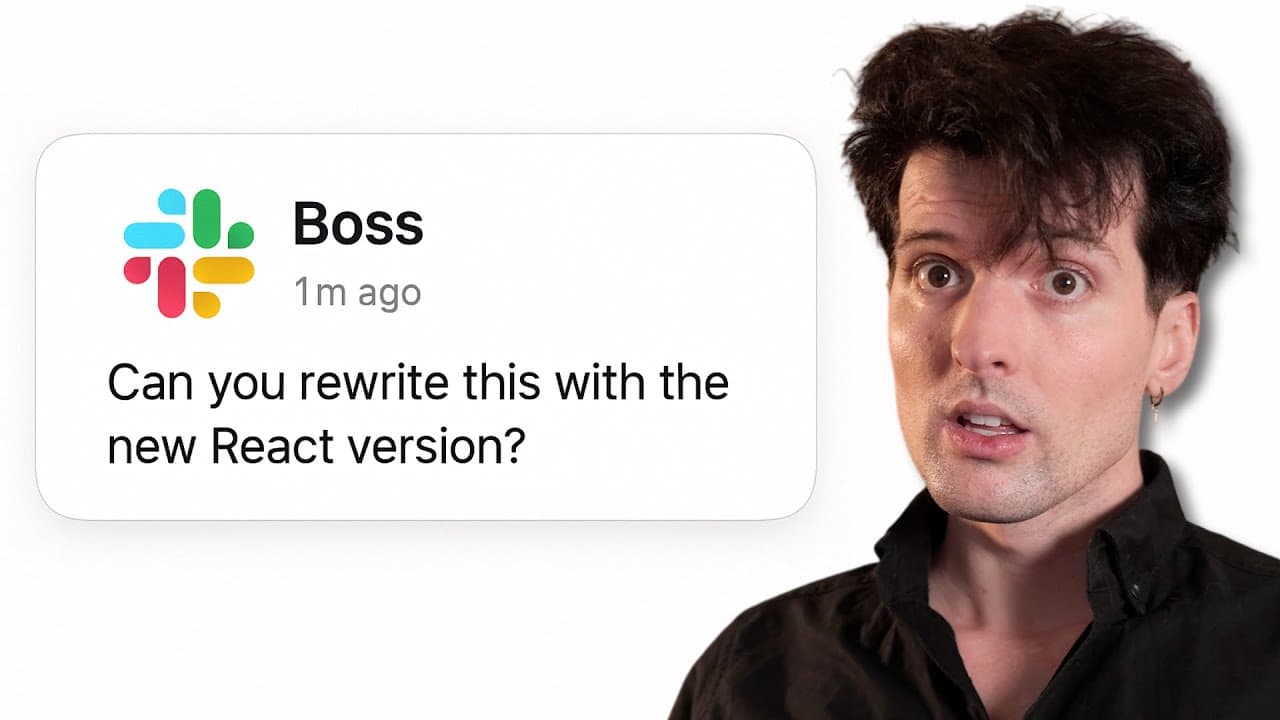
- Engineers often prefer a stable line in a codebase, with changes like hooks or server components affecting their threshold.
- Creators are rewarded for changing how they work and what topics they cover, pushing into higher change zones.
- A person’s position on the change spectrum determines how new tools or workflows affect them.
- Using Frame.io as an example shows that adoption can be delayed even when a tool is valuable, due to change thresholds.
- When change energy is high, exploring new tools and formats can boost creativity and channel growth.
- Low change energy makes non essential tools and processes seem burdensome, increasing burnout risk if too much is added.
- Balancing change energy across work and creative activities helps sustain performance and prevents fatigue.
Install to Summarize YouTube Videos and Get Transcripts
Explore YouTube Video Summarizer or Get YouTube Transcript Extractor
Questions & Answers
Q: A real search query about the video: How can I manage my change energy to avoid burnout at work
Change energy is a personal spectrum that describes how much change a person is willing to tolerate in daily life and work. To manage burnout, identify your position on this spectrum for different domains such as living environment, workload, and technology. Then tailor your tasks to stay within your comfortable zone as much as possible, while allowing controlled experiments that push you just enough to grow. This approach helps maintain motivation, reduces stress from constant change, and guides when to adopt new tools or processes.
Q: What is the difference between engineers and creators in terms of change energy
Engineers often seek stability in codebases and workflows, so changes that disrupt familiar patterns can push them toward burnout. Creators, on the other hand, thrive on frequent change and novelty, benefiting from varied content formats and topics. Understanding this difference helps teams assign projects that fit each person’s tolerance for change, supporting sustainable output and job satisfaction.
Q: Why does Frame.io matter in the context of change energy
Frame.io is used as a collaboration tool to review video projects with precise comments at specific timestamps. Its adoption can be delayed because it adds change to an already full workload. When a creator is near or at their change threshold, adopting Frame.io represents additional change, which can delay potential productivity gains until the tool is fully integrated into the workflow.
Q: How can an engineer adjust to changes like new React features without burning out
An engineer can manage changes by aligning new features with their existing comfort zone and introducing changes incrementally. For example, when facing new technologies like hooks or server components, experiment in a controlled way, measure impact, and gradually integrate changes into the codebase. This preserves stability while enabling growth and reducing stress from abrupt shifts.
Q: What role does change energy play in choosing new tools
Change energy influences whether a person is inclined to try new tools. If already maxed out on change, adopting new tools feels overwhelming and burdensome. Conversely, if someone sits below their change threshold, they are more likely to explore and adopt new tools. This dynamic guides personal and team decisions about tool adoption and experimentation.
Q: How does the speaker describe the creator’s reward for changing how they work
The speaker notes that creators are rewarded for changing how they work, including trying new content formats, branding, and topics. Frequent, meaningful changes align with audience expectations for novelty and variety, which can drive growth. However, this comes with the risk of burnout if the change is too intense or constant.
Q: What is the recommended strategy when change is high and burnout is a risk
When change is high, focus energy on core creative output and minimize non essential changes to tools and processes. This keeps energy available for producing content while avoiding overload from constant adjustments. The strategy is to channel change energy into core activities and maintain simpler, boring routines elsewhere to protect sustainability.
Q: How does the video suggest balancing change energy across different life areas
The video suggests using a diagram to visualize your preferred range of change for different domains, such as living situation, work, and tools. By identifying the thresholds and where you tend to spike due to opportunities, you can balance changes so that you stay within a sustainable zone most of the time, reserving occasional higher change spikes for growth opportunities.
Summary & Key Takeaways
-
This video explains that people have different thresholds for change, which the author calls change energy. It uses a personal diagram to show how work environments and code bases can push people toward or away from their preferred range. The takeaway is to tailor tasks and tools to fit individual change tolerance to reduce burnout.
-
The creator mindset rewards frequent change and novelty, while traditional engineering stacks can feel monotonous. The speaker argues that creators should push their change energy toward new formats and topics, while engineers should seek stability in existing codebases. This alignment helps sustain motivation and productivity.
-
The concrete message is that change energy affects tool adoption and workflow decisions. When change is constant, seek ways to minimize non essential changes and maximize the value of new experiments. Matching work environment to personal thresholds can improve satisfaction and performance.
Read in Other Languages (beta)
Share This Summary 📚
Summarize YouTube Videos and Get Video Transcripts with 1-Click
Try YouTube Summary with ChatGPT & Claude or YouTube Transcript Generator
Explore More Summaries from Theo - t3․gg 📚






Summarize YouTube Videos and Get Video Transcripts with 1-Click
Try YouTube Summary with ChatGPT & Claude or YouTube Transcript Generator