Cathode ray tube disassembly and explanation
TL;DR
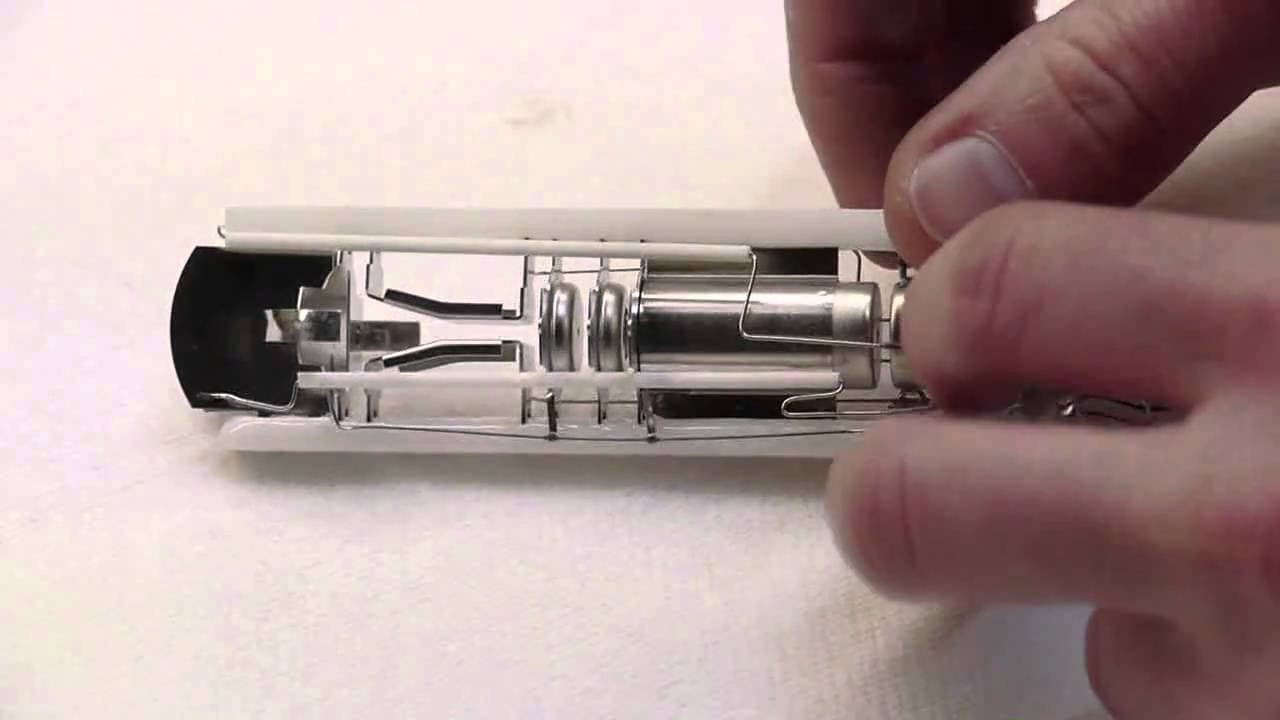
The video shows the process of disassembling and explaining the components of an electrostatic cathode ray tube found in old oscilloscopes.
Transcript
hey guys today I'm taking apart an electrostatic cathode raid tube this is what you would find in an oldfashioned oscilloscope uh so it was actually a very small oscilloscope the whole screen diameter was only about 3 in and I used a diamond um cut off wheel and a Dremel and I cut the back of the tube open and then pulled out the guts so this the w... Read More
Key Insights
- 🙏 Electrostatic cathode ray tubes were commonly used in older oscilloscopes but have been largely replaced by plasma and LCD monitors.
- 😎 Aquadag, a conductive coating, is applied to the inside of cathode ray tubes to prevent electron build-up on the glass surface.
- 🙂 Cathode ray tubes work by accelerating and deflecting electrons to create a spot of light on the fluorescent screen.
- 🙌 The electron gun assembly, conductive coating, focusing assembly, and deflection plates are essential components of a cathode ray tube.
- 😁 The deflection plates allow for beam deflection in both the x and y directions to control the position of the electron beam on the screen.
- 😁 The astigmatism control adjusts the focus of the electron beam, ensuring a round and clear dot on the screen.
- 🧪 The getter inside the vacuum tube helps maintain a clean internal environment.
Install to Summarize YouTube Videos and Get Transcripts
Explore YouTube Video Summarizer or Get YouTube Transcript Extractor
Questions & Answers
Q: What is the purpose of the conductive coating inside the cathode ray tube?
The conductive coating, known as aquadag, prevents electrons from charging up the glass tube, ensuring the proper functioning of the electron gun assembly.
Q: How do cathode ray tubes produce a spot of light on the screen?
Cathode ray tubes accelerate and deflect electrons using electrodes, causing them to collide with the fluorescent phosphor screen, which emits light at the point of impact.
Q: What are the advantages of cathode ray tubes over modern display technologies?
Cathode ray tubes have the benefit of extremely fast screen updates and persistence, allowing for the display of traces moving faster than the eye can see.
Q: What is the purpose of the getter inside a vacuum tube?
The getter's role is to maintain a clean atmosphere inside the tube by absorbing impurities, preventing degradation of performance caused by substances escaping from within the tube.
Summary & Key Takeaways
-
The video demonstrates the disassembly of an electrostatic cathode ray tube, revealing its electron gun assembly, conductive coating, and fluorescent screen.
-
Cathode ray tubes work by accelerating and deflecting electrons to create a spot of light on the screen.
-
Despite being outdated technology, cathode ray tubes have the advantage of fast screen updates and persistence of the phosphor screen.
Read in Other Languages (beta)
Share This Summary 📚
Summarize YouTube Videos and Get Video Transcripts with 1-Click
Try YouTube Summary with ChatGPT & Claude or YouTube Transcript Generator
Explore More Summaries from Applied Science 📚

Summarize YouTube Videos and Get Video Transcripts with 1-Click
Try YouTube Summary with ChatGPT & Claude or YouTube Transcript Generator