Is The Feeling Of Fear Taking You Over? Do This! | Mel Robbins
TL;DR
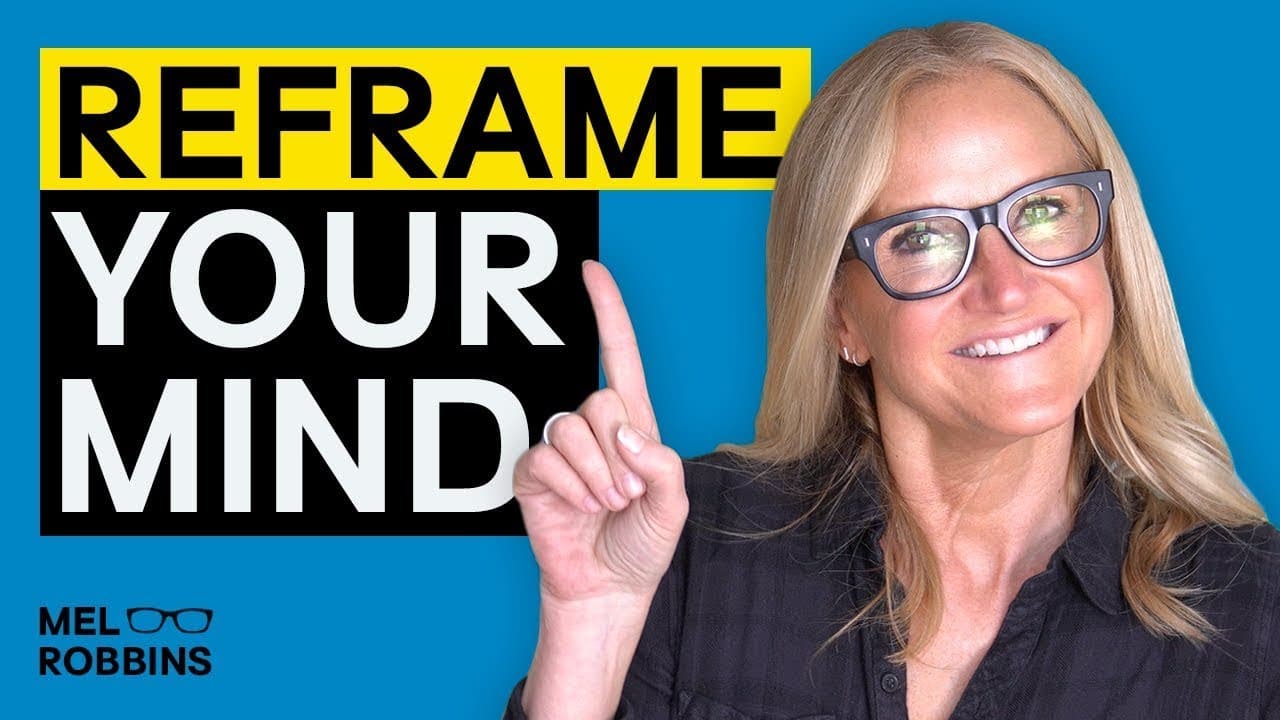
Mel Robbins manages fear by reconnecting with her purpose, speaking as if she is addressing one person who needs the message, and relabeling nervousness as excitement. Before taking the stage at the Dallas Convention Center, she treats sweating, a dry mouth, and a twisting stomach as signs that her body is becoming alert for something important. Read on to apply her ritual before speeches, interviews, tests, and difficult conversations.
Transcript
I am here at the Dallas Convention Center and there are 3 000 chairs out there and we have just run through the tech rehearsal and I'm going to tell you a little secret about um how I manage my nerves and how I flip it into excitement and this is something you can steal there's always a reason why you are doing something and when you can find the r... Read More
Key Insights
- 👋 Reminding yourself of the purpose behind your actions can help you overcome nerves and perform at your best.
- ❓ Reframing nerves into excitement is possible because there is no physiological difference in your body's response to stress and excitement.
- 😨 Creating a confidence anchor, a positive visualization of an exciting moment related to the situation, can help shift your thoughts and emotions from fear to excitement.
- ✋ Preparation and rehearsal are crucial in managing nerves and performing well in high-pressure situations.
Install to Summarize YouTube Videos and Get Transcripts
Explore YouTube Video Summarizer or Get YouTube Transcript Extractor
Questions & Answers
Q: How does Mel Robbins stop fear from taking over?
She reminds herself why the moment matters, focuses on the impact she wants to make, and imagines speaking to one person who needs to hear her message. She then tells herself, “I’m not nervous, I’m really excited,” using an empowering label for the sensations in her body.
Q: How can you reframe nervousness as excitement?
Tell yourself that the physical sensations are preparing you to do something important rather than signaling that you should retreat. Mel Robbins repeatedly labels herself as excited and directs her attention toward expressing herself and making a difference.
Q: Why does focusing on your purpose help with nerves?
Purpose shifts attention away from worrying about yourself and toward the impact you want to make. For Mel Robbins, remembering that someone may need her message helps her stay focused even when her stomach twists or she feels nervous.
Q: What does Mel Robbins tell herself before speaking to an audience?
She tells herself that she is only ever talking to one person. She believes someone in the room is meant to hear something she is about to say, which helps her trust the moment and show up as her full self.
Q: What are nerves trying to do according to Mel Robbins?
She describes nervousness as the body entering an alert state because the upcoming event matters and requires concentration. She gives tests, presentations, singing, interviews, and dates as examples of situations where people care about the outcome and need to pay attention.
Q: Should you try to calm down before a high-pressure moment?
Mel Robbins says her own ritual is not to meditate, dance around, or get calm. Instead, she taps into excitement, relabels her nerves in an empowering way, and focuses closely on the impact she wants to make.
Q: How can this approach help before asking for recognition at work?
Remind yourself that you want to be compensated and valued for your contributions and that making those contributions known is your responsibility. That purpose can help you speak up and feel proud of advocating for yourself.
Q: Can this fear-reframing ritual help outside public speaking?
The transcript applies the approach to tests, presentations, singing, interviews, dates, workplace advocacy, and speaking at a town meeting. In each case, the person can identify why the outcome matters and reinterpret the body’s alert state as excitement.
Summary & Key Takeaways
-
The speaker discusses how she manages her nerves and turns them into excitement by reminding herself of the purpose and impact of her speeches or presentations.
-
She emphasizes the importance of finding the reason behind why you want to do something, whether it's giving a speech, advocating for yourself, or making a difference in your community.
-
The speaker shares her personal ritual of reminding herself that she is only talking to one person in the audience who needs to hear her message, which helps her stay focused and aligned with her purpose.
Read in Other Languages (beta)
Share This Summary 📚
Summarize YouTube Videos and Get Video Transcripts with 1-Click
Try YouTube Summary with ChatGPT & Claude or YouTube Transcript Generator
Explore More Summaries from Mel Robbins 📚



Summarize YouTube Videos and Get Video Transcripts with 1-Click
Try YouTube Summary with ChatGPT & Claude or YouTube Transcript Generator