How to Draw Realistic Clothing Folds and Wrinkles
TL;DR
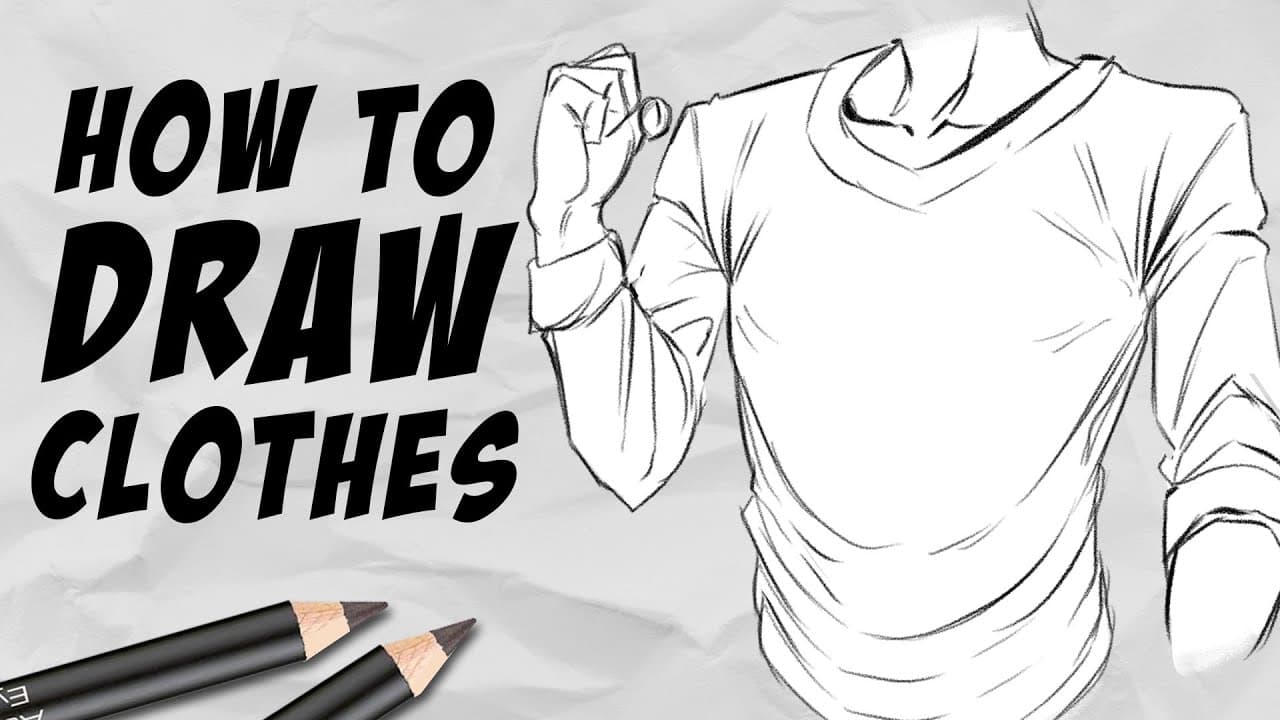
To draw realistic clothing folds and wrinkles, focus on the points of tension where the fabric stretches, such as underarms and around the hips. Understanding how gravity affects fabric can help you avoid common mistakes like 'levitating' garments. Observing real-life references and varying body types will enhance the accuracy of your artwork.
Transcript
hi guys my name is Marcel welcome to my very first video on this channel and today you're gonna learn how to draw like a sir drawing fabric wrinkles and clothes is a very big topics of course this little tutorial will only teach you the basics so if you're a beginner you just do this you watch this video you learn the basics and then you look up re... Read More
Key Insights
- 😥 Points of tension are critical for understanding how fabric behaves on different body types.
- 🖐️ Gravity plays a pivotal role in determining how fabric drapes, creating natural folds and wrinkles.
- 🧑🎨 Beginner artists often overlook the necessity of incorporating wrinkles, resulting in flat, unrealistic drawings.
- 🧑🎨 Observing real-life clothing and body movement can enhance an artist's skills in drawing fabric correctly.
- 🥺 Different body types will lead to variations in how clothes fit and wrinkle, requiring personalized approaches in drawing.
- 👀 Understanding fabric thickness can help differentiate between how clothes look, influencing an artist's style and accuracy.
- 🧑🎨 The artist's experience is essential in mastering the intricacies of fabric representation over time.
Install to Summarize YouTube Videos and Get Transcripts
Explore YouTube Video Summarizer or Get YouTube Transcript Extractor
Questions & Answers
Q: What are the main points of tension when drawing fabric?
The main points of tension in fabric drawing are where the fabric is pulled tight, such as under armpits, around elbows, and at the collar. Understanding these points helps artists know where to emphasize wrinkles, as they indicate how the clothing fits the body and reacts to gravity. Observers should pay attention to how these areas differ based on body types and clothing styles.
Q: Why is it important to avoid drawing levitating clothes?
Drawing levitating clothes can lead to unrealistic representations that lack depth and believability. The fabric should react to gravity, with wrinkles and folds illustrating how it drapes around the body. By avoiding this mistake, artists create a more accurate depiction of clothing, enhancing the overall quality of their artwork.
Q: How does body type affect clothing wrinkles?
Different body types produce varying levels of tension in fabric, which affects how clothing wrinkles appear. For example, a larger chest or waist creates different points of tension, resulting in more prominent folds. Observing and adapting to these differences is crucial for artists to create realistic clothing depictions.
Q: What role do fabric types play in drawing wrinkles?
The type of fabric significantly influences how wrinkles are displayed. Thicker materials may show fewer wrinkles because they maintain their shape, while thinner fabrics exhibit more wrinkles as they cling to the body's contours. Artists should consider fabric weight and texture when depicting clothing to achieve realism.
Summary & Key Takeaways
-
The tutorial focuses on basic techniques for drawing clothing wrinkles and emphasizes understanding the points of tension in fabric.
-
It highlights common beginner mistakes, such as depicting levitating clothes without understanding how gravity affects fabric's appearance.
-
The video encourages practice with real-life references and hints at the importance of observing different body types and their unique effects on clothing drapery.
Read in Other Languages (beta)
Share This Summary 📚
Summarize YouTube Videos and Get Video Transcripts with 1-Click
Try YouTube Summary with ChatGPT & Claude or YouTube Transcript Generator
Explore More Summaries from Draw like a Sir 📚


Summarize YouTube Videos and Get Video Transcripts with 1-Click
Try YouTube Summary with ChatGPT & Claude or YouTube Transcript Generator