What Is the Dark Legacy of Dodger Stadium and Chavez Ravine?
TL;DR
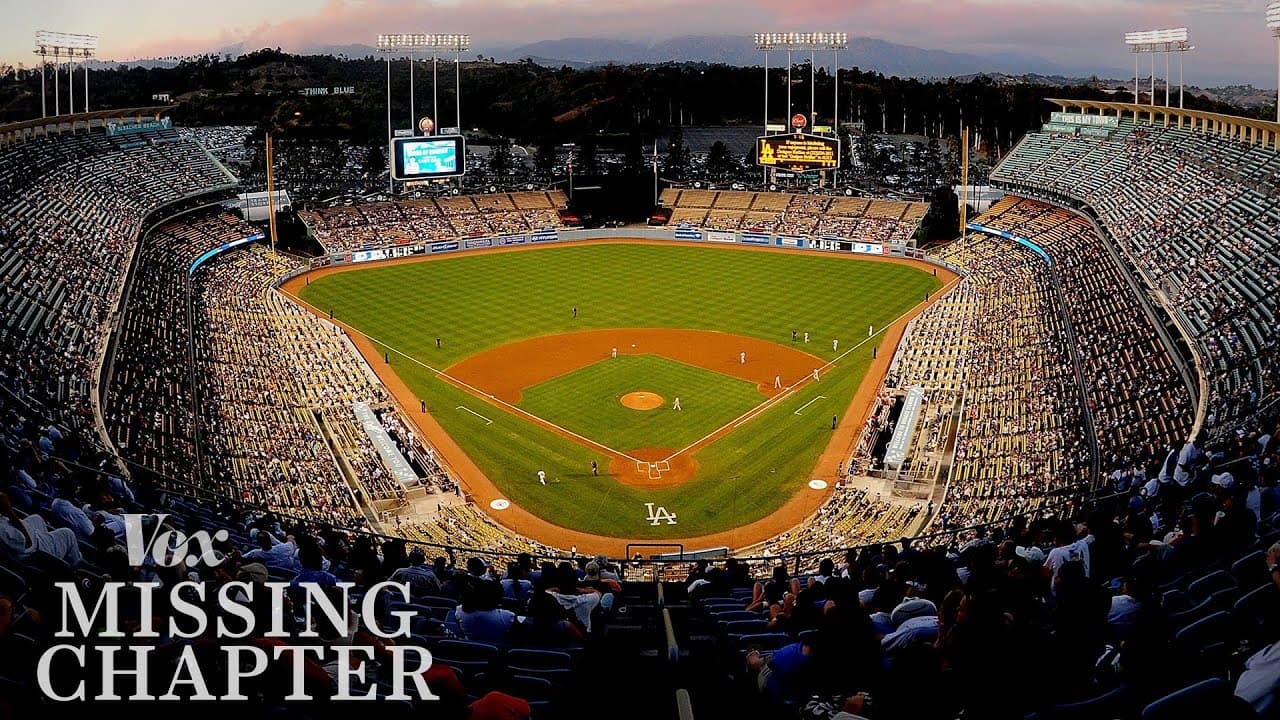
Dodger Stadium’s dark legacy is that its construction followed the displacement of over 1,100 largely Mexican-American families from Chavez Ravine. Los Angeles labeled the community “blighted,” used eminent domain to acquire residents’ land, and abandoned its original public-housing plan after political opposition. The stadium remains both a site of historical injustice and Latinx cultural significance. Read on to understand how urban renewal dismantled a thriving community.
Transcript
October 2020. The Los Angeles Dodgers were about to win the World Series. "It was the ninth inning, Dodgers coming in there to close it out..." Joseph had waited for this moment for a long time. But his grandmother was another story. "My mom was at my grandma's house. We called my mom: The Dodgers are about to win the World Series! It's the first t... Read More
Key Insights
- Dodger Stadium was built on the land of Chavez Ravine, displacing over 1,100 Mexican-American families who owned homes there.
- Chavez Ravine was unjustly labeled as a 'blighted' area by Los Angeles city officials, leading to forced evictions under eminent domain.
- The community of Chavez Ravine was thriving, with many residents achieving the American dream of homeownership despite racial segregation.
- The displacement of Chavez Ravine residents was part of a broader trend of urban renewal that often targeted minority communities in the mid-20th century.
- A public campaign against public housing, fueled by fears of socialism, led to the cancellation of the original redevelopment plans for Chavez Ravine.
- The final evictions in Chavez Ravine were marked by violence and public outcry, as families were forcibly removed from their homes.
- Dodger Stadium's legacy is complex, representing both a site of historical injustice and a space of Latinx cultural significance and excellence.
- The story of Chavez Ravine raises questions about the costs of urban development and who benefits from such changes in cities like Los Angeles.
Install to Summarize YouTube Videos and Get Transcripts
Explore YouTube Video Summarizer or Get YouTube Transcript Extractor
Questions & Answers
Q: What is the dark legacy of Dodger Stadium?
Dodger Stadium stands where the largely Mexican-American communities of Palo Verde, La Loma, and Bishop once existed. Los Angeles displaced residents after designating Chavez Ravine as “blighted” and using eminent domain to acquire their property, making the stadium inseparable from the community’s destruction.
Q: What was Chavez Ravine before Dodger Stadium?
Chavez Ravine comprised three largely Mexican-American neighborhoods: Palo Verde, La Loma, and Bishop. The roughly 300-acre area housed over 1,100 families, many of whom owned homes, operated businesses, and described a close-knit community.
Q: Why was homeownership in Chavez Ravine significant?
Los Angeles was deeply segregated through redlining and racially restrictive property covenants, leaving people of color few places to live or purchase homes. By 1940, homeownership was common in Chavez Ravine and enabled generations of Mexican-American families to build wealth and an emerging middle class.
Q: How did Los Angeles justify displacing Chavez Ravine residents?
In 1948, Los Angeles designated Chavez Ravine as its first “blighted” area to be rebuilt through urban renewal. The city then used eminent domain, which allowed it to acquire residents’ land while paying what it considered a fair price.
Q: What was Elysian Park Heights?
Elysian Park Heights was the public-housing community originally planned to replace Chavez Ravine. It was designed to include 13-story buildings, landscaped townhouses, and stores, but residents questioned why homeowners with yards and affordable housing should move into apartments.
Q: How did Chavez Ravine residents resist displacement?
Throughout the spring and summer of 1951, residents organized in their homes, demonstrated at City Hall, and participated in public hearings attended by hundreds. Women often led these efforts, but the community ultimately had few viable options for stopping the city.
Q: What happened to families displaced from Chavez Ravine?
By 1951, the city had pushed out two-thirds of the residents of Palo Verde, La Loma, and Bishop. Many families received little or no compensation, and some had to take on debt when purchasing homes elsewhere because they believed the city undervalued their property.
Q: How is Dodger Stadium’s legacy viewed today?
Its legacy is complex because the stadium occupies land associated with forced displacement and historical injustice. At the same time, it has become a place of Latinx cultural significance and excellence, raising enduring questions about who pays for and benefits from urban development.
Summary & Key Takeaways
-
The construction of Dodger Stadium in Los Angeles involved the displacement of over 1,100 Mexican-American families from the Chavez Ravine area. This community was thriving, with many residents owning their homes, but was labeled as 'blighted' by the city, leading to forced evictions.
-
The displacement of Chavez Ravine residents was part of a broader trend of urban renewal in the mid-20th century that disproportionately affected minority communities. The original redevelopment plans for the area were canceled due to public opposition to public housing, leaving residents in limbo.
-
The legacy of Dodger Stadium is complicated, as it stands on a site of historical injustice while also being a space of Latinx cultural significance. The story highlights the costs of urban development and raises questions about who benefits from such changes in cities like Los Angeles.
Read in Other Languages (beta)
Share This Summary 📚
Summarize YouTube Videos and Get Video Transcripts with 1-Click
Try YouTube Summary with ChatGPT & Claude or YouTube Transcript Generator
Explore More Summaries from Vox 📚





Summarize YouTube Videos and Get Video Transcripts with 1-Click
Try YouTube Summary with ChatGPT & Claude or YouTube Transcript Generator