Who Owns the Media and Why It Matters?
TL;DR
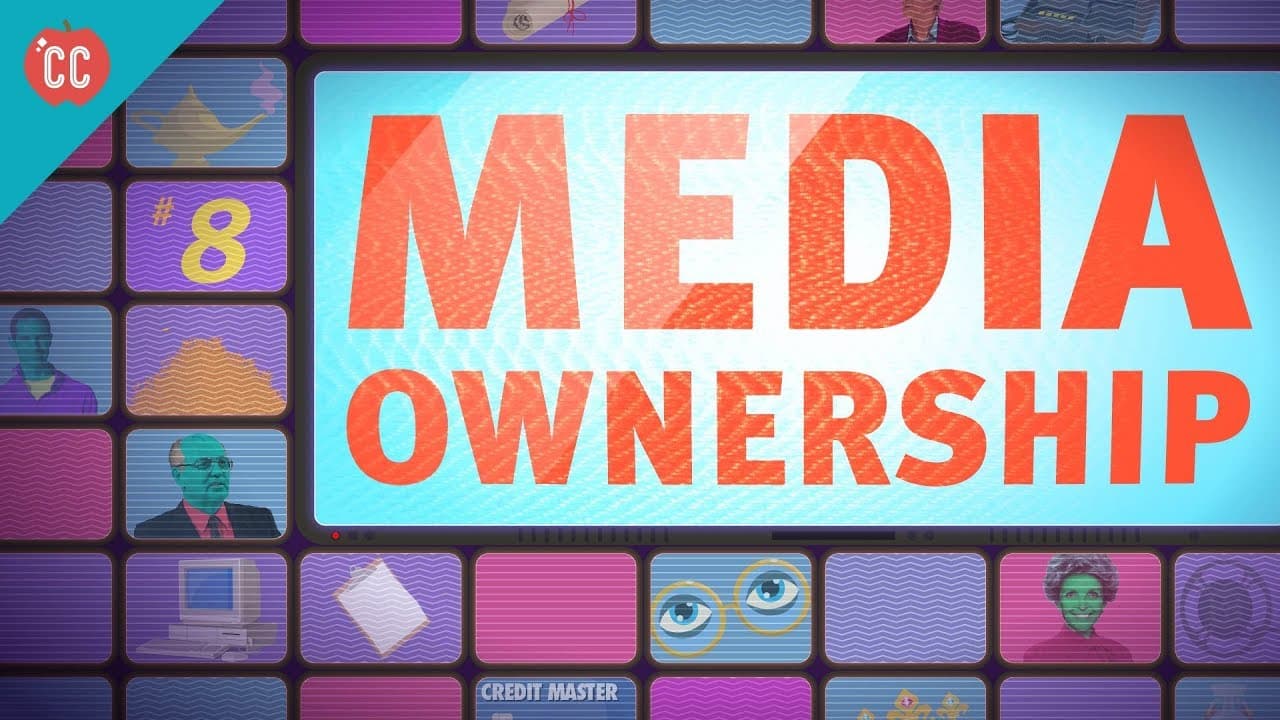
Media ownership is controlled by a few large corporations, creating a complex web of mergers and acquisitions. This concentration of power can lead to monopolies, affecting consumer choices and pricing. Understanding media ownership helps consumers navigate the media landscape more effectively and recognize the impact of corporate influence on communication and culture.
Transcript
Hey, check it out. I just got this new phone. Well, kind of – I’m renting it for a couple bucks a month. But really that’s part of a bundle – you know, I’ve got my cell phone, my internet, my cable. All one bill, which is pretty convenient. The phone is made by another company of course, but they have this exclusive deal with the bundle people. And... Read More
Key Insights
- Media ownership is concentrated among a few large corporations, creating a complex web of control.
- Vertical integration allows companies to dominate markets by controlling production and distribution.
- AT&T's monopoly in the telephone industry was broken up in the 1980s, leading to increased competition and innovation.
- Net neutrality ensures equal access to internet content, preventing ISPs from creating tiered service levels.
- Without net neutrality, ISPs could prioritize their own content, disadvantaging competitors.
- Tech companies like Google, Facebook, and Amazon have significant influence but are not regulated like traditional media companies.
- The FCC regulates media companies to prevent monopolies and ensure content standards, but does not have the same authority over tech companies.
- Understanding media ownership is crucial for media literacy and recognizing the impact of corporate influence on communication.
Install to Summarize YouTube Videos and Get Transcripts
Explore YouTube Video Summarizer or Get YouTube Transcript Extractor
Questions & Answers
Q: How does media ownership affect consumer choices?
Media ownership affects consumer choices by concentrating control over content and distribution among a few large corporations. This can lead to monopolies, limiting competition and innovation. Consumers may face higher prices and fewer options as a result. Understanding media ownership helps consumers navigate the media landscape and recognize the impact of corporate influence on communication and culture.
Q: What is vertical integration in media ownership?
Vertical integration in media ownership refers to a company's control over multiple stages of production and distribution within an industry. This allows a company to dominate a market by controlling the creation and delivery of content. Vertical integration can lead to monopolies, limiting competition and consumer choices, and is a key factor in understanding the dynamics of media ownership.
Q: Why was the AT&T monopoly broken up?
The AT&T monopoly was broken up to prevent a single company from dominating the telephone industry. AT&T controlled every aspect of the telephone system, from equipment to service, leading to high prices and limited innovation. Anti-trust regulations aimed to increase competition and protect consumers, resulting in the breakup of AT&T into smaller companies in the 1980s, fostering innovation and consumer choice.
Q: What is net neutrality and why is it important?
Net neutrality is the principle that internet service providers (ISPs) should treat all data on the internet equally, without favoring or blocking particular products or websites. It is important because it ensures equal access to internet content, preventing ISPs from creating tiered service levels that could disadvantage competitors. Net neutrality promotes a fair and open internet, encouraging innovation and protecting consumer rights.
Q: How do tech companies influence media consumption?
Tech companies like Google, Facebook, and Amazon influence media consumption by controlling platforms that distribute content. They own multiple subsidiaries and have significant reach, impacting how media is accessed and consumed. Unlike traditional media companies, they are not regulated by the FCC, raising questions about accountability and the need for oversight to ensure fair practices and protect consumer interests.
Q: Why are tech companies not regulated like media companies?
Tech companies are not regulated like media companies because current regulations, such as those enforced by the FCC, were designed for traditional media. These rules focus on preventing monopolies and ensuring content standards for TV, radio, and phones. As tech companies increasingly act as media distributors, there is debate over whether they should be subject to similar regulations to ensure accountability and protect consumers.
Q: What are the consequences of media monopolies?
Media monopolies can lead to higher prices, reduced consumer choice, and stagnated innovation. When a single company dominates an industry, it can overcharge customers and under deliver services due to lack of competition. Monopolies also concentrate power, allowing companies to influence communication and culture significantly. Anti-trust regulations aim to prevent these outcomes by promoting competition and protecting consumer interests.
Q: How do mergers and acquisitions impact media literacy?
Mergers and acquisitions impact media literacy by altering the landscape of media ownership and control. They can lead to increased concentration of power among a few corporations, affecting the diversity and availability of content. Understanding these dynamics is crucial for media literacy, as it helps consumers recognize the influence of corporate interests on communication and culture, and navigate the media landscape more effectively.
Summary & Key Takeaways
-
Media ownership is dominated by a few key players, leading to a complex web of control over content and distribution. This concentration of power can create monopolies, affecting consumer choices and pricing. Understanding these dynamics is essential for media literacy and recognizing the influence of corporate interests on communication and culture.
-
Vertical integration and mergers allow companies to dominate markets, as seen with AT&T's historical monopoly in the telephone industry. The breakup of AT&T led to increased competition and innovation, demonstrating the importance of anti-trust regulations in preventing monopolies and encouraging creativity.
-
Net neutrality ensures equal access to internet content, preventing ISPs from creating tiered service levels that could disadvantage competitors. Tech companies like Google, Facebook, and Amazon have significant influence but are not regulated like traditional media companies, raising questions about accountability and the need for regulation in the digital age.
Read in Other Languages (beta)
Share This Summary 📚
Summarize YouTube Videos and Get Video Transcripts with 1-Click
Try YouTube Summary with ChatGPT & Claude or YouTube Transcript Generator
Explore More Summaries from CrashCourse 📚



Summarize YouTube Videos and Get Video Transcripts with 1-Click
Try YouTube Summary with ChatGPT & Claude or YouTube Transcript Generator