How Do Strong Adult Relationships Reduce Juvenile Recidivism?
TL;DR
Establishing strong, trusting relationships between adults and adolescents can significantly lower juvenile recidivism rates. In a study, students who received supportive interventions from educators saw recidivism drop from 69% to just 29%. These relationships foster a sense of belonging and motivate students, ultimately enhancing their chances of success in school and life.
Transcript
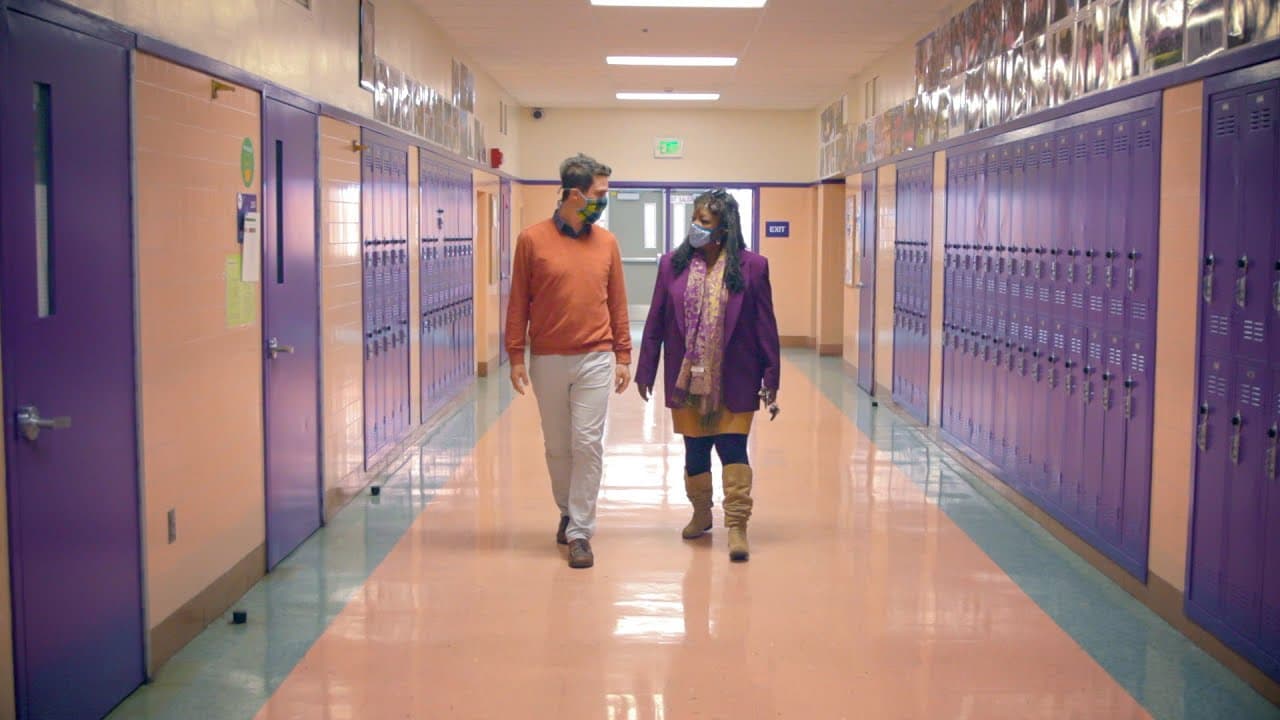
- Adolescents face many, many different kinds of challenges. There's trauma, there's basic needs. There's academic challenges. There is instability in home lives and neighborhood circumstances. But a strong, trusting relationship with an adult - it's not a panacea, but it's a foundation. - We are trying to understand what happens when children try ... Read More
Key Insights
- 🧑 Trusting relationships with adults provide a foundation for adolescents to navigate various challenges they encounter.
- 🥅 Elevating youth voices and sharing their goals with educators foster positive relationships that promote success.
- 😨 Creating a sense of belonging and care within schools is crucial for adolescents to feel supported and motivated.
- ☠️ Interventions focusing on shifting perceptions and reducing bias significantly reduce recidivism rates for justice-involved youth.
- 🧑🎓 Personalizing education for students based on their goals and values improves engagement and achievement.
- 👋 Building positive relationships inspires and motivates educators to bring their best selves to support student success.
- 💪 Strong relationships between adults and adolescents have far-reaching effects, influencing their transition, growth, and overall life outcomes.
Install to Summarize YouTube Videos and Get Transcripts
Explore YouTube Video Summarizer or Get YouTube Transcript Extractor
Questions & Answers
Q: How can strong, trust-based relationships with adults impact adolescents' ability to overcome challenges?
Adolescents face a multitude of challenges, and while adult relationships may not solve all their problems, they provide a vital foundation of support, protection, and guidance. These relationships give them someone who believes in their potential and can help navigate their difficulties.
Q: What is the role of social psychologists in helping adolescents transition back into traditional school from the juvenile justice system?
Social psychologists contribute by developing interventions that focus on building positive adult relationships with these students. This helps educators understand their unique goals, values, and experiences, shifting their perceptions from viewing them solely as justice-involved individuals to seeing them as complex individuals deserving of care and support.
Q: How does sharing a student's goals and values with educators impact the relationship and the student's success?
Sharing a student's goals and values with educators allows them to personalize their approach and interactions. It helps educators see the student beyond their past mistakes and biases, fostering a positive relationship built on understanding and trust. This, in turn, increases the likelihood of the student's success.
Q: What are the benefits of reducing bias and stigma associated with justice-involved youth?
By reducing bias and stigma, teachers can create a supportive and inclusive environment where every student feels valued and capable of success. Removing bias helps break down barriers that hinder academic and personal growth, allowing students to thrive and reach their full potential.
Summary & Key Takeaways
-
Strong, trusting relationships with adults can serve as a foundation for adolescents to navigate and overcome challenges they face.
-
Social psychologists have developed interventions to support adolescents returning to traditional school from the juvenile justice system.
-
Elevating kids' voices and sharing their goals and values with educators can help build positive relationships that foster success.
-
Creating a sense of belongingness and care in schools is crucial for adolescents to feel supported and guided towards success.
Read in Other Languages (beta)
Share This Summary 📚
Summarize YouTube Videos and Get Video Transcripts with 1-Click
Try YouTube Summary with ChatGPT & Claude or YouTube Transcript Generator
Explore More Summaries from Stanford 📚





Summarize YouTube Videos and Get Video Transcripts with 1-Click
Try YouTube Summary with ChatGPT & Claude or YouTube Transcript Generator