What Behaviors Should You Avoid for a Healthy Relationship?
TL;DR
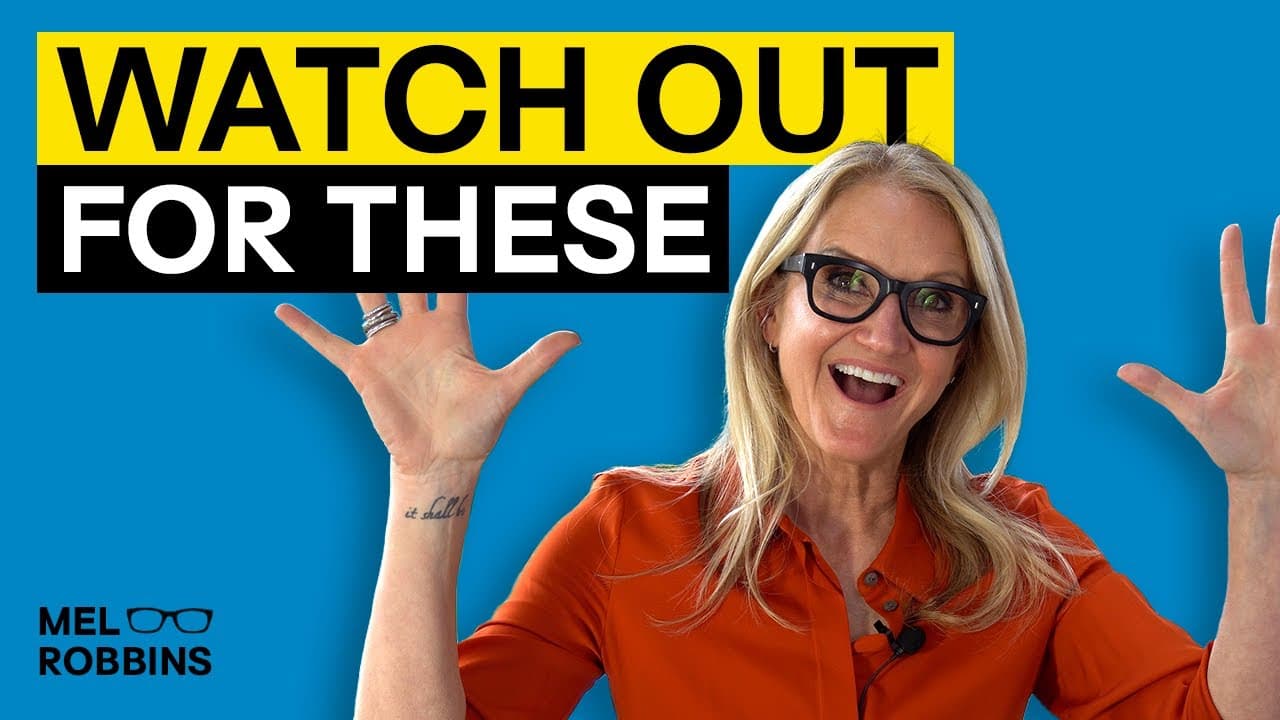
To maintain a healthy relationship, avoid behaviors such as lying, the silent treatment, and belittling insecurities. Other red flags include name-calling, constant interruptions, controlling actions, making decisions without consultation, invalidating feelings, and ignoring boundaries. Addressing these issues is crucial for fostering trust and respect.
Transcript
there are nine types of behavior that we kind of dismiss is okay not that big of a deal I can live with it whatever and the truth is now that you understand what really builds a healthy relationship and strengthens it over time you'll see why these not these behaviors that I'm about to explain are non-negotiables like if you spot this in a relation... Read More
Key Insights
- 😌 Lying, even about small matters, erodes trust and honesty, damaging the foundation of a healthy relationship.
- ❓ The silent treatment is manipulative and dysfunctional, preventing conflict resolution and creating emotional distance.
- 🫡 Using insecurities against a partner is emotionally abusive and undermines the connection and respect within the relationship.
- ✊ Name-calling is disrespectful and establishes a power imbalance, damaging the partnership.
- 🫡 Constant interruption and talking over someone indicate a lack of respect and hinder effective communication.
- 🤢 Controlling behavior, such as jealousy and invasion of privacy, indicates deep-seated trust issues and undermines a healthy partnership.
- 🙇 Making significant decisions without consulting the other person shows a lack of respect and disregards their input.
- ❓ Invalidating someone's feelings creates emotional detachment and a disconnection within the relationship.
- 🎙️ More videos with Mel Robbins:
Install to Summarize YouTube Videos and Get Transcripts
Explore YouTube Video Summarizer or Get YouTube Transcript Extractor
Questions & Answers
Q: How do lies, even white lies, impact trust and honesty in a relationship?
Lying, even about small matters, erodes trust and honesty in relationships because it shows a lack of transparency and a willingness to hide information. Trust cannot be built on a foundation of lies, making it a non-negotiable in a healthy relationship.
Q: Why is the silent treatment considered manipulative and dysfunctional behavior?
The silent treatment is manipulative and dysfunctional because it avoids resolving conflicts and creates an emotional blockade. It shows a lack of willingness to communicate and resolve issues, leading to gridlock in the relationship.
Q: Why is using insecurities against a partner a major red flag?
Using insecurities against a partner is belittling, disrespectful, and emotionally abusive. It erodes the connection and creates a power imbalance in the relationship. It is essential to draw boundaries and address this behavior.
Q: How does name-calling impact a relationship?
Name-calling is a disrespectful behavior that undermines the connection and creates a toxic environment. Partners should never engage in demeaning language and should address name-calling immediately.
Q: What does constant interrupting and talking over someone signal in a relationship?
Constant interruption and talking over someone indicate a lack of respect and importance for the other person's thoughts and opinions. It suggests a power dynamic where one person dominates the conversation, hindering healthy communication.
Q: How does controlling behavior impact a relationship?
Controlling behavior, such as jealousy, invasion of privacy, and not allowing independence, indicates deep-seated trust issues. It erodes the foundation of mutual respect and trust necessary for a healthy partnership and should not be tolerated.
Q: Why are big decisions made without consultation a form of disrespect?
Big decisions that impact both partners should be made together, ensuring compromise and consideration for each other's opinions and desires. Making significant decisions without consulting the other person is a sign of disrespect and a power play.
Q: How does invalidating someone's feelings affect a relationship?
Invalidating someone's feelings shows a lack of empathy and interest in understanding their emotions. It hinders effective communication and creates a disconnect within the relationship.
Summary & Key Takeaways
-
Lying: Even white lies erode trust and honesty in relationships, warranting a boundary to be drawn.
-
Silent Treatment: Refusing to communicate is manipulative and a power move, damaging the connection between partners.
-
Using Insecurities: Belittling and using someone's insecurities against them is abusive and a major red flag.
-
Name-calling: Calling names is disrespectful and creates a power imbalance in the relationship.
-
Interrupting: Constantly interrupting and talking over someone shows a lack of respect and care for their opinion.
-
Controlling Behavior: A partner who exhibits controlling or jealous behavior exhibits trust issues that should not be ignored.
-
Making Decisions Without Consultation: Big decisions that impact both partners should be made together, and disregarding the other's input is a form of disrespect.
-
Invalidating Feelings: Dismissing or disregarding someone's feelings is a sign of disconnection and lack of interest in their well-being.
-
Ignoring Boundaries: Failure to respect personal boundaries constitutes disrespect and shows a lack of consideration for the other person's needs.
Read in Other Languages (beta)
Share This Summary 📚
Summarize YouTube Videos and Get Video Transcripts with 1-Click
Try YouTube Summary with ChatGPT & Claude or YouTube Transcript Generator
Explore More Summaries from Mel Robbins 📚


Summarize YouTube Videos and Get Video Transcripts with 1-Click
Try YouTube Summary with ChatGPT & Claude or YouTube Transcript Generator