How Does Server Location Affect My Website's SEO?

TL;DR
Server location does not affect SEO geotargeting, but it can influence site speed, impacting user experience and Core Web Vitals. For short outages, using a 503 status code is acceptable and shouldn't harm SEO if resolved quickly. Canonical tags help consolidate link equity from ad campaign landing pages to main product pages.
Transcript
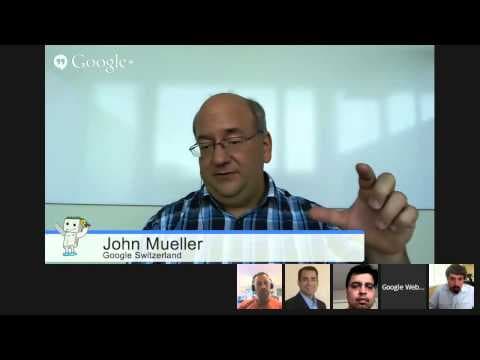
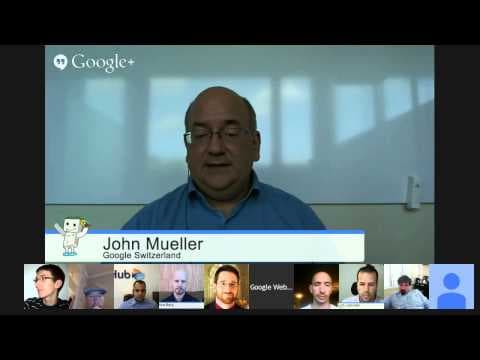
JOHN MUELLER: All right. Welcome, everyone, to today's Google Search Central SEO Office Hours Hangout. My name is John Mueller. I'm a search advocate on the Search Relations Team here at Google. And part of what we do are these office hours, where people can join in and ask their questions around their website and web search. And we have a handful ... Read More
Key Insights
- Server location does not impact SEO geotargeting, but speed differences might affect user experience and Core Web Vitals.
- Using a 503 status code for short server outages is acceptable and won't impact SEO if resolved quickly.
- Canonical tags are useful for consolidating link equity from ad campaign landing pages to main product pages.
- Fonts can contribute to Cumulative Layout Shift (CLS) issues if not handled properly, especially with external font files.
- Safe Search filters may affect adult content sites, particularly if brand names overlap with non-adult content.
- Handling 503 errors in Google Search Console involves prioritizing critical pages and allowing time for re-crawling.
- Manual actions due to unnatural links may require using the Disavow Tool, especially if links are from copied content.
- Automated translations are still considered low-quality content by Google unless reviewed manually, impacting SEO.
Install to Summarize YouTube Videos and Get Transcripts
Explore YouTube Video Summarizer or Get YouTube Transcript Extractor
Questions & Answers
Q: Does server location affect SEO?
Server location does not impact geotargeting for SEO. However, it can affect the speed at which users access your site, which might influence user experience and Core Web Vitals. Using a Content Delivery Network (CDN) can mitigate speed issues by having nodes in different locations.
Q: What is the best approach for server migration regarding SEO?
During server migration, it's best to keep URLs the same to avoid the need for 301 redirects. If a temporary outage is needed, serving a 503 status code is acceptable for short periods (e.g., one or two hours). This approach signals to Google that the error is temporary and should not affect search rankings.
Q: How can canonical tags help with ad campaign landing pages?
Canonical tags can be used on ad campaign landing pages to indicate the preferred version of a page, such as the main product page. This helps consolidate link equity and signals to Google that the landing page is a duplicate, directing SEO benefits to the main page.
Q: Can fonts cause CLS issues?
Yes, fonts can contribute to Cumulative Layout Shift (CLS) issues if they are loaded externally. The layout may shift when the font file loads, causing a CLS contribution. It's advisable to follow best practices for font loading to minimize layout shifts, which are detailed on web.dev.
Q: Why might an adult content site lose ranking for its brand name?
Google's Safe Search may filter adult content based on user intent, especially if the brand name overlaps with non-adult content. This filtering aims to align search results with user expectations. If adult content is removed from rankings for certain queries, it might be due to perceived intent.
Q: How should 503 errors be handled in Google Search Console?
For 503 errors, prioritize fixing critical pages by manually resubmitting them for indexing. Long-tail pages can be left to be re-crawled over time. Resubmitting sitemaps may not expedite the process significantly, as Google relies on crawl patterns rather than submission dates.
Q: How can manual actions for unnatural links be addressed?
Manual actions for unnatural links can be addressed by using the Disavow Tool to submit a list of domains with unwanted links. This tool helps Google ignore these links in its ranking calculations. It's essential to verify if the manual action was due to copied content or another link-related issue.
Q: Are automated translations acceptable for SEO?
Automated translations are generally considered low-quality content for SEO unless they are reviewed manually. Google views them as automatically generated content, which can negatively impact rankings. For better user experience, consider providing a button for users to view automated translations, but ensure main content is reviewed.
Summary & Key Takeaways
-
John Mueller addresses various SEO concerns, emphasizing that server location doesn't affect geotargeting but may impact speed. He suggests using a 503 status code for short outages and explains the importance of canonical tags for consolidating link equity from ad campaign pages.
-
Fonts can cause CLS issues if not managed correctly, and Safe Search may filter adult content based on user intent. He advises on handling 503 errors in Search Console and discusses how manual actions for unnatural links might be addressed using the Disavow Tool.
-
Automated translations are discouraged unless reviewed manually. John also highlights the importance of internal linking for indexing and suggests that brand mentions without links don't directly affect SEO rankings.
Read in Other Languages (beta)
Share This Summary 📚
Summarize YouTube Videos and Get Video Transcripts with 1-Click
Try YouTube Summary with ChatGPT & Claude or YouTube Transcript Generator
Explore More Summaries from Google Search Central 📚


Summarize YouTube Videos and Get Video Transcripts with 1-Click
Try YouTube Summary with ChatGPT & Claude or YouTube Transcript Generator