What Are the Effects of Alcohol on the Brain and Body?
TL;DR
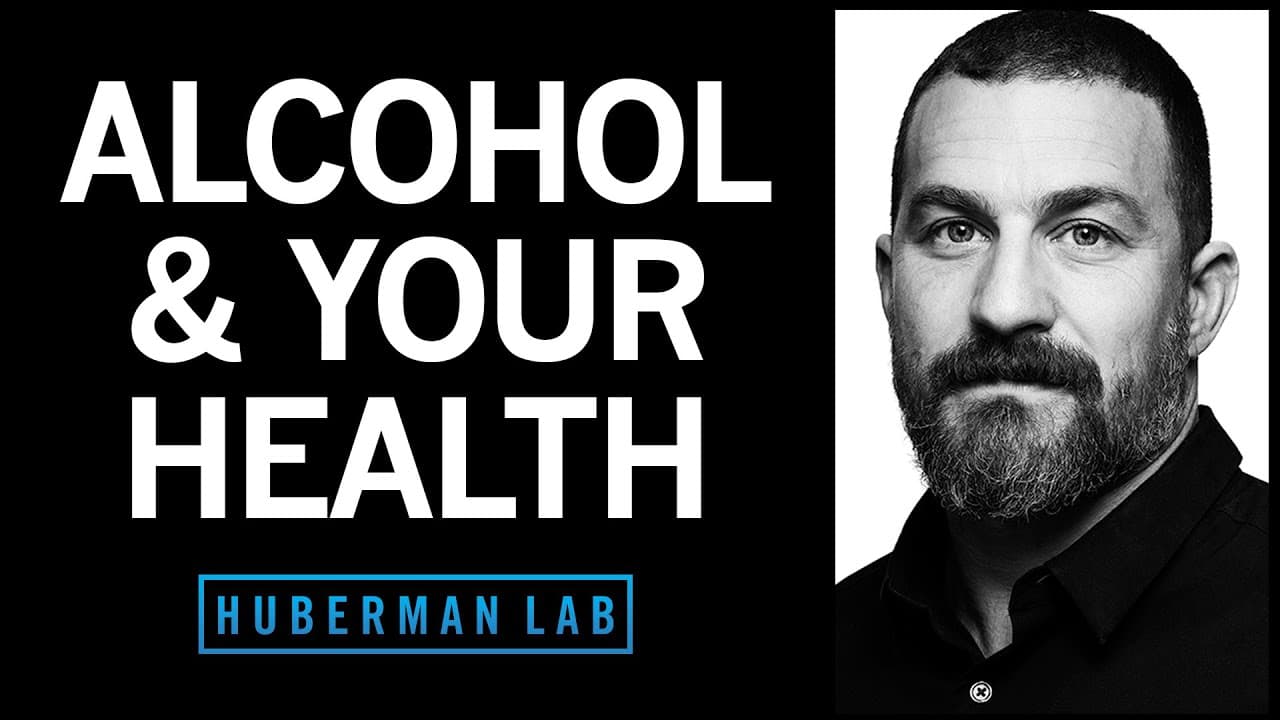
Alcohol consumption, even in low to moderate amounts, can lead to neurodegeneration and changes in brain circuitry, affecting mood, memory, and impulsivity. It increases the risk of developing alcohol use disorder, especially in those who start drinking at a younger age. The toxic byproduct acetaldehyde is harmful to cells, and genetic factors also play a significant role in alcohol-related issues.
Transcript
- Welcome to the Huberman Lab Podcast, where we discuss science and science-based tools for everyday life. [upbeat music] I'm Andrew Huberman, and I'm a professor of neurobiology and ophthalmology at Stanford School of Medicine. Today, we're discussing alcohol, one of the most commonly consumed substances on the planet Earth. I should mention that ... Read More
Key Insights
- 😒 Alcohol consumption leads to changes in neural circuitry, hormone production, and stress response, increasing the risk of alcohol use disorder.
- 🤕 Starting to drink at a younger age significantly increases the likelihood of developing alcoholism.
- 😒 Genetic factors, such as genes involved in serotonin and GABA receptors, contribute to alcohol use disorder risk.
- 🥺 Alcohol has detrimental effects on brain circuitry, leading to impulsivity, decreased mood, and memory impairment.
Install to Summarize YouTube Videos and Get Transcripts
Explore YouTube Video Summarizer or Get YouTube Transcript Extractor
Questions & Answers
Q: How does alcohol affect brain circuitry?
Alcohol suppresses activity in the prefrontal cortex, leading to impulsive behavior and reduced top-down inhibition. It also affects mood-related circuits involving serotonin, causing feelings of euphoria initially, but later leading to decreased mood.
Q: What are the genetic factors associated with alcoholism?
Genes involved in serotonin and GABA receptors, as well as the hypothalamic-pituitary-adrenal axis, play a role in predisposing individuals to alcohol use disorder. However, environmental factors and age of drinking initiation also contribute.
Q: Does starting to drink at a younger age increase the risk of alcoholism?
Yes, starting to drink at a younger age significantly increases the likelihood of developing alcohol use disorder. This may be due to changes in neural circuitry or hormonal effects that influence alcohol-seeking behavior.
Q: Are there any known positive effects of alcohol?
While the negative effects of alcohol outweigh the positive, some studies suggest that moderate alcohol consumption may be associated with a lower risk of heart disease. However, the risks and potential harm of alcohol consumption outweigh these potential benefits.
Summary & Key Takeaways
-
Alcohol is a commonly consumed substance that affects various aspects of our biology, from individual cells to organ systems.
-
Ingesting alcohol leads to the conversion of ethanol into acetaldehyde, a toxic substance that can be harmful to cells and organs.
-
Alcohol affects brain circuitry, leading to changes in mood, memory, impulsivity, and habitual behavior.
-
Genetic predisposition and the age at which a person starts drinking are significant factors in the development of alcohol use disorder.
Read in Other Languages (beta)
Share This Summary 📚
Summarize YouTube Videos and Get Video Transcripts with 1-Click
Try YouTube Summary with ChatGPT & Claude or YouTube Transcript Generator
Explore More Summaries from Andrew Huberman 📚





Summarize YouTube Videos and Get Video Transcripts with 1-Click
Try YouTube Summary with ChatGPT & Claude or YouTube Transcript Generator