How Did Mohammed bin Salman Seize Power in Saudi Arabia?
TL;DR
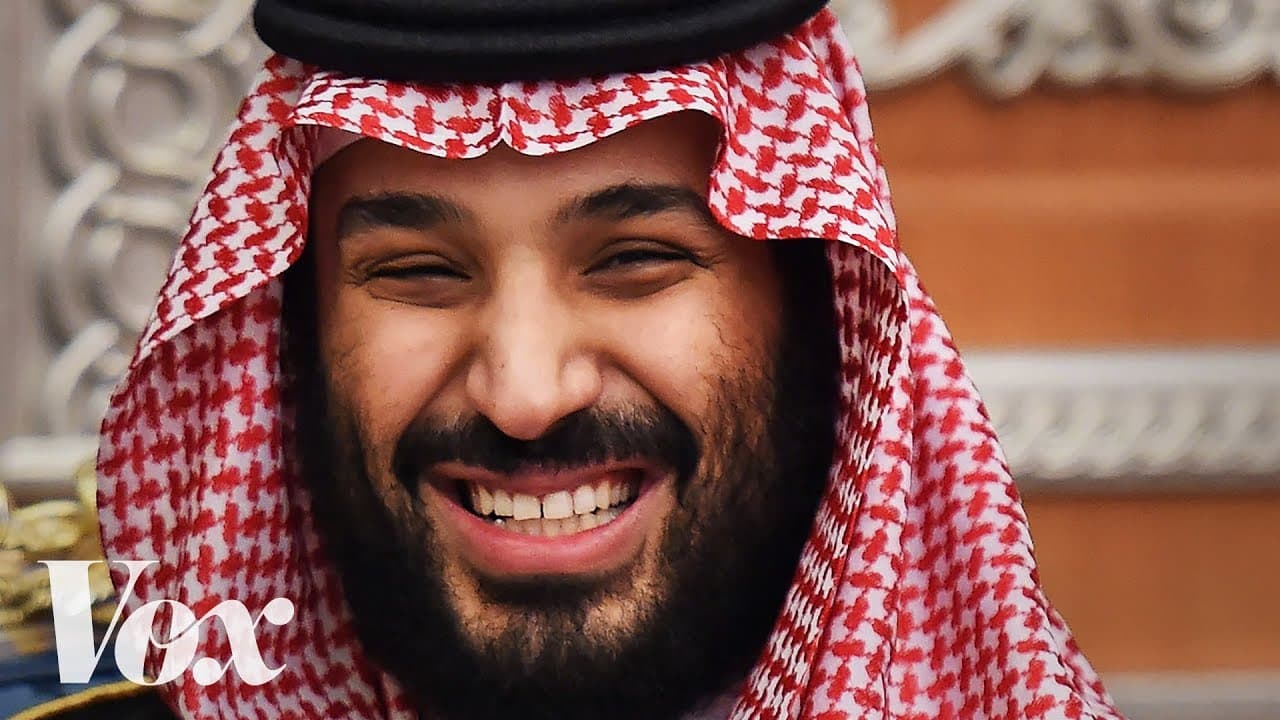
Mohammed bin Salman (MBS) seized power in Saudi Arabia through a combination of anti-corruption crackdowns, progressive social reforms, and economic diversification efforts aimed at reducing oil dependency. By consolidating authority over the royal family and challenging traditional clerical support, MBS aims to modernize the kingdom, but his reforms risk destabilizing the established social and economic structures.
Transcript
Check out these two Saudi princes. This one's the 57 year old crown prince, And this one (the one doing all the hand kissing) is his younger cousin. Listen to what the older cousin is saying: He’s being forced to give up his power and to pass the crown prince title to his younger cousin, a guy who's almost half his age. This is Mohammed bin Salman.... Read More
Key Insights
- Mohammed bin Salman, known as MBS, has swiftly consolidated power in Saudi Arabia, becoming the crown prince in June 2017.
- MBS's opposition to Iran aligns him with the White House, reflecting his broader strategy to assert dominance in the Middle East.
- His anti-corruption crackdown targeted royal family members, though it appears to serve as a power consolidation tactic rather than genuine fiscal reform.
- MBS has implemented progressive social reforms, like allowing women to drive, to modernize Saudi society and strengthen his control.
- The Saudi royal family's legitimacy is traditionally supported by conservative Islamic clerics, a balance MBS is challenging by arresting dissenting clerics.
- Saudi Arabia's economy heavily relies on oil, a dependency MBS aims to reduce through privatization and economic diversification.
- The proposed economic reforms threaten the subsidized lifestyle of Saudi citizens, potentially destabilizing public support for the monarchy.
- MBS's reforms could disrupt the foundational pillars of Saudi society, risking instability in an otherwise stable Middle Eastern country.
Install to Summarize YouTube Videos and Get Transcripts
Explore YouTube Video Summarizer or Get YouTube Transcript Extractor
Questions & Answers
Q: How did MBS consolidate power in Saudi Arabia?
MBS consolidated power by becoming the crown prince in June 2017, a position that allowed him to implement significant reforms and assert dominance within the royal family. He conducted an anti-corruption crackdown, detaining several royal family members, which, while branded as fiscally responsible, also served to eliminate potential rivals and strengthen his grip on power.
Q: What are MBS's views on Iran?
MBS has a vehement opposition to Iran, viewing it as a regional adversary. This stance aligns him with the White House, reflecting his broader strategy to assert Saudi dominance in the Middle East. His policies against Iran are part of his larger geopolitical ambitions to position Saudi Arabia as a leading power in the region.
Q: What social reforms has MBS implemented?
MBS has implemented several progressive social reforms, including stripping the religious police of their arresting powers and expanding women's rights, notably granting them the right to drive. These changes aim to modernize Saudi society, though they also serve to consolidate MBS's power by appealing to more liberal segments of the population and reducing the influence of conservative clerics.
Q: How does MBS's approach challenge traditional Saudi power structures?
MBS's approach challenges traditional Saudi power structures by arresting hardline clerics who oppose his reforms, thus disrupting the longstanding pact between the royal family and the religious establishment. This balance has historically provided legitimacy to the Saud family, and MBS's actions risk destabilizing this foundational pillar of Saudi society.
Q: What are the potential risks of MBS's economic reforms?
MBS's economic reforms aim to reduce Saudi Arabia's dependency on oil by privatizing sectors and diversifying the economy. However, these changes threaten the subsidized lifestyle that many Saudi citizens enjoy, risking public dissatisfaction and potentially destabilizing the monarchy's support, which has traditionally been bolstered by generous state benefits funded by oil revenues.
Q: Why is Saudi Arabia's reliance on oil considered dangerous?
Saudi Arabia's reliance on oil is considered dangerous because it makes the economy vulnerable to fluctuations in global oil prices, as seen in 2014 when prices dropped significantly. This dependency poses a risk to the kingdom's financial stability and highlights the need for economic diversification to prepare for a future where oil may not be as lucrative.
Q: How might MBS's reforms impact Saudi Arabia's stability?
MBS's reforms, while modernizing, could impact Saudi Arabia's stability by disrupting the traditional balance of power between the royal family and religious clerics. Additionally, economic changes that threaten citizens' subsidized benefits could lead to public unrest, challenging the monarchy's longstanding stability in the region.
Q: What is the significance of MBS's rise to power for the Middle East?
MBS's rise to power is significant for the Middle East as it marks a shift in Saudi Arabia's internal and external policies. His assertive stance against Iran and efforts to modernize the kingdom could alter regional dynamics, potentially leading to new alliances and conflicts, while also influencing other Gulf states' approaches to governance and reform.
Summary & Key Takeaways
-
Mohammed bin Salman, often referred to as MBS, became Saudi Arabia's crown prince in June 2017, rapidly consolidating power and initiating significant reforms within the kingdom.
-
MBS's policies include a crackdown on corruption, progressive social changes, and economic diversification, aiming to reduce Saudi Arabia's reliance on oil revenues.
-
While these reforms modernize the kingdom, they also challenge traditional power structures, potentially destabilizing the societal and economic foundations of Saudi Arabia.
Read in Other Languages (beta)
Share This Summary 📚
Summarize YouTube Videos and Get Video Transcripts with 1-Click
Try YouTube Summary with ChatGPT & Claude or YouTube Transcript Generator
Explore More Summaries from Vox 📚


Summarize YouTube Videos and Get Video Transcripts with 1-Click
Try YouTube Summary with ChatGPT & Claude or YouTube Transcript Generator