The Ultimate Toolkit for CREATING New Habits: The Science Made Easy | The Mel Robbins Podcast
TL;DR
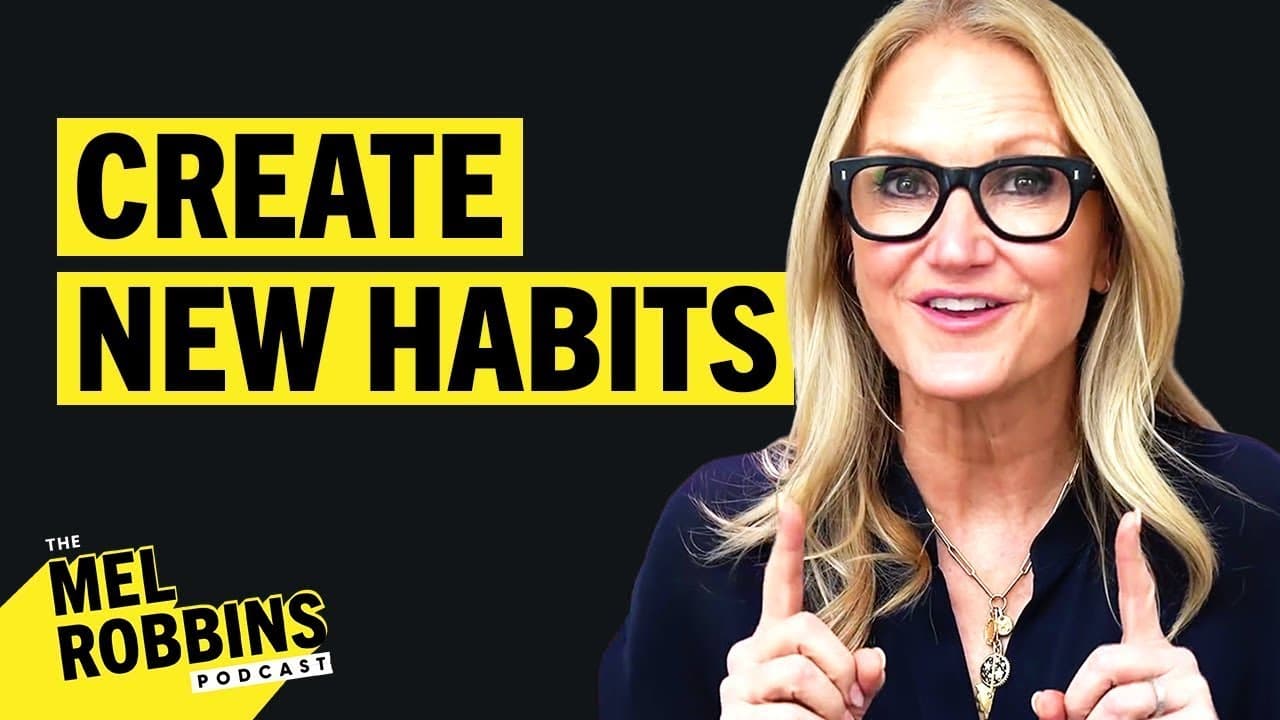
To create a lasting habit, combine three essential parts: a cue or trigger, the behavior, and a reward. Repeating the behavior provides evidence that you are becoming a different person, so your identity can begin changing before you achieve the larger goal. Habit formation can take 18 to 254 days, and missing one day does not erase your progress. Read on to understand how habits become automatic and support meaningful change.
Transcript
foreign yes there is a way to unlock Sudden Change and it's called habits and that's what we're all going to talk about today if you're somebody who's struggling to change like maybe you're trying to become a better student or you want to be better with your money or more organized or you'd love a rock solid morning routine you're gonna love this e... Read More
Key Insights
- 🧑 Change is facilitated through habits, which provide evidence of becoming a different person.
- ⛑️ Habits require three steps: cue, behavior, and reward, to make them automatic.
- 🥳 The duration of habit formation varies, and missing a day does not halt progress.
Install to Summarize YouTube Videos and Get Transcripts
Explore YouTube Video Summarizer or Get YouTube Transcript Extractor
Questions & Answers
Q: How do you create a new habit that sticks?
Build the habit around three required parts: a cue or trigger, the behavior itself, and a reward. Together, these parts help encode the habit in your brain as a new automatic behavior.
Q: What are the three parts of a habit?
The three parts are a cue or trigger, a behavior, and a reward. The trigger prompts the behavior, while the reward reinforces it and helps the behavior become automatic.
Q: Can habits create significant change in a short period of time?
Yes, habits can quickly change how you view yourself, even though achieving the final goal still takes time. Repeated actions become evidence of a new identity, such as seeing yourself as a runner after consistently completing training runs.
Q: Do habits form in 21 days?
Not necessarily; habit formation can take anywhere from 18 to 254 days, depending on the person and context. There is no single formation period that applies to everyone.
Q: What happens if you miss one day while forming a habit?
Missing one day does not significantly disrupt habit formation or erase your progress. You can continue practicing the habit without treating the missed day as a complete reset.
Q: How can habits change your identity?
Each repetition gives you evidence that you are the kind of person who performs that behavior. Habits begin as things you do, but over time they can change how you relate to yourself and who you believe you are.
Q: How do daily habits support long-term goals?
Daily habits create small changes that compound while you work toward a larger result. For example, a daily training run can make you see yourself as a runner within days, even though finishing a first marathon will take more time.
Q: Can understanding habit structure help break bad habits?
Yes, understanding the cue, behavior, and reward is useful for both creating new habits and breaking old ones. Examining those three parts helps reveal how an unwanted behavior is prompted and reinforced.
Summary & Key Takeaways
-
Habits are the evidence that you are becoming a different person and experiencing significant change.
-
Making a habit stick requires three essential steps: cue or trigger, behavior, and reward.
-
Change doesn't happen overnight, but with daily habit formation, change compounds and transforms your identity.
Read in Other Languages (beta)
Share This Summary 📚
Summarize YouTube Videos and Get Video Transcripts with 1-Click
Try YouTube Summary with ChatGPT & Claude or YouTube Transcript Generator
Explore More Summaries from The Mel Robbins Podcast 📚



Summarize YouTube Videos and Get Video Transcripts with 1-Click
Try YouTube Summary with ChatGPT & Claude or YouTube Transcript Generator