How Did the January 6 Election Plan Work?
TL;DR
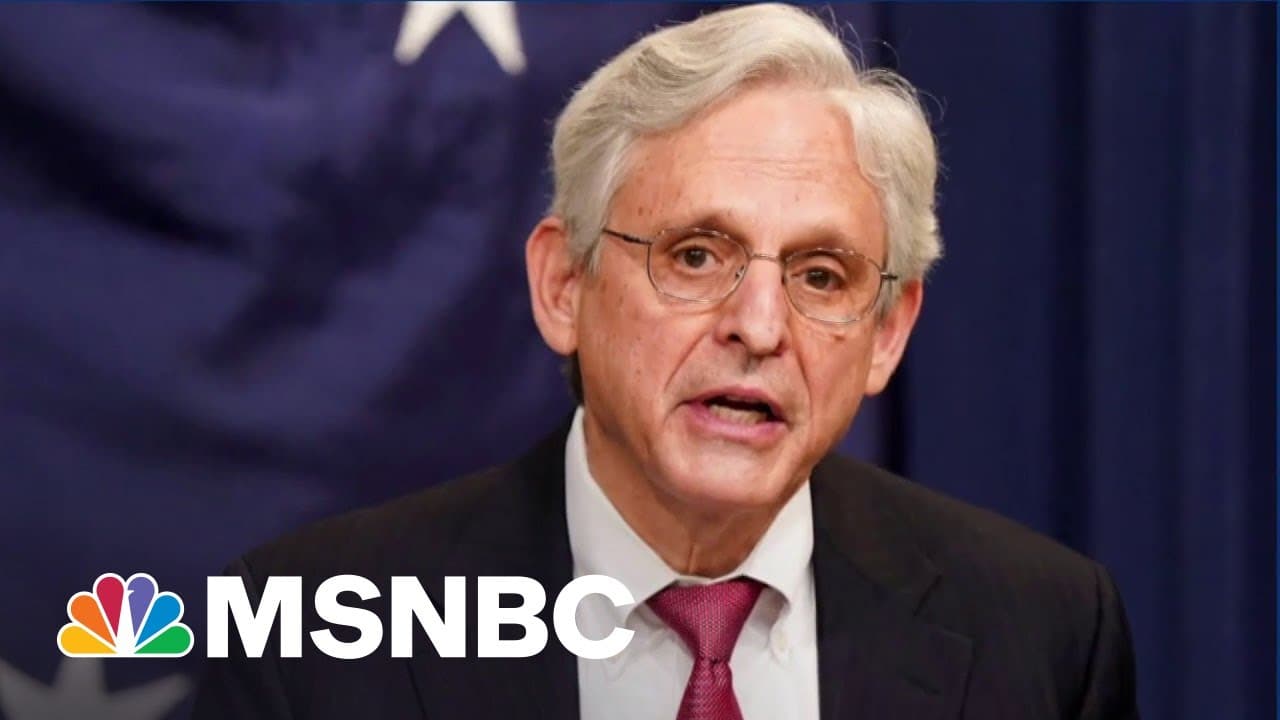
The alleged plan sought to manufacture confusion over electoral slates, disrupt certification, and push the presidential decision into a House vote conducted by state delegations. The January 6 Committee’s report described evidence connecting these efforts and urged the Justice Department and Attorney General Merrick Garland to consider criminal accountability for Trump and alleged co-conspirators.
Transcript
this new report makes the shrewd point that the plotters didn't think sending around elective fraud would Max like magically deliver Trump a win having a bunch of made-up fraud and Electro slates though could drive the chaos of the certification well this is all weeks weeks before Trump was pushing the January 6 Gathering here's Rud... Read More
Key Insights
- The alleged strategy was designed to create confusion rather than make unsupported fraud claims directly produce a Trump victory. Competing electoral slates and disputes in Congress could make the certification appear contested, creating an opportunity to redirect the election into another constitutional procedure.
- The 12th Amendment mechanism described in the report allows the House to choose the president by state delegation when no candidate has an electoral majority. Each state receives one vote, making control of state delegations more important than the total number of individual representatives.
- Republicans controlled a 27-state margin among House delegations in 2020, according to the segment. Melber argues that this advantage explains why Trump’s strategists viewed a contingent election as a potentially workable path if they could first manufacture a certification crisis.
- Mark Meadows’s emails provided investigators with evidence about the proposed use of competing electoral slates and congressional confusion. The segment says one forwarded email contained a memo describing how disputes could turn January 6 into a congressional fight overseen by Vice President Pence.
- Pressure on state officials included meetings, telephone calls, voicemails, public demands, and conduct that became dangerous before January 6. A quoted recollection states that Giuliani’s team had many theories but lacked evidence, highlighting the gap between their allegations and their factual support.
- Secrecy was important to the alleged plan because disclosure could remove surprise and expose its purpose. Melber says Trump did not publicly discuss an intention to go to the Capitol, while many supporters who stormed the building apparently did not know about the proposed House delegation endgame.
- The new congressional law discussed in the segment was intended to protect the January 6 certification process against bloodless attempts to overturn an election. It passed the House after receiving support from 18 Republican senators, reflecting concern about vulnerabilities revealed by the committee’s investigation.
- Criminal referrals do not themselves establish guilt or produce indictments. Melber presents the committee’s report and supporting materials as evidence for the Justice Department to examine, while arguing that Attorney General Garland must ensure prosecutors place the facts before the justice system without fear or favor.
Install to Summarize YouTube Videos and Get Transcripts
Explore YouTube Video Summarizer or Get YouTube Transcript Extractor
Questions & Answers
Q: How did the alleged January 6 election plan work?
The alleged plan sought to create confusion through purported alternative electoral slates, pressure on state officials, congressional objections, Vice President Pence’s role, and disruption of certification. That manufactured crisis could support a claim that no candidate possessed an electoral majority, allowing the election to move into a House process where each state delegation would cast one vote.
Q: Why were alternative electoral slates important to the plan?
Alternative electoral slates could create competing claims about which electoral votes Congress should recognize. According to the segment, the organizers did not expect unsupported fraud allegations alone to deliver a victory. Instead, disputed slates could generate chaos during certification, make the result appear genuinely contested, and help justify moving the decision into a different constitutional process.
Q: What role would the 12th Amendment have played?
The 12th Amendment provided the alleged plan’s proposed endgame. If the disruption caused Congress to treat the election as lacking an electoral majority, the House could select the president. That vote would not follow the ordinary one-member, one-vote method. Each state would cast one vote through its delegation, changing the political balance of the decision.
Q: Why did the 27-state Republican margin matter?
Republicans controlled 27 state delegations in the House in 2020, according to the segment. Because a contingent presidential election would give each state one vote, that margin could allow a party-line delegation vote to favor Trump. Melber argues that Trump’s strategists privately emphasized this advantage when considering how a manufactured electoral dispute might produce a victory.
Q: What evidence did the January 6 Committee uncover?
The committee obtained Mark Meadows’s emails, including a forwarded memo discussing confusion over electors, and documented efforts involving Giuliani, state officials, congressional certification, Pence, and the events of January 6. The report combined testimony, communications, independent reporting, and other supporting materials to describe how several alleged schemes intersected around the certification process.
Q: Why does the segment emphasize secrecy around the alleged plan?
Melber argues that secrecy protected both the element of surprise and the plan’s participants from openly revealing an incriminating objective. Trump did not publicly announce a plan to go to the Capitol, and many supporters who stormed it apparently did not know about the proposed state-delegation vote. Public disclosure could have exposed and disrupted the alleged endgame.
Q: What did Congress change after investigating January 6?
Congress passed a new law intended to protect the certification process from bloodless efforts to overturn an election. The segment says the measure passed the House after 18 Republican senators supported it. Melber presents the reform as a consequence of the committee’s detailed investigation into procedural vulnerabilities, while distinguishing it from measures addressing the physical attack on the Capitol.
Q: Why did Ari Melber call for the Justice Department to act?
Melber argues that the committee’s report and supporting materials provide the Justice Department with a detailed evidentiary record and a blueprint for evaluating possible indictments. He says Attorney General Merrick Garland must see and assess those facts so prosecutors can place appropriate evidence before the justice system. The committee’s referrals themselves do not decide criminal liability.
Summary & Key Takeaways
-
The report describes a strategy involving purported alternative electoral slates, pressure on state officials, congressional objections, Vice President Pence, and disruption of the January 6 certification. According to Melber, these components were intended to create enough uncertainty to portray the presidential election as genuinely contested and prevent its ordinary resolution.
-
The alleged endgame was a contingent election under the 12th Amendment. If neither candidate were treated as holding an electoral majority, the House could choose the president through one vote per state rather than one vote per representative. Republican delegations held a 27-state margin that could favor Trump.
-
Melber argues that the committee assembled an extensive evidentiary record and handed a prosecutorial blueprint to the Justice Department. He says reforms to the certification process address future bloodless attempts, but legislation alone cannot establish accountability for past conduct. Garland and federal prosecutors must independently evaluate the committee’s evidence.
Read in Other Languages (beta)
Share This Summary 📚
Summarize YouTube Videos and Get Video Transcripts with 1-Click
Try YouTube Summary with ChatGPT & Claude or YouTube Transcript Generator
Explore More Summaries from MS NOW 📚



Summarize YouTube Videos and Get Video Transcripts with 1-Click
Try YouTube Summary with ChatGPT & Claude or YouTube Transcript Generator