How Does U.S. Policy Shape the Russia-Ukraine War?
TL;DR
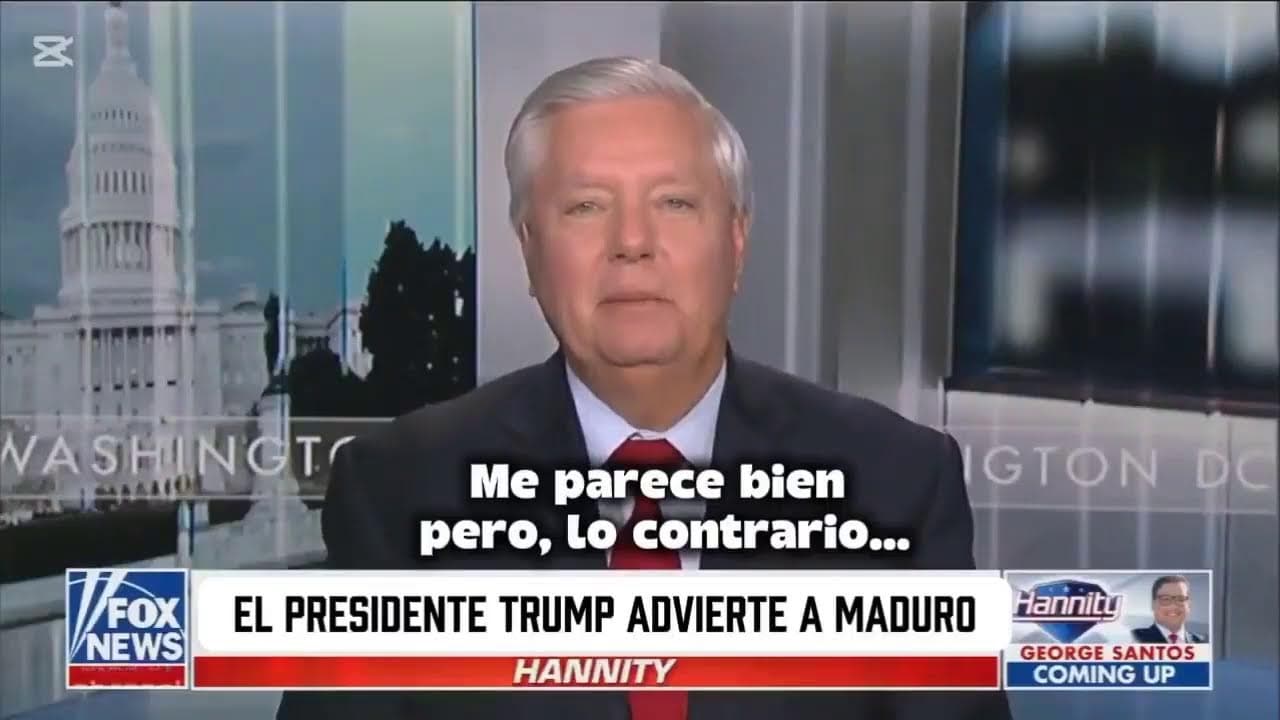
Scott Ritter argues that Donald Trump now owns the Ukraine war because his administration approved deeper Ukrainian strikes, imposed sanctions on major Russian energy producers, and pursued pressure intended to weaken Russia’s economy. He predicts these measures will not change the battlefield outcome, but will damage relations with Moscow and increase the danger of Russian retaliation against American or European targets.
Transcript
Heat. Heat. Hi everyone, Judge Andrew Npalitano here for Judging Freedom. Today is Thursday, October 23rd, 2025. Scott Ritter is here back from his week in Moscow on Moscow and Ukraine. Russia and Ukraine. What are the state of What is the state of things now? But first, this. History tells us every market eventually falls. Currencies collapse. And... Read More
Key Insights
- Ritter’s central claim is that the Ukraine conflict belongs politically to Donald Trump because Trump’s first administration established policies that Joe Biden later implemented, including CIA operations inside Ukraine, Ukrainian military training, and authorization for covert activity on Russian territory.
- The current escalation is described as broader than weapons transfers because Ritter says Trump has permitted deeper Ukrainian strikes, imposed sanctions on Russia’s two largest energy producers, and encouraged other countries to turn against Moscow through coordinated economic and diplomatic pressure.
- Long-range Western weapons are portrayed as a direct escalation because Ritter argues that their use against Russian territory requires approval and support from the countries supplying them. He says Moscow would therefore hold American or European participants responsible for resulting attacks.
- Russia’s warning is presented as credible because Ritter says Vladimir Putin threatened catastrophic consequences for both Ukraine and Europe if European long-range weapons strike Russian territory. Ritter interprets this language as notice that Russia could retaliate against targets located within Europe.
- Tomahawk missiles are described as unlikely to transform battlefield conditions, but Ritter argues that their use against Russia would fundamentally damage Moscow’s relationship with Washington. He says Russia would not allow an American missile strike on Russian soil to occur without retaliating against American targets.
- The sanctions strategy is described as an economic war because Ritter says the United States targeted Rosneft and Lukoil with the stated goal of collapsing Russia’s economy. He links this pressure to a wider effort aimed at weakening or replacing Vladimir Putin’s administration.
- The Gaza ceasefire is characterized by Ritter as a temporary arrangement that enabled an exchange of Israeli hostages for more than 1,000 Palestinian prisoners plus several hundred others. He argues that Israel’s continuing attacks demonstrate that it does not intend to honor the agreement.
- The proposed development inside Gaza is portrayed as an attempt to create a protected community for Palestinians who cooperate with Israel. Ritter predicts that Hamas will target alleged collaborators and that Israeli forces will resume extensive bombing of the remaining territory.
Install to Summarize YouTube Videos and Get Transcripts
Explore YouTube Video Summarizer or Get YouTube Transcript Extractor
Questions & Answers
Q: Why does Scott Ritter call the Ukraine conflict Trump’s war?
Scott Ritter calls it Trump’s war because he says Donald Trump’s first administration approved key elements of the policy later pursued under Joe Biden. Ritter cites the placement of 20 CIA bases inside Ukraine, authorization for covert operations on Russian soil, and training that reportedly prepared one Ukrainian battalion every 55 days for deployment in the east. He also points to Trump’s current sanctions and approval of deeper strikes.
Q: How could long-range Western missiles escalate the Ukraine war?
Ritter argues that long-range Western missiles could escalate the war because attacks deep inside Russia would require authorization and practical support from the supplying countries. He says Moscow would treat such strikes as direct foreign participation rather than independent Ukrainian action. According to his interpretation, Russia could answer by attacking American or European targets, creating a path toward direct military confrontation.
Q: What did Vladimir Putin warn Europe about long-range strikes?
According to the discussion, Vladimir Putin warned Ukraine and Europe that a European long-range weapon striking Russian territory would bring catastrophic consequences for both Ukraine and Europe. Ritter interprets this warning as an indication that Russia is prepared to strike targets in Europe if European weapons are used. He stresses that Moscow is not bluffing and views repeated escalation as increasingly intolerable.
Q: Why does Ritter think Trump backed away from supplying Tomahawks?
Ritter believes Trump backed away because Russian officials made clear that a Tomahawk strike on Russian soil would lead to retaliation against American targets. He says the missiles would not materially alter the battlefield, but Russia could not allow the United States to participate in such an attack without consequences. Ritter presents the perceived danger of direct retaliation as the decisive deterrent.
Q: What is the purpose of sanctions on Rosneft and Lukoil?
Ritter says sanctions on Rosneft and Lukoil are designed to weaken and ultimately collapse the Russian economy. He attributes that objective to Treasury Secretary Scott Bessent and describes it as part of a larger effort to compel Vladimir Putin to abandon the war. Ritter also characterizes the campaign as a regime-change operation, while predicting that it will fail to change the battlefield outcome.
Q: How does Ritter assess the likely effect of economic pressure on Russia?
Ritter predicts that economic pressure will not force Russia to leave the war or change the military situation. He says Trump is acting on the belief that Russia’s economy is weak enough to collapse under sanctions against its major energy producers. Ritter rejects that assumption and argues that the more likely result is worsening relations between Russia and the United States alongside continued military escalation.
Q: What does Ritter say the Gaza hostage exchange accomplished?
Ritter says Hamas took hostages as bargaining currency for Palestinians held by Israel and that the exchange accomplished that limited purpose. According to him, Israel released more than 1,000 Palestinian prisoners plus several hundred others. Although he says he does not support hostage-taking, he argues that Hamas obtained the result it sought and therefore had no further benefit from retaining the captives.
Q: What future does Ritter predict for Gaza after the ceasefire?
Ritter predicts that the ceasefire will not produce durable peace. He says a portion of Gaza may be developed for Palestinians willing to cooperate with Israel, effectively creating a protected community within the territory. He expects Hamas to attack people it regards as collaborators and predicts that Israeli forces will return to extensive bombing of what remains in Gaza.
Summary & Key Takeaways
-
Ritter characterizes the Ukraine conflict as Donald Trump’s war, citing policies from Trump’s first presidency, including CIA activity inside Ukraine, Ukrainian military training, and authorization for covert operations on Russian soil. He argues that later efforts to distance Trump from the conflict cannot overcome this earlier involvement or current escalation.
-
The discussion focuses on reported authorization for Ukraine to use long-range weapons deeper inside Russia. Ritter says Russia regards Western-supplied strikes as direct foreign involvement. He interprets Vladimir Putin’s warning of catastrophic consequences for Ukraine and Europe as a credible threat of retaliation rather than diplomatic posturing or an empty bluff.
-
Ritter argues that sanctions against Rosneft and Lukoil are part of an economic pressure campaign intended to collapse Russia’s economy and force Putin to abandon the war. He predicts that this strategy will fail, leave battlefield conditions unchanged, damage relations between Moscow and Washington, and raise the risk of direct confrontation.
Read in Other Languages (beta)
Share This Summary 📚
Summarize YouTube Videos and Get Video Transcripts with 1-Click
Try YouTube Summary with ChatGPT & Claude or YouTube Transcript Generator
Explore More Summaries from Judge Napolitano - Judging Freedom 📚
Summarize YouTube Videos and Get Video Transcripts with 1-Click
Try YouTube Summary with ChatGPT & Claude or YouTube Transcript Generator