How to Sustain Momentum Through a Sales Funnel
TL;DR
Sustain conversion momentum by asking for the next appropriate micro yes instead of presenting a difficult action before visitors understand its value. Each message should reduce the perceived cost of continuing, establish that the offer is safe and helpful, and guide people through a sequence of increasingly demanding decisions toward the macro yes.
Transcript
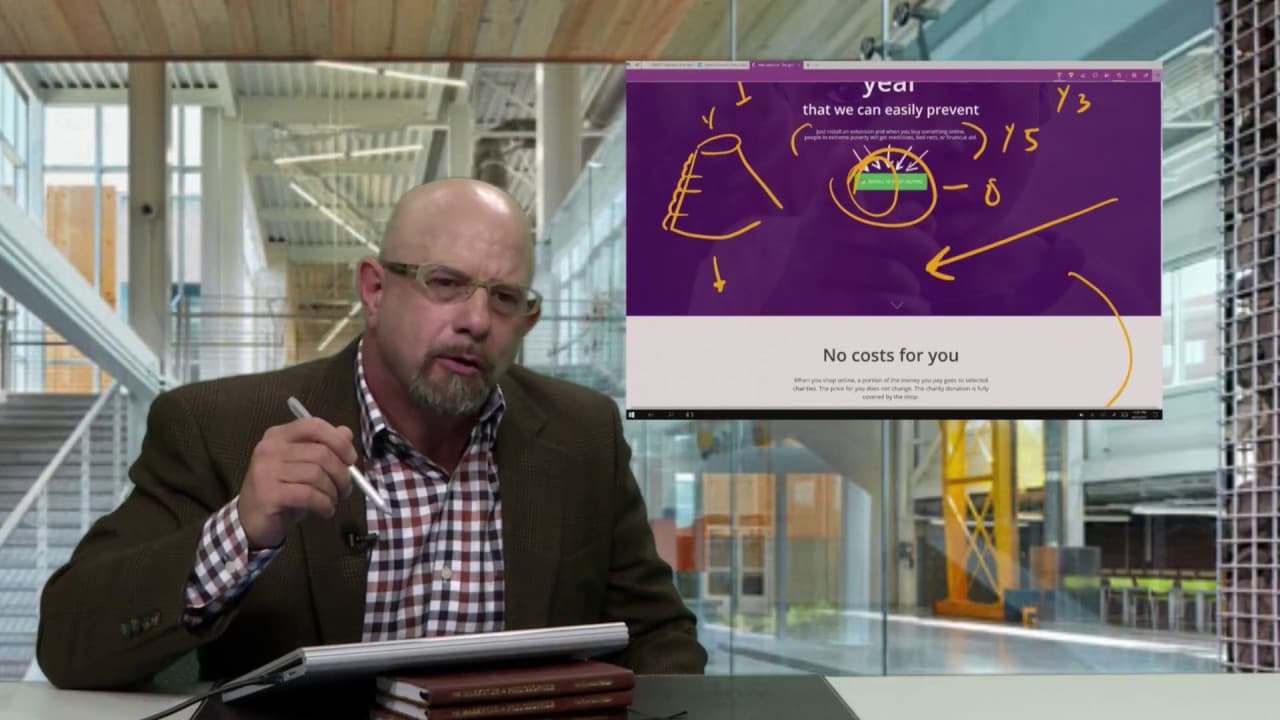
all right so we have a page submitted for today's quick win clinic it's an interesting page and please take a moment to actually read the page this this is an organization that can truly help people and so we want to help them and even you're watching of this clinic might help them because there's a difference you can make by responding to what the... Read More
Key Insights
- A sales funnel is a sequence of decisions rather than a mechanism that automatically moves people toward conversion. Visitors can leave at every stage, so the message must earn each successive micro yes before asking for the final macro yes.
- A headline should capture attention and convert it into interest. The reviewed headline does both by presenting more than 500 thousand deaths a year that can easily be prevented, although emphasizing prevention more strongly could increase its power.
- Attention is a real cost even when an offer requires no money. Once visitors have invested attention in a headline, every additional block of small text, explanation, or requested action creates another cost that must be justified by perceived value.
- Momentum depends on the visitor's previous thought sequence. Someone who arrives after a trusted friend has explained and demonstrated the opportunity may click immediately, while an unfamiliar visitor needs additional information before accepting the same level of risk.
- Every micro yes carries a different degree of difficulty. Reading a headline may require little effort, but examining small text and clicking an install button require greater commitment, especially when visitors do not yet understand what will happen.
- The next conversion goal is sometimes continued attention rather than the final action. Before promoting installation, the page must persuade visitors that reading and understanding the supporting explanation is worth their time.
- Layered information reduces the cost of comprehension. A concise explanation should communicate the central value quickly, while links can reveal additional details for visitors who need more evidence without forcing everyone to digest the entire page.
- Trust grows through appropriately sequenced requests. Marketing communication is a relationship that requires increasing degrees of trust, so asking for too much too soon can destroy the opportunity before visitors reach the intended conclusion.
Install to Summarize YouTube Videos and Get Transcripts
Explore YouTube Video Summarizer or Get YouTube Transcript Extractor
Questions & Answers
Q: How do you sustain momentum through a sales funnel?
Sustain momentum by matching each request to the visitor's current level of knowledge, motivation, and trust. Begin with an easy micro yes, such as earning attention, then provide enough value to justify the next decision. Reduce unnecessary reading costs, explain why continuing is worthwhile, and delay difficult actions until visitors can conclude that the offer is safe and could help somebody.
Q: What is a micro yes in a sales funnel?
A micro yes is a small decision that moves a visitor toward the larger conversion decision, called the macro yes. Reading a headline, developing interest, examining supporting text, and deciding to click can each function as micro yeses. These decisions vary in difficulty, so the message at every stage must provide enough perceived reward to justify the visitor's time, attention, and risk.
Q: Why should a page avoid asking for installation too soon?
An early installation request can exceed the momentum created by the preceding message. Visitors who only know that more than 500 thousand deaths a year can be prevented may be interested, but they may not yet understand the installation, its safety, or its potential benefit. Without that understanding, the perceived risk of clicking is greater than the reward established by the page.
Q: Why is a free offer still costly to a visitor?
A free offer still costs the visitor time, attention, and mental effort. Reading a headline is already a small payment, while examining tiny text, studying supporting information, and deciding whether an installation is safe demand larger investments. A page must either reduce these costs through simpler communication or demonstrate that the expected benefit makes the additional effort worthwhile.
Q: How does previous momentum affect conversion decisions?
Previous momentum changes how much explanation a visitor needs. If a trusted friend has already described and demonstrated the opportunity, the visitor may arrive prepared to click the install button. Someone who reaches the page without that background occupies an earlier point in the thought sequence and needs more evidence, clarity, and reassurance before making the same decision.
Q: How should complex sales page information be structured?
Complex information should begin with a concise explanation that visitors can understand quickly, then expand through layers for those who need more detail. Supporting links can reveal additional material without requiring every visitor to process the full page. This approach lowers the cost of each micro yes while preserving access to the information needed for a careful decision.
Q: What conclusions should visitors reach before installing?
Visitors should reach two central conclusions before being asked to install: the installation is safe, and it could help somebody. The page must arrange its messages so these ideas become clear before the call to action. If visitors are asked to act first or conduct extensive research without knowing why it matters, many will abandon the decision sequence.
Q: Why is trust important in sales funnel sequencing?
Trust is important because conversion involves a relationship with progressively larger requests. A small request can create an opportunity for the next interaction, while a large request made too early can end the relationship. The page should therefore help visitors reach the right conclusion at the right time, increasing commitment only as understanding, value, and confidence grow.
Summary & Key Takeaways
-
A sales funnel represents a decision set in which visitors move through multiple micro yeses before reaching the macro yes. Because people tend to fall out rather than progress automatically, each page component must account for what visitors already know and make the next decision feel proportionate to their existing motivation and trust.
-
The reviewed page captures attention with more than 500 thousand preventable deaths each year, but it introduces an install action before unfamiliar visitors have enough information. Attention is already a form of payment, and asking people to inspect small text or research extensive details increases the perceived cost before the offer has established sufficient value.
-
The recommended structure is a short, layered explanation that quickly leads visitors to two essential conclusions: the installation is safe, and it could help somebody. Additional details can remain available through links for people who need them. This sequence preserves momentum by building understanding and trust before requesting the more difficult commitment.
Read in Other Languages (beta)
Share This Summary 📚
Summarize YouTube Videos and Get Video Transcripts with 1-Click
Try YouTube Summary with ChatGPT & Claude or YouTube Transcript Generator
Explore More Summaries from Flint McGlaughlin 📚

Summarize YouTube Videos and Get Video Transcripts with 1-Click
Try YouTube Summary with ChatGPT & Claude or YouTube Transcript Generator