Adobe's Scott Belsky on the Earliest Stages of Startup Building
TL;DR
Scott Belsky’s approach to early-stage startup building is to pressure-test your conviction, make the idea tangible, and stay anchored to the customer’s problem. Before leaving his Goldman Sachs job to start Behance, he hired a freelance designer and met with that person three times a week to vet his ideas. Read on for practical guidance on evaluating feedback, choosing a market, and taking the first concrete step.
Transcript
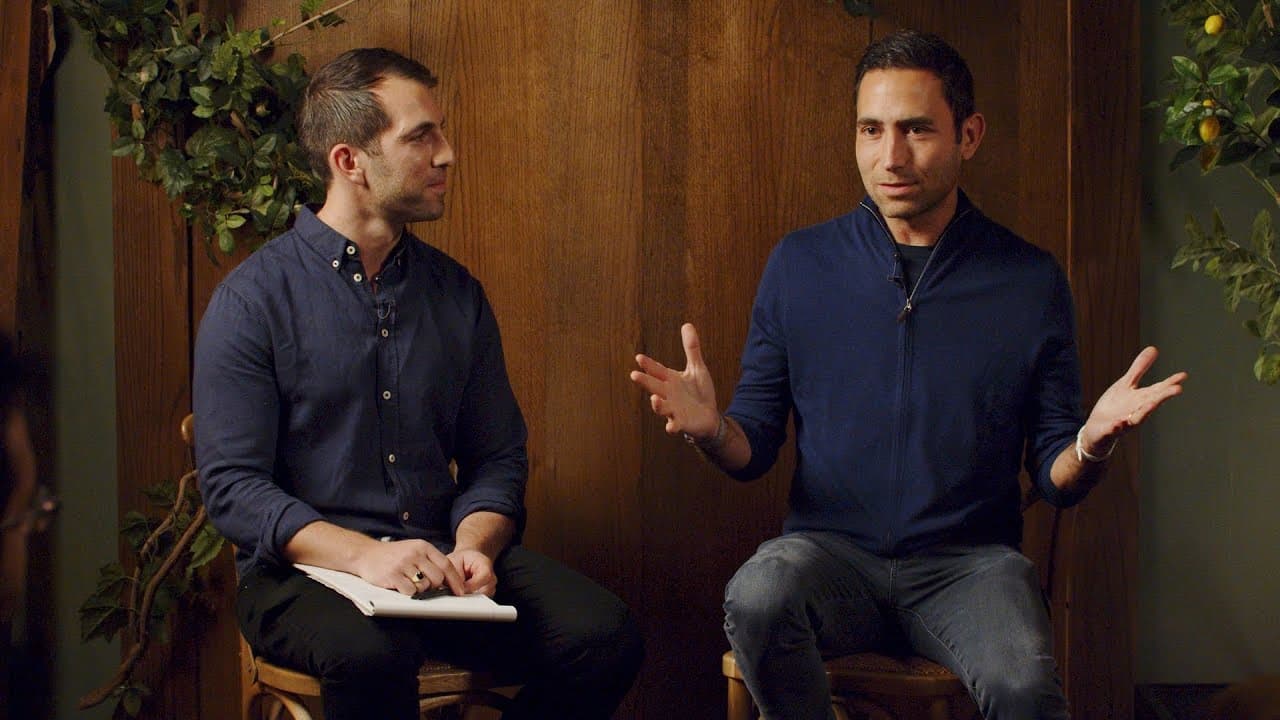
Scott thank you so much for joining us uh you've been such a generous kind of member of the New York startup ecosystem and I thought you'd be the perfect person to come you know speak with this group about uh just get into the weeds and the nuances of the process of starting companies um so maybe to kick it off uh first of all for people that don't... Read More
Key Insights
- 🤗 Naivety can provide high conviction, but it's important to pressure test ideas and be open to feedback.
- ⚓ Anchoring yourself with customers and understanding their struggles is crucial for success.
- 🥶 Chemistry, values, and complementary skill sets are important when choosing a co-founder.
- 🥺 Killing non-essential features or ideas can lead to better focus and stronger engagement.
- 👶 The potential for AI to unlock new marketplaces and networks is an exciting opportunity for startups.
- 🪛 Building AI-driven personal assistants and creating personalized experiences are areas of interest.
- 🥹 Finding edges that may become the center and creating a product that brings back a sense of knowing and familiarity holds potential.
Install to Summarize YouTube Videos and Get Transcripts
Explore YouTube Video Summarizer or Get YouTube Transcript Extractor
Questions & Answers
Q: When should you take the leap and start a company?
Scott Belsky describes the decision as both a conviction game and a making-it-real game. Pressure-test your vision with people you respect, observe whether their criticism weakens or strengthens your belief, and then take a tangible step that puts some of your own resources at stake.
Q: How should founders pressure-test a startup idea?
Write a synopsis of the idea, send it to respected people, and explicitly ask them to tear it apart. Some may identify one major question while others provide detailed feedback, but the crucial signal is whether you agree with their objections or remain convinced that they are wrong.
Q: Can being naive help an early-stage founder?
Belsky says conviction is typically highest when you know the least about the problem because naivety makes it easier to envision everything unfolding in your favor. That initial confidence can be useful, but it should be tested through candid criticism from people you respect.
Q: How can you make a startup idea feel real before quitting your job?
Take a step that makes the idea tangible and slightly uncomfortable, such as committing your own money to the work. While employed full-time at Goldman Sachs, Belsky hired a freelance designer, set aside some capital, and met with the designer three times a week to vet his ideas for Behance.
Q: How should founders choose the right market?
Start with empathy for the person suffering the problem instead of passion for a particular solution. Belsky warns that founders can do substantial work and discover a year or two later that they are 30 degrees away from product-market fit because they overlooked what customers actually cared about.
Q: Does criticism mean a startup idea is bad?
Not necessarily: Belsky says widespread doubt can mean either that the idea is misguided or that it reaches territory others are not pursuing. A founder should examine the criticism carefully and determine whether it exposes a real flaw or strengthens their conviction.
Q: What customer motivations can founders overlook?
Founders may miss motivations that determine whether someone actually adopts a product. Belsky gives examples such as an enterprise customer wanting visible credit from a boss and a consumer needing ego, analytics, or gratification within the first 30 seconds.
Q: What was the early vision behind Behance?
Belsky was exploring how to organize the creative world while addressing missing attribution and the many intermediaries taking advantage of creative people. He turned that vision into an early working process by paying a freelance designer and repeatedly meeting to test the ideas.
Summary & Key Takeaways
-
Conviction is highest when you know the least about the problem you're about to solve, so being naive can be an advantage. However, it's crucial to pressure test your ideas with respected individuals and be open to feedback.
-
Making your ideas tangible and taking steps towards making them a reality, such as hiring a freelancer or putting your own money in the game, can give you the confidence to take the leap and start a company.
-
When choosing a market to build in, it's essential to prioritize empathy for the person suffering the problem rather than being solely motivated by passion for the solution. Anchoring yourself with customers and understanding their struggles is crucial for success.
Read in Other Languages (beta)
Share This Summary 📚
Summarize YouTube Videos and Get Video Transcripts with 1-Click
Try YouTube Summary with ChatGPT & Claude or YouTube Transcript Generator
Explore More Summaries from Greylock 📚


Summarize YouTube Videos and Get Video Transcripts with 1-Click
Try YouTube Summary with ChatGPT & Claude or YouTube Transcript Generator