What Led to the Agricultural Revolution in Human History?
TL;DR
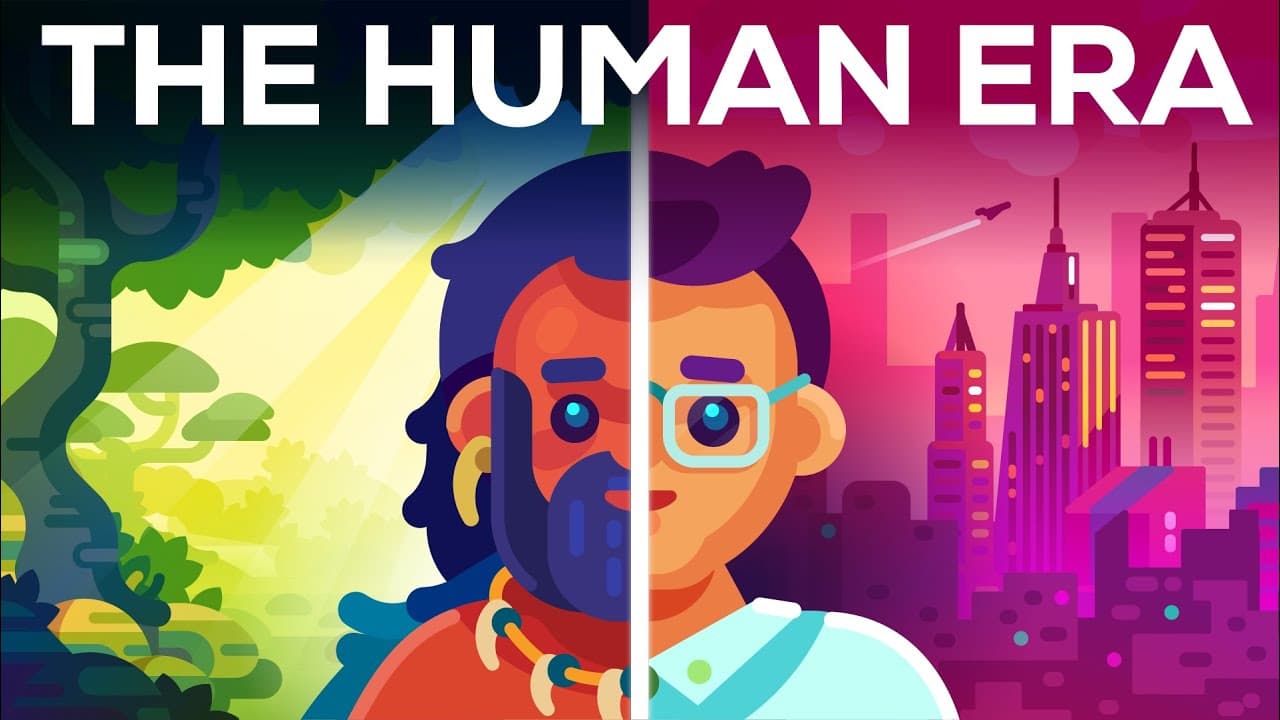
The Agricultural Revolution transformed humanity from hunter-gatherer societies to settled farming communities over a span of 20,000 years. This gradual transition enabled population growth, the establishment of villages, and advances in technology, though it also introduced challenges like limited diets and increased disease. Ultimately, it was a conscious choice made by many communities seeking stability and shared identity.
Transcript
imagine someone coming into your kitchen and taking a few tools a pan and your garbage then they bury everything in the woods twelve thousand years later an archaeologist is trying to figure out who you were what was important to you what video games you played what you believed in and what informed your decisions because you happened to live durin... Read More
Key Insights
- 🫤 Human history was relatively consistent for 2 million years until the behavioral modern humans began the transition to agriculture around 20,000 years ago.
- 👥 The agricultural revolution was a slow process of gradual change driven by small groups over many generations.
- 🥺 The transition to agriculture led to the growth of human populations, the development of settled communities, and the specialization of labor.
- ❓ The agricultural revolution also brought challenges such as limited diets, increased disease transmission, but also facilitated societal advancements.
Install to Summarize YouTube Videos and Get Transcripts
Explore YouTube Video Summarizer or Get YouTube Transcript Extractor
Questions & Answers
Q: What were the key factors that led to the transition from a hunter-gatherer lifestyle to agriculture?
The transition was driven by a combination of factors, including the discovery of the benefits of cultivating and manipulating plants, changes in climate that made agriculture possible, and the ability of humans to come together, share knowledge, and develop shared identities.
Q: How did the agricultural revolution impact human society?
The agricultural revolution led to the growth of human populations, the development of settled communities, and the specialization of labor. It also resulted in a more limited diet for some groups, increased disease transmission, but also facilitated the development of more efficient ways of producing food.
Q: Why did humans choose to transition to agriculture, giving up the freedom of a hunter-gatherer lifestyle?
The exact reasons are uncertain, but climate change and the ability to come together and share knowledge and stories are believed to have played a role. It was likely a combination of factors that motivated different communities to adopt agriculture.
Q: How did the transition to agriculture pave the way for modern civilization?
Agriculture allowed for a reliable food supply, which enabled the growth of larger communities, the specialization of labor, and the development of more complex social structures. This laid the foundation for the establishment of towns, cities, and the advancement of human culture.
Summary & Key Takeaways
-
For most of human history, our ancestors lived in small communities, relying on hunting and gathering for survival.
-
Around 20,000 years ago, behaviorally modern humans began the slow process of transitioning to agriculture, which would revolutionize their way of life.
-
Over thousands of years, agriculture expanded, leading to the rise of villages, towns, and cities, and the growth of the human population.
Read in Other Languages (beta)
Share This Summary 📚
Summarize YouTube Videos and Get Video Transcripts with 1-Click
Try YouTube Summary with ChatGPT & Claude or YouTube Transcript Generator
Explore More Summaries from Kurzgesagt – In a Nutshell 📚






Summarize YouTube Videos and Get Video Transcripts with 1-Click
Try YouTube Summary with ChatGPT & Claude or YouTube Transcript Generator