How to Review a Next.js Project for Improvements?
TL;DR
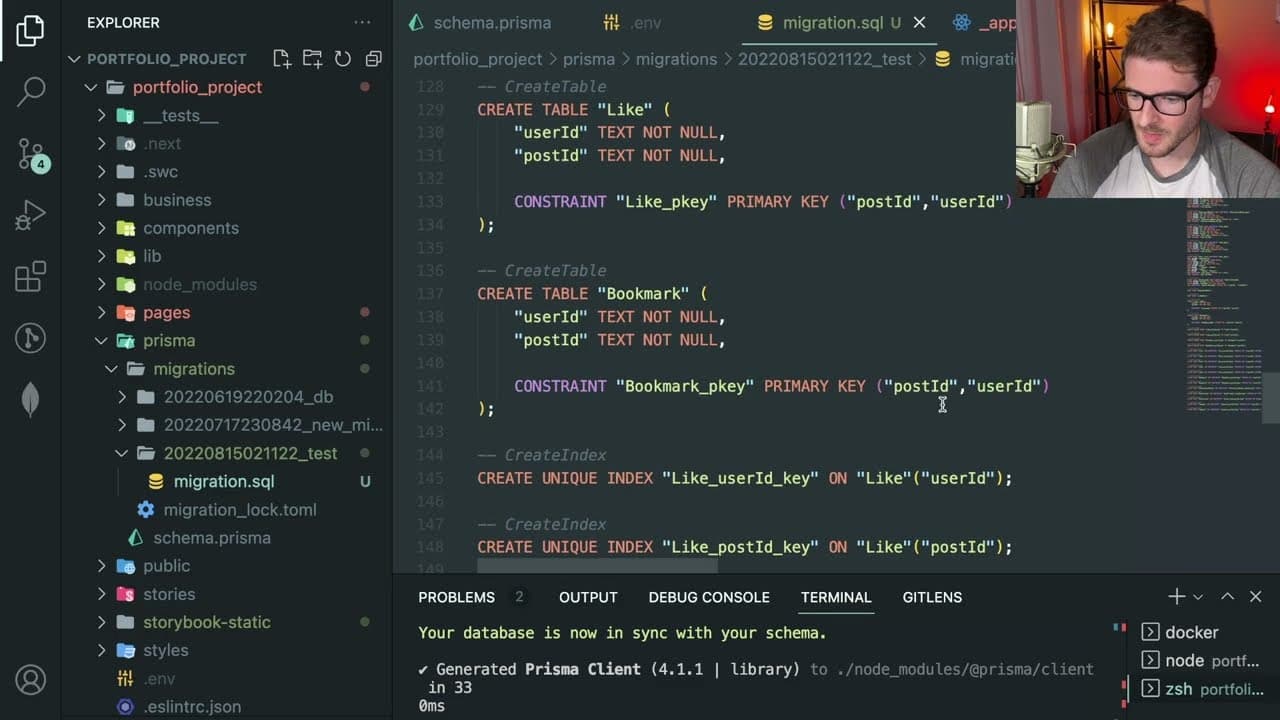
A thorough review of a subscriber's Next.js project highlights the need for better documentation, including a comprehensive README. Key recommendations include ensuring proper data validation, adhering to clean architecture principles, and maintaining consistent naming conventions to enhance code readability and maintainability.
Transcript
all right how's it going everyone i decided to change my uh little light behind me make it a little red change it up some um so one of my subscribers uh has kept asking me if i could kind of review this code and i decide i'm gonna try to do that i don't know if i'm gonna do like any type of refactoring because it doesn't have the energy right now t... Read More
Key Insights
- 👤 Documentation is vital for a smooth onboarding experience for users and contributors, making a well-structured README essential.
- 👨💻 Following clean architecture principles promotes better organization in code, improving maintenance and scalability.
- ❓ Consistent naming conventions enhance readability and understanding within a codebase, reducing potential confusion.
- 🈸 Data validation is crucial for ensuring that application logic operates correctly and maintains data integrity.
- 🥺 Abstracting API calls away from UI components can lead to cleaner separation of concerns and improved testability.
- 👨💻 Hard-coded strings should be avoided to ensure applications remain flexible and adaptable in different environments.
- ❓ Testing should be a priority, with established practices ensuring consistent performance and early detection of issues.
Install to Summarize YouTube Videos and Get Transcripts
Explore YouTube Video Summarizer or Get YouTube Transcript Extractor
Questions & Answers
Q: What issues did the reviewer face when trying to run the project?
The reviewer encountered several challenges, including the absence of a README file that explained project setup and required configurations. The need for an environment variable file and missing database tables were also noted as roadblocks, making it difficult for the reviewer to understand and run the project effectively.
Q: Why is a README file important for a project?
A README file serves as an essential guide for anyone looking to run or contribute to a project. It typically includes setup instructions, explanations of the project's functionality, and any additional resources such as diagrams or design documents. The lack of a useful README can result in confusion and frustration for new users.
Q: What architectural recommendations did the reviewer provide?
The reviewer suggested adopting a cleaner separation of concerns by restructuring the code to adhere to clean architecture principles. This includes suggestions for creating separate functions for controllers and interactors, ensuring that data validation takes place in the correct layers, and avoiding the direct invocation of database repositories within controllers.
Q: How can the project structure be improved according to clean architecture principles?
According to clean architecture principles, it is important to separate business logic from data access methods. The reviewer recommended that the project should utilize interactors to handle business rules and repository interfaces that only return raw data, allowing entities to remain unaware of database implementation details.
Q: What did the reviewer think about the naming conventions used in the code?
The reviewer expressed concern over inconsistent naming conventions within the codebase. They advised using a unified naming approach, such as sticking to either camelCase or snake_case, and ensuring that variable names are descriptive to avoid confusion and improve readability.
Q: Why is it crucial to validate data in the application?
Validating data is crucial to maintaining data integrity within an application. It ensures that invalid or incorrect data does not enter the database, which can lead to errors later on. Validation checks, especially in entity constructors, help improve the robustness of the application and prevent unintended issues.
Q: What was the reviewer's stance on using hard-coded URLs in the project?
The reviewer strongly recommended against hard-coding URLs within the project, particularly localhost references. Instead, they suggested using environment variables or constants for dynamic configuration, as hard-coded values can break functionality when transitioning from development to production environments.
Q: How important are automated tests in the context of this project review?
Automated tests are critical in ensuring that the application behaves as expected and to catch potential bugs early in the development process. The reviewer pointed out that failing tests upon review indicated that more stability and reliability were necessary, emphasizing the need for a robust testing strategy as part of the project.
Summary & Key Takeaways
-
The content involves a reviewer attempting to run and assess a subscriber's Next.js project, highlighting the necessity of proper documentation and setup instructions for better usability by others.
-
Various architectural concerns are discussed, particularly around the application of clean architecture principles, including suggestions for restructuring the code to improve organization and clarity.
-
The reviewer emphasizes the importance of validation, naming conventions, and overall code quality alongside specific recommendations for improving entity management, controller responsibilities, and the abstraction of API calls.
Read in Other Languages (beta)
Share This Summary 📚
Summarize YouTube Videos and Get Video Transcripts with 1-Click
Try YouTube Summary with ChatGPT & Claude or YouTube Transcript Generator
Explore More Summaries from Web Dev Cody 📚
Summarize YouTube Videos and Get Video Transcripts with 1-Click
Try YouTube Summary with ChatGPT & Claude or YouTube Transcript Generator