What SEO Issues Does the English Google Webmaster Central Office-Hours Hangout Address?
TL;DR
Google recommends clearly connecting mobile and desktop pages, using the disavow file when problematic links cannot be cleaned up, and redirecting old AMP and image URLs to their replacements. John Mueller explains that most websites do not need a disavow file because Google can often disregard spammy links automatically. Read on for specific guidance about indexing, page speed, AMP, redirects, and Search Console.
Transcript
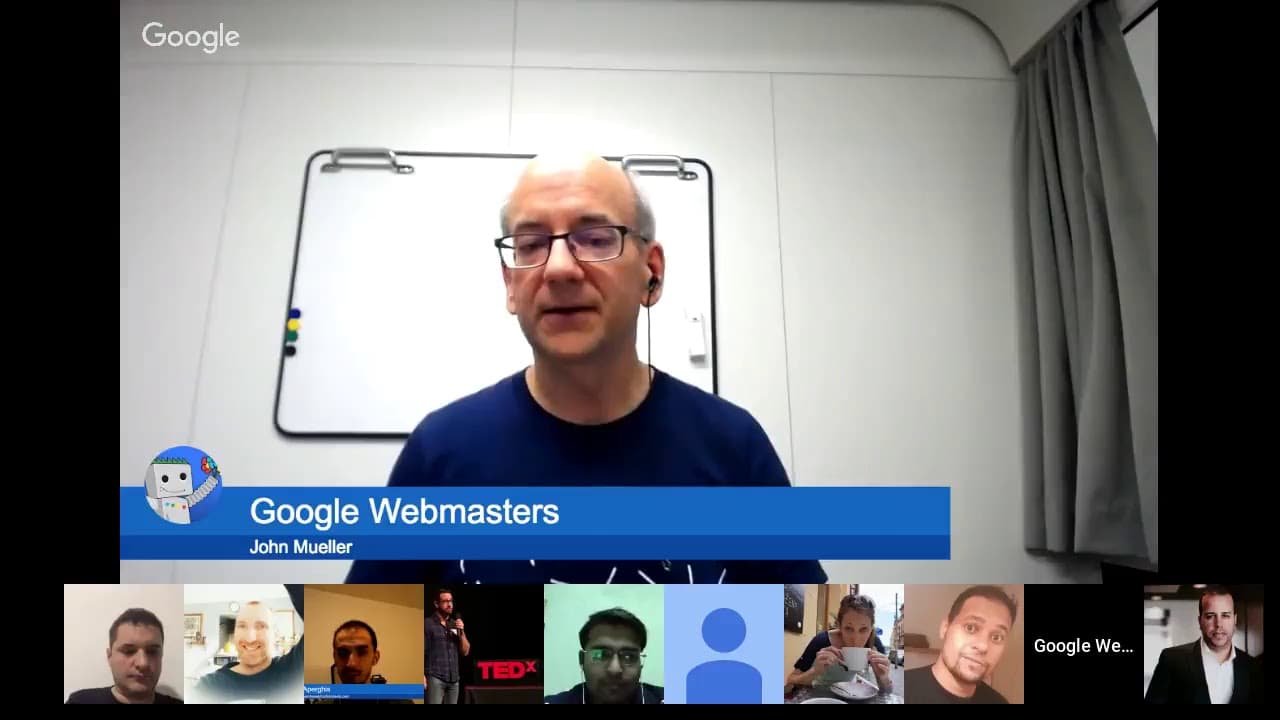
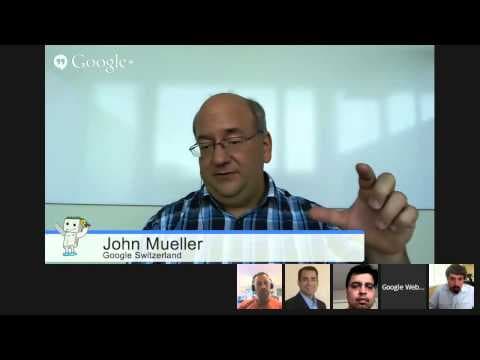
JOHN MUELLER: All right. Welcome, everyone, to today's Google Webmaster Central Office Hours Hangout. My name is John Mueller. I'm a webmaster trends analyst here at Google in Switzerland. And part of what we do are these Office Hours Hangouts where webmasters and publishers in general can jump in and ask us questions around Search and their websit... Read More
Key Insights
- Google uses Office Hours Hangouts to address webmaster queries about search and website issues.
- Proper linking between mobile and desktop pages helps Google understand site structure.
- The disavow file is useful for handling manual action link issues when you can't clean them up.
- Page speed impacts crawling and indexing; however, slight speed differences don't affect rankings.
- Automatically translated pages are considered auto-generated content and should not be indexed.
- Redirects from old to new URLs, including AMP and images, are crucial for maintaining search visibility.
- Using AMP for your entire site is possible and can improve mobile user experience.
- Google Search Console provides valuable insights into crawling and indexing issues.
Install to Summarize YouTube Videos and Get Transcripts
Explore YouTube Video Summarizer or Get YouTube Transcript Extractor
Questions & Answers
Q: How should mobile and desktop pages be connected for Google Search?
The mobile page should use a canonical pointing to its desktop counterpart, and the pages should be linked so Google understands their connection. When that connection is clear, Google can show the desktop page on desktop and the mobile page on mobile.
Q: When should a website use Google's disavow file?
The disavow file makes sense when a site has a manual action based on link issues and the problematic links cannot be removed or changed. After addressing those links, the site can submit a reconsideration request, and the web spam team will consider the disavow file when deciding whether to lift the action.
Q: Should websites disavow every spammy or toxic backlink?
No. John Mueller says most websites never need a disavow file because Google can usually take spammy or junk links out of the equation automatically. A disavow file may provide peace of mind when a larger problematic link scheme appears or links would look concerning under manual review.
Q: How often should a site review links for disavowal?
There is no need for most sites to inspect every backlink daily and classify links one by one. The frequency depends on the website, and disavowal is more relevant when a recognizable larger scheme appears that the site does not want to be associated with.
Q: Does page speed affect Google rankings and indexing?
Page speed primarily affects crawling and indexing when a site is very slow. Minor speed differences do not affect rankings, although improving speed can enhance the user experience and may benefit search performance over time.
Q: Should automatically translated pages be indexed?
No. Automatically translated pages are considered auto-generated content and should not be indexed. Translation tools can assist with creating manually translated content whose final output is accurate and meaningful for users.
Q: Why should old AMP and image URLs redirect to new URLs?
Redirects help users and search engines reach the replacement AMP pages and images. Without redirects, Google may drop the old URLs from its index, and processing the new URLs can take time.
Q: Can an entire website use AMP?
Yes, an entire website can be built with AMP. The existing guidance cites ampproject.org as a site using AMP as its primary framework and describes AMP as supporting a consistent, fast-loading mobile experience.
Summary & Key Takeaways
-
Google Webmaster Central Office Hours Hangouts provide a platform for webmasters to ask questions about search and website issues. Ensuring proper linking between mobile and desktop pages is crucial for Google to understand your site's structure. Additionally, using canonical tags and disavow files can help address link-related manual actions.
-
Page speed affects crawling and indexing, but minor speed differences don't impact rankings. Automatically translated pages should not be indexed, as they are considered auto-generated content. Redirecting old URLs to new ones, including AMP and images, helps maintain search visibility.
-
Using AMP for your entire site is possible and can enhance the mobile user experience. Google Search Console offers insights into potential crawling and indexing issues, helping webmasters identify and resolve technical problems that may affect their site's performance in search results.
Read in Other Languages (beta)
Share This Summary 📚
Summarize YouTube Videos and Get Video Transcripts with 1-Click
Try YouTube Summary with ChatGPT & Claude or YouTube Transcript Generator
Explore More Summaries from Google Search Central 📚


Summarize YouTube Videos and Get Video Transcripts with 1-Click
Try YouTube Summary with ChatGPT & Claude or YouTube Transcript Generator