Why Is Linoleum Flooring Making a Comeback Today?
TL;DR
Linoleum is making a comeback due to its eco-friendly qualities and versatility in design. Initially a luxury flooring option invented in 1855, it offers durability and sustainability, appealing to modern consumers. Its production primarily uses renewable materials, making it a stylish choice for trendy and environmentally conscious spaces.
Transcript
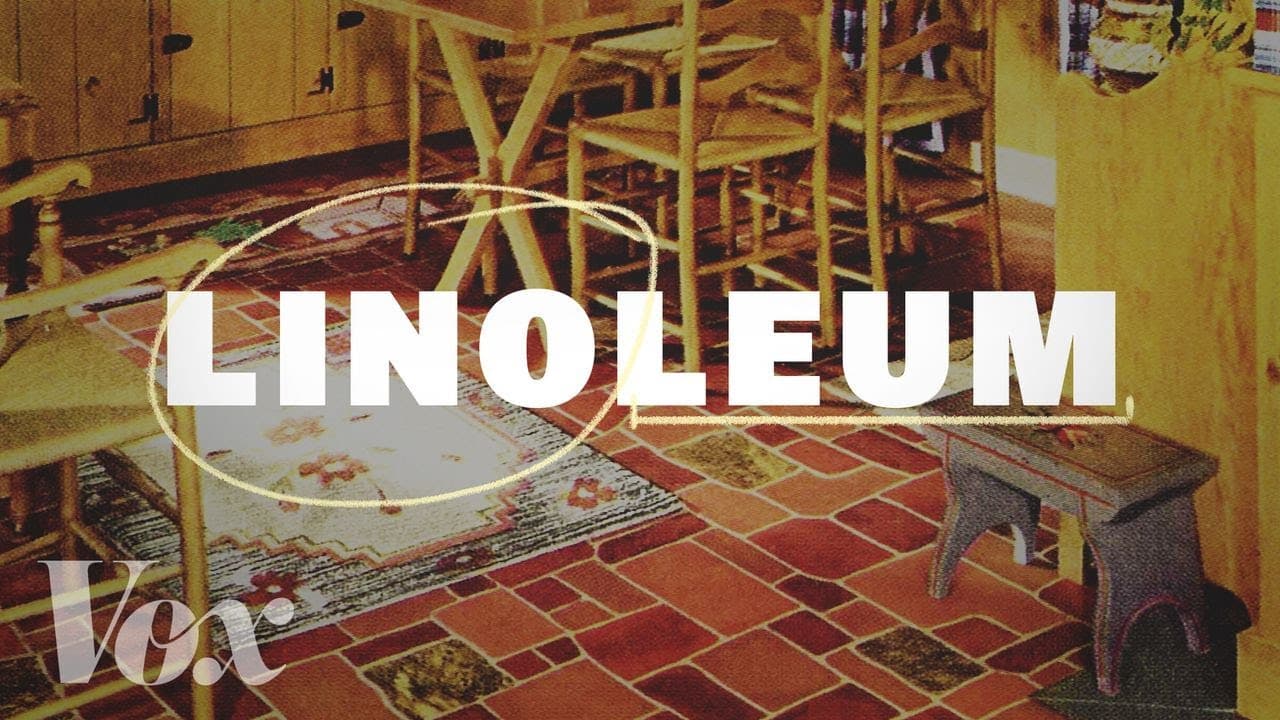
It's plasticky, sticky, shiny, often in a weird pattern or totally bland. You’ve seen linoleum. It’s probably in your high school hallway. In your closest airport and hospital. Or maybe it's in your grandma’s kitchen. At the very least, you can find it on home renovation television— “There might be something beautiful." "But there might not." "But ... Read More
Key Insights
- Linoleum was invented by Frederick Walton in 1855, inspired by the oxidation of linseed oil. It was initially used as a waterproofing material before becoming a flooring innovation.
- Walton's invention quickly gained popularity due to its durability, flexibility, and aesthetic versatility, making it superior to previous flooring options like floorcloths.
- Linoleum was considered a luxury item and was used in prestigious locations such as the Titanic and the British Parliament, showcasing its widespread acceptance.
- The material's popularity declined as it became associated with outdated patterns and cheaper alternatives like vinyl, leading to its relegation to less glamorous settings.
- In recent years, linoleum has experienced a resurgence in popularity, particularly in trendy and eco-conscious spaces, due to its sustainable production from renewable resources.
- Linoleum is made primarily from natural materials like linseed oil, cork dust, and pigments, making it an environmentally friendly choice for modern interiors.
- The flooring's durability and ease of maintenance continue to make it a practical choice for high-traffic areas, despite its previous fall from grace.
- Frederick Walton's legacy extends beyond linoleum, with his other invention, lincrusta, still found in various historic homes, highlighting his impact on interior design.
Install to Summarize YouTube Videos and Get Transcripts
Explore YouTube Video Summarizer or Get YouTube Transcript Extractor
Questions & Answers
Q: What inspired Frederick Walton to invent linoleum?
Frederick Walton was inspired to invent linoleum when he observed the oxidation of linseed oil forming a thick, stretchy layer on top of a jar of oil paint. This substance intrigued him, leading to experiments that eventually resulted in the creation of linoleum as a durable and flexible flooring material.
Q: Why did linoleum become a popular flooring choice initially?
Linoleum became popular due to its numerous advantages over existing flooring options. It was warm, noiseless, waterproof, flexible, and durable, making it superior to earlier floorcloths. Its ability to be mixed into various beautiful patterns also contributed to its appeal as a luxurious and modern flooring choice.
Q: What led to the decline of linoleum's popularity?
Linoleum's popularity declined as it became associated with outdated patterns and was seen as tacky and cheap. The emergence of vinyl flooring, which was cheaper and didn't require waxing to maintain its shine, further contributed to linoleum's fall from favor, relegating it to less prestigious settings.
Q: How has linoleum made a comeback in recent years?
Linoleum has made a comeback due to its eco-friendly production from renewable resources and its renewed appeal in trendy and sustainable interior design. Its durability, versatility in patterns, and environmental benefits have led to its resurgence in popularity in modern spaces seeking both style and sustainability.
Q: What materials are used to make linoleum?
Linoleum is made primarily from natural materials, including linseed oil, cork dust, pigments, and gum. These components are combined and rolled into sheets backed by cotton cloth. Its composition from renewable resources makes linoleum an environmentally friendly flooring option, contributing to its modern resurgence.
Q: What is lincrusta, and how is it related to Frederick Walton?
Lincrusta is another invention by Frederick Walton, known for its textured wall coverings. Like linoleum, lincrusta became popular for its durability and decorative appeal. Walton's contributions to interior design through both linoleum and lincrusta highlight his innovative impact on home decor and flooring solutions.
Q: Why is linoleum considered environmentally friendly?
Linoleum is considered environmentally friendly because it is made from natural, renewable resources such as linseed oil and cork dust. Its production process minimizes environmental impact, and it is biodegradable, making it a sustainable choice for modern interiors focused on reducing ecological footprints.
Q: What are some modern uses of linoleum in interior design?
Modern uses of linoleum in interior design include its application in trendy cafes, hotels, shops, and homes. Its aesthetic versatility allows for a wide range of patterns and colors, while its durability and eco-friendly properties make it suitable for high-traffic areas and environmentally conscious spaces.
Summary & Key Takeaways
-
Linoleum, invented by Frederick Walton in 1855, was initially a luxury flooring choice due to its durability and aesthetic appeal. It was widely used in prestigious locations, including the Titanic and British Parliament, before falling out of favor as cheaper alternatives emerged.
-
Despite its decline, linoleum is experiencing a revival, particularly in eco-conscious and trendy spaces. Its sustainable production from natural materials and versatility in design make it a popular choice for modern interiors seeking both style and environmental responsibility.
-
Frederick Walton's invention of linoleum, alongside his other creation, lincrusta, showcases his significant contribution to interior design. Linoleum's resurgence reflects a renewed appreciation for its eco-friendly qualities and historical significance in the world of flooring.
Read in Other Languages (beta)
Share This Summary 📚
Summarize YouTube Videos and Get Video Transcripts with 1-Click
Try YouTube Summary with ChatGPT & Claude or YouTube Transcript Generator
Explore More Summaries from Vox 📚



Summarize YouTube Videos and Get Video Transcripts with 1-Click
Try YouTube Summary with ChatGPT & Claude or YouTube Transcript Generator