Gamers are Entering a New Era of Monetization
TL;DR
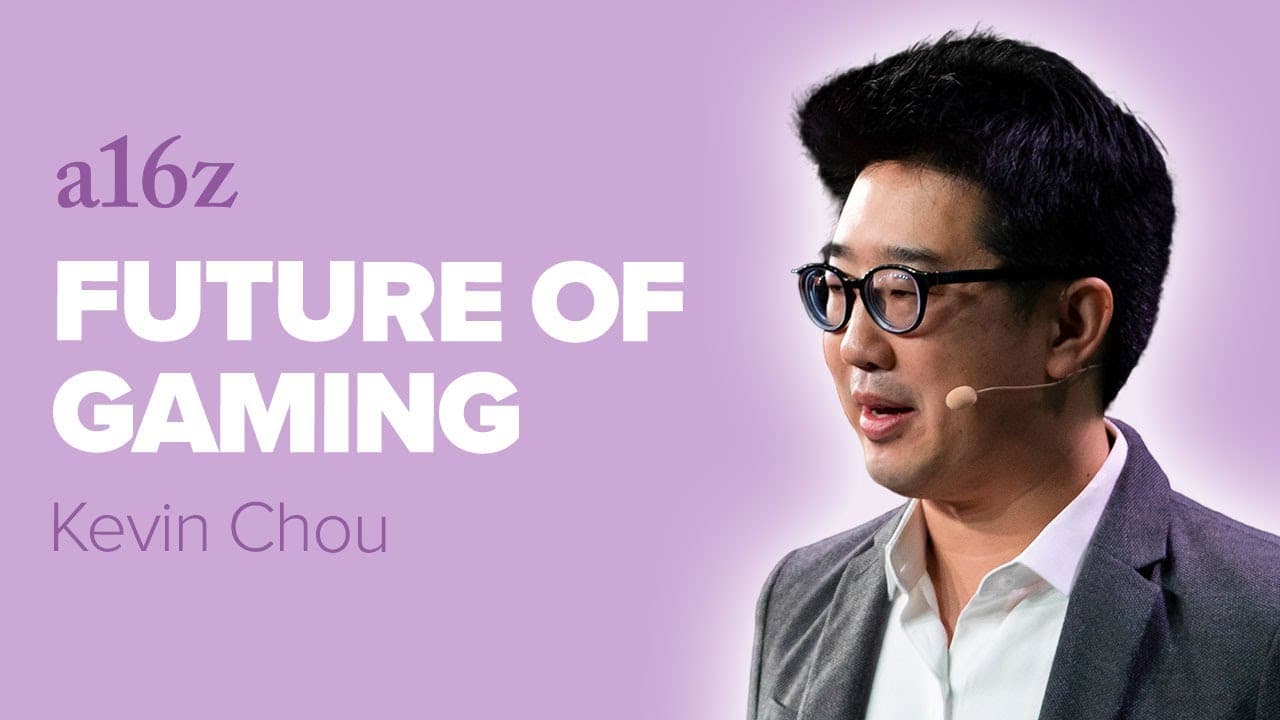
Blockchain technology could create new ways for gamers to earn by becoming creators, entrepreneurs, service providers, and owners of tradable virtual assets. The speaker draws on experience building Kabam and the Gen.G esports team to explain why conventional gaming careers remain difficult to access and how digital ownership, provenance, and safe peer-to-peer transactions could broaden participation. Read on to explore the proposed opportunities and their gaming-industry context.
Transcript
today there's 2.4 billion gamers in the world blockchain technology will unlock the opportunities for them to become creators entrepreneurs and service providers now when one thinks about blockchain one may think about Bitcoin or perhaps these days Libra but I'm here to talk today about how blockchain technology will unlock new economic opportuniti... Read More
Key Insights
- 🍉 The gaming industry has surpassed the film and music industry in terms of revenue and cultural impact.
- 🛩️ Making a living in the gaming industry is challenging, with only a small percentage of players able to become professional eSports players or earn a full-time income from streaming.
- 🤗 Blockchain technology allows for true digital ownership, provenance, and safe peer-to-peer transactions, opening up economic opportunities for gamers.
- 👾 Gamers can trade virtual assets, turn digital purchases into investments, and participate in in-game economies.
- 👶 Blockchain technology can create a new form of community economics within games, where players can buy and sell virtual goods, hire other players for tasks, and create new content.
- 👾 Blockchain technology aligns perfectly with the digital nature of games and has the potential to revolutionize the gaming industry.
Install to Summarize YouTube Videos and Get Transcripts
Explore YouTube Video Summarizer or Get YouTube Transcript Extractor
Questions & Answers
Q: How will blockchain create new monetization opportunities for gamers?
Blockchain can let gamers become creators, entrepreneurs, and service providers rather than only consumers. Through digital ownership and safe peer-to-peer transactions, they could create value, trade virtual assets, and participate directly in game economies.
Q: Why does the speaker believe gaming needs new ways to earn?
More people are playing games and trying to enter the industry, but earning a living through conventional paths remains difficult. The speaker argues that blockchain could improve those odds by opening economic roles beyond professional game development, esports, and streaming.
Q: What does true digital ownership mean for gamers?
True digital ownership allows players to own virtual assets instead of treating every digital purchase as something confined to a game. The page explains that these assets could be traded, giving purchases potential value within player-driven economies.
Q: How could peer-to-peer transactions change in-game economies?
Safe peer-to-peer transactions could allow players to buy and sell virtual goods directly. They could also support hiring other players for tasks and exchanging player-created content or services.
Q: How can gamers currently make a living in the industry?
The established routes include making games, competing as professional esports players, and entertaining audiences through gameplay streaming. The transcript emphasizes that these paths are difficult to access for most people seeking full-time work in gaming.
Q: What experience does the speaker have in the gaming industry?
The speaker founded Kabam, which created games for social networks and later free-to-play smartphone games. Kabam partnered with properties including Marvel, Lord of the Rings, Star Wars, and Fast and Furious, and the speaker later started the Gen.G esports team.
Q: Why is gaming described as a major cultural force?
The page says gaming has grown beyond film and music in market size and cultural impact. It points to video games entering the New York City MoMA collection, movies based on game intellectual property, and families gathering publicly to play Pokémon Go.
Q: Why does blockchain fit the nature of video games?
Games already contain digital goods, creative work, communities, and virtual economies. Blockchain complements that structure by adding ownership, provenance, and peer-to-peer exchange, which could help players turn participation and creation into economic activity.
Summary
In this video, the speaker discusses how blockchain technology can create new economic opportunities for gamers. The gaming industry has grown to be larger than the film and music industries combined, making a significant cultural impact. However, making a living in the gaming industry is still challenging. The speaker believes that blockchain technology can revolutionize the industry by enabling true ownership of digital assets, providing a complete history of those assets, and facilitating safe peer-to-peer transactions. This technology has the potential to unlock new opportunities for gamers to become creators, entrepreneurs, and service providers.
Questions & Answers
Q: How has the gaming market grown over the years?
The gaming market has experienced explosive growth. In 2019, it is projected to be a $150 billion industry, surpassing the film and music industries combined. This growth has been sustained for the past eight years.
Q: How are games making a cultural impact?
Games have gained recognition as an art form. The New York City MoMA has a permanent collection of 20 video games, and they plan to double that collection. Movies based on video game IP, such as those featuring characters like Batman and Lara Croft, have attracted well-known actors and achieved box office success. Games have become more mainstream, as seen in events like the gathering of 5,000 people at Chicago's Cloud Gate sculpture to play Pokemon Go.
Q: What are the existing opportunities for making a living in the gaming industry?
Traditionally, making a living in the gaming industry involved developing and creating games or working as a professional eSports player. The rise of streaming platforms like Twitch has also opened up opportunities for gamers to entertain audiences by streaming their gameplay. However, the chance of making it in the industry is still quite low, with only a fraction of a percent able to become professional players or full-time streamers.
Q: How does blockchain technology enable true ownership of digital assets in gaming?
Blockchain technology, especially with the use of cryptocurrencies like Bitcoin, allows for the creation of truly owned digital assets. With blockchain, players can own and control their virtual items, without needing to rely on a centralized authority or platform. This means they can freely transfer, trade, and even sell their assets to other players. For example, if a player owns a limited edition Batman costume in a game, they can sell it, trade it, or gift it to another player, just like owning a physical costume.
Q: What is the significance of provenance in the gaming industry?
Provenance refers to the complete history or origin of a digital asset. In gaming, having the ability to prove the authenticity and ownership of an asset can add value to it. For instance, in the real world, a baseball that was hit for a record-breaking home run is extremely valuable because of its verified provenance. In the same way, owning the exact virtual items used by a professional eSports player in a championship tournament would hold considerable value.
Q: How can blockchain technology impact peripheral markets in gaming?
Players often engage in buying and selling game accounts or virtual items in peripheral markets outside of official game platforms. This market is currently fraught with scams and fraud, and game creators do not benefit from these transactions. However, blockchain technology can provide a safe and transparent alternative. By allowing players to transact and trade directly on the blockchain, both buyers and sellers have a secure way to exchange assets. Additionally, game developers can set up smart contracts to receive a portion of every transaction, thereby benefiting from this economy.
Q: How does the speaker envision blockchain technology benefiting the gaming community?
The speaker envisions a future where blockchain technology creates a new form of community economics within games. Gamers will have the opportunity to participate in an in-game marketplace, similar to eBay, where they can buy and sell virtual goods. Creators and artists can use an in-game platform like Etsy to design and sell new skins, costumes, and other items. Furthermore, players can hire others for help or collaboration through an in-game platform like TaskRabbit. Blockchain technology will make these interactions safe, while ensuring that game developers receive a share of the transaction revenue.
Q: How does the speaker believe blockchain technology can benefit gamers as creators and entrepreneurs?
The speaker believes that blockchain technology will unlock opportunities for gamers to become creators and entrepreneurs, without requiring them to be experienced game developers or world-class players. With blockchain, gamers can monetize their creations, such as unique skins or items, and sell them directly to other players. This opens up avenues for gamers to turn their passion into a business, enabling them to make a living doing what they love.
Q: How does the speaker think blockchain technology will impact the gaming industry?
The speaker believes that blockchain technology will revolutionize the gaming industry. By combining digital ownership, provenance, and secure peer-to-peer transactions, blockchain technology perfectly aligns with the digital nature of games. This technology will empower gamers to take control of their virtual assets, provide opportunities for creators, and create a new form of community economics within games.
Q: How does the speaker explain the mission of Forte?
Forte, the speaker's company, aims to bring blockchain technology to the gaming industry. They are developing the necessary technology for game developers with millions of players to integrate blockchain into their existing games. Additionally, Forte is creating new gaming experiences from scratch, with blockchain technology at the core. The goal is to create a global game community that unlocks the economic and creative potential of games, allowing gamers to become creators, entrepreneurs, and service providers.
Takeaways
Blockchain technology has the potential to unlock new economic opportunities for gamers worldwide. By enabling true ownership of digital assets, providing a complete history of those assets, and facilitating safe peer-to-peer transactions, blockchain can revolutionize the gaming industry. This technology can create a new form of community economics within games, where gamers can become creators, entrepreneurs, and service providers. Through blockchain integration, gamers can monetize their creations, participate in in-game marketplaces, and engage in safe and transparent transactions. Forte, with its focus on bringing blockchain technology to the gaming industry, aims to empower gamers and unlock the true potential of games.
Summary & Key Takeaways
-
The gaming industry has become larger than the film and music industry combined, making it a significant cultural force.
-
Gamers can now make a living through making games, becoming professional eSports players, or streaming their gameplay.
-
Blockchain technology introduces the concept of true digital ownership, provenance, and safe peer-to-peer transactions, allowing gamers to create value and trade virtual assets.
Read in Other Languages (beta)
Share This Summary 📚
Summarize YouTube Videos and Get Video Transcripts with 1-Click
Try YouTube Summary with ChatGPT & Claude or YouTube Transcript Generator
Explore More Summaries from a16z 📚




Summarize YouTube Videos and Get Video Transcripts with 1-Click
Try YouTube Summary with ChatGPT & Claude or YouTube Transcript Generator