Why Podcast Ads Work, How Veterans Find Purpose, and Scott’s London Tips | Office Hours
TL;DR
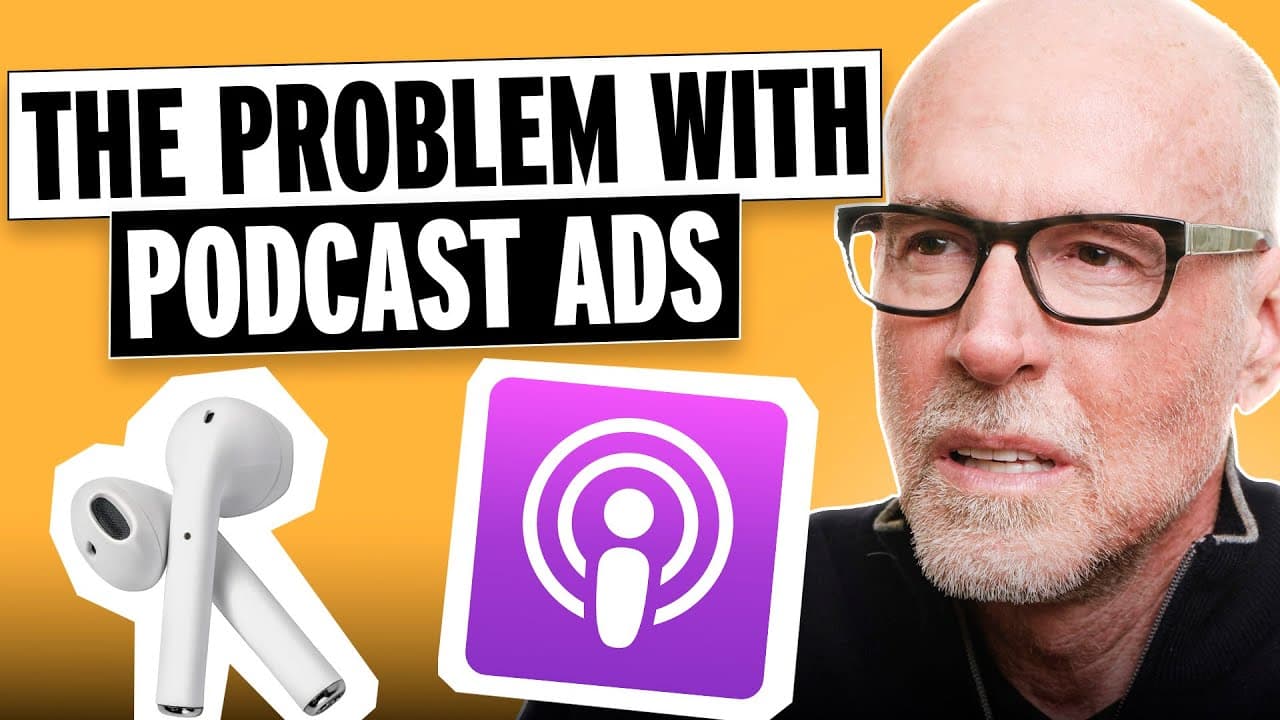
Podcast ads work because trusted host-read endorsements reach an attractive audience in an intimate format where listeners are more likely to pay attention. Scott describes the average podcast listener as a 34-year-old male entering his prime earning years and contrasts his podcast’s roughly 200,000 combined downloads and YouTube views with an average CNN show’s 160,000 or 180,000 viewers. Read on for his advertising analysis and advice on rebuilding purpose after military service.
Transcript
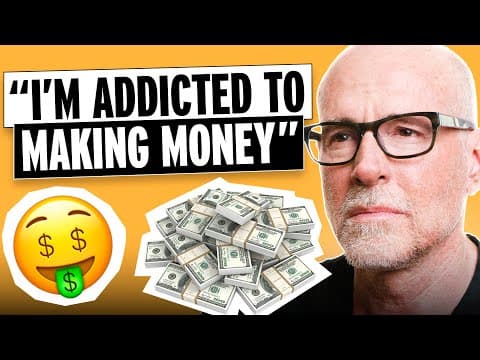
The average podcast listener, if you were to distill down to one person, is a 34year-old kind of ethnically ambiguous male. That dude is stupid. What do I mean by stupid? He's in the midst of his mating years and will spend money on irrational, high margin things that signal his value as a maid. In today's office hours, we talk about the future of ... Read More
Key Insights
- Podcast advertising is growing faster than other advertising-supported media, according to Scott, because it reaches listeners who are younger, commercially attractive, and often difficult to reach through conventional channels.
- The average podcast listener is characterized as a 34-year-old ethnically ambiguous male who is entering prime earning years and willing to spend on high-margin products that communicate status, identity, or attractiveness.
- Advertising money is moving from cable news into podcasts because many young men spend time on Spotify and Netflix, where they can largely avoid conventional advertising, making podcast audiences comparatively valuable.
- Host-read advertising is the central innovation of podcast promotion because a familiar presenter can endorse products personally, credibly, and in the same trusted voice that delivers the surrounding editorial content.
- Podcast intimacy makes advertisements more resonant because listeners hear a host directly through their headphones and may feel a personal relationship, while television advertisements are often filtered out as background noise.
- Podcast advertising still has room for better targeting, although regional ad insertion can already deliver different advertisements to different audiences. Scott considers listener attention and host credibility more important than targeting improvements.
- Purpose after military service is difficult to reproduce at an ordinary private-sector job because military work combines national service, shared history, responsibility, training, teamwork, and dependence on colleagues for safety.
- Community is largely a function of proximity, according to Scott, so working in person can strengthen belonging. Veterans can also build community through religious groups, sports, coaching, nonprofit work, youth mentorship, or continued military involvement.
Install to Summarize YouTube Videos and Get Transcripts
Explore YouTube Video Summarizer or Get YouTube Transcript Extractor
Questions & Answers
Q: Why do podcast ads work even when listeners can skip them?
Scott says podcast ads work because listeners know the host’s voice and may already trust or like the host. A seamless transition into a host-read endorsement raises fewer barriers, while the intimate listening format makes the promotion more resonant.
Q: What is the main innovation in podcast advertising?
Scott identifies host-read advertising as the main innovation. When hosts credibly discuss products they actually use or appreciate, the endorsement feels more authentic, real, and impactful.
Q: Why are podcast listeners attractive to advertisers?
Scott characterizes the average podcast listener as a 34-year-old male entering his prime income-earning years and willing to spend on high-margin products that signal identity or status. He also says young men are difficult to reach because many use Spotify and Netflix while avoiding conventional advertising.
Q: How does podcast advertising differ from television advertising?
Podcast ads can be delivered by the same familiar host who presents the surrounding content, while Scott says journalists at institutions such as CNN and The New York Times may refuse to read ads. He also argues that television often plays in the background, whereas podcast audio reaches listeners directly through their ears.
Q: How does the podcast’s reach compare with an average CNN show?
Scott says the podcast receives about 200,000 combined audio downloads and YouTube views. He estimates that an average CNN show reaches 160,000 or 180,000 viewers, giving the podcast comparable reach with what he considers a more attractive audience and intimate format.
Q: What advertising rates does Scott cite for podcasts and the comparison medium?
Scott cites a podcast advertising rate of $47 CPM versus 15 for the comparison medium. He attributes the difference to listener attention, an appealing audience, host-read endorsements, and the intimacy of podcasting.
Q: How can veterans rebuild purpose after leaving the military?
Scott recommends finding communities that provide service, mentorship, teamwork, and responsibility for others. Options include religious groups, sports leagues, coaching, nonprofit work, youth mentorship, or continued military involvement, because an ordinary private-sector job may not reproduce the military’s identity, mission, and community.
Q: Why can in-person work help veterans find community?
Scott describes community as largely a function of proximity, so working in person can create more opportunities for connection. If a current job remains unsatisfying, he advises securing another position before resigning and seeking belonging through other communities as well.
Summary & Key Takeaways
-
Podcast advertising benefits from an audience that Scott characterizes as younger, entering prime earning years, commercially active, and difficult to reach through ad-free services. He argues that advertising money is moving away from cable news and toward podcasts because podcasts can offer comparable reach, stronger listener attention, and substantially higher reported advertising rates.
-
Host-read advertisements are presented as podcasting's main innovation. A familiar host can discuss products personally and credibly, producing a smoother transition from editorial content to promotion. Because listeners hear the host directly in their ears and may feel a trusted relationship, Scott believes these endorsements resonate more strongly than traditional background television advertising.
-
Leaving military service can mean losing a powerful identity, mission, and close community that private-sector employment may not reproduce. Scott recommends seeking belonging through in-person work or communities such as religious organizations, sports leagues, coaching, nonprofit service, youth mentorship, or continued military involvement. If changing jobs, he advises finding another position before resigning.
Read in Other Languages (beta)
Share This Summary 📚
Summarize YouTube Videos and Get Video Transcripts with 1-Click
Try YouTube Summary with ChatGPT & Claude or YouTube Transcript Generator
Explore More Summaries from The Prof G Pod – Scott Galloway 📚


Summarize YouTube Videos and Get Video Transcripts with 1-Click
Try YouTube Summary with ChatGPT & Claude or YouTube Transcript Generator