A Nuclear Comeback: Are New Reactors the Answer?
TL;DR
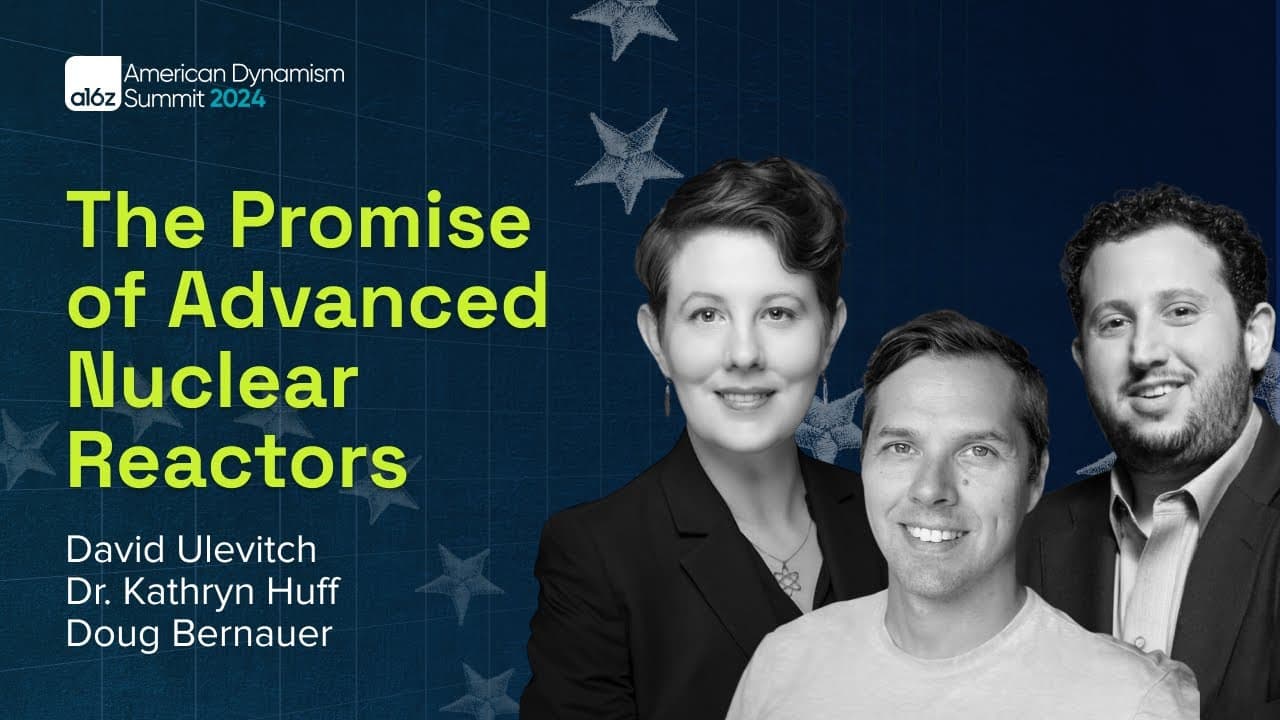
New reactors could help meet rising electricity demand because nuclear energy provides carbon-free baseload power without depending on wind or sunlight. Nuclear already supplies 20% of U.S. electricity, and America’s first newly built reactor in over three decades came online in 2023. Portable microreactors could eventually enable factory production and remote deployment, while cost, construction timelines, and lost industry capacity remain obstacles worth examining.
Transcript
they recognize we have this insatable need for energy like we're not going backwards in our energy consumption so if we're going to have new energy generation has to be clean energy deliveries of fuel are a clear vulnerability natural gas obviously can hold an entire nation hostage the typical construction timeline is really like 6 to 15 years on t... Read More
Key Insights
- 🖐️ Nuclear energy can play a crucial role in meeting the world's increasing energy demand while reducing carbon emissions.
- 💨 Small modular reactors and micro reactors offer opportunities for faster deployment, scalability, and remote power generation.
- ⛽ The storage and disposal of nuclear waste have been technically solved, but the consolidation of spent fuel remains a challenge.
- 🏛️ Building a robust supply chain, improving regulatory efficiency, and fostering public support are essential for the growth of nuclear energy.
- 🇺🇸 The United States has the potential to lead in nuclear technology and export reactors to other countries, promoting energy security and global emissions reduction.
- 🔐 Nuclear energy is a key component of national security and resilience, providing continuous and reliable power in critical situations.
Install to Summarize YouTube Videos and Get Transcripts
Explore YouTube Video Summarizer or Get YouTube Transcript Extractor
Questions & Answers
Q: Are new nuclear reactors the answer to growing energy demand?
The speakers argue that new reactors can play an important role because electricity demand is not going backward and new generation needs to be clean. Nuclear provides baseload power without requiring the wind to blow or the sun to shine, though the discussion also says all forms of energy need to increase.
Q: Why is nuclear energy making a comeback in the United States?
The discussion points to growing electricity needs, concern about climate, and demand for scalable, resilient power. It also notes that the U.S. government announced an intent to triple nuclear power production by 2050 and that America’s first newly built reactor in over three decades came online in 2023.
Q: How much U.S. electricity comes from nuclear energy?
Nuclear energy accounts for 20% of electricity in the United States. The episode describes it as a carbon-free power source that already holds a substantial role in the country’s electricity supply.
Q: Why did construction of nuclear power plants slow down?
Dr. Katherine Huff identifies economics as the primary driver, particularly a period when natural gas was extremely cheap, quick to build, and required relatively low capital investment. As fewer nuclear plants were built, the industry lost experience and capacity, making that capability increasingly expensive to rebuild.
Q: How long does it take to construct a large nuclear reactor?
The typical construction timeline for large reactors is described as roughly 6 to 15 years. That long timeline helps explain the interest in reactor designs that might be produced and deployed differently.
Q: What makes portable microreactors promising?
Portable microreactors could potentially be produced in factories and mass-produced because of their size and portability. The speakers emphasize that this capability has not yet been achieved, presenting it as an exciting possibility rather than an established result.
Q: How does nuclear power compare with wind and solar for reliability?
Nuclear power can provide baseload electricity without relying on sunshine or wind. The discussion characterizes wind and solar as low-cost energy sources but says they are not resilient in the same way and highlights the need for power that can scale and be adjusted on demand.
Q: How can nuclear energy strengthen energy security?
Reliable fuel access matters because fuel deliveries can be vulnerable, and the discussion notes that natural gas can hold an entire nation hostage. Nuclear is presented as an enduring power source that could reduce dependence on vulnerable energy deliveries while supporting essential electricity needs.
Summary & Key Takeaways
-
Nuclear energy is a clean and reliable power source that can meet the growing energy demand and reduce carbon emissions.
-
The decline in nuclear power construction over the past few decades can be attributed to factors such as cost and the availability of cheap natural gas.
-
New reactor designs, including small modular reactors and micro reactors, offer promising opportunities for safe, portable, and mass-produced nuclear energy.
-
Nuclear energy plays a crucial role in national security and resilience by providing continuous power and reducing dependence on foreign fuel supplies.
Read in Other Languages (beta)
Share This Summary 📚
Summarize YouTube Videos and Get Video Transcripts with 1-Click
Try YouTube Summary with ChatGPT & Claude or YouTube Transcript Generator
Explore More Summaries from a16z 📚






Summarize YouTube Videos and Get Video Transcripts with 1-Click
Try YouTube Summary with ChatGPT & Claude or YouTube Transcript Generator