How to Build a Personal Brand That Makes Money
TL;DR
Build a profitable personal brand by serving a clearly defined customer, publishing useful content on one platform, and connecting that content to a specific offer. A small, relevant audience can generate meaningful income when your service moves customers from a painful current situation to a desired result and creates more value than it costs.
Transcript
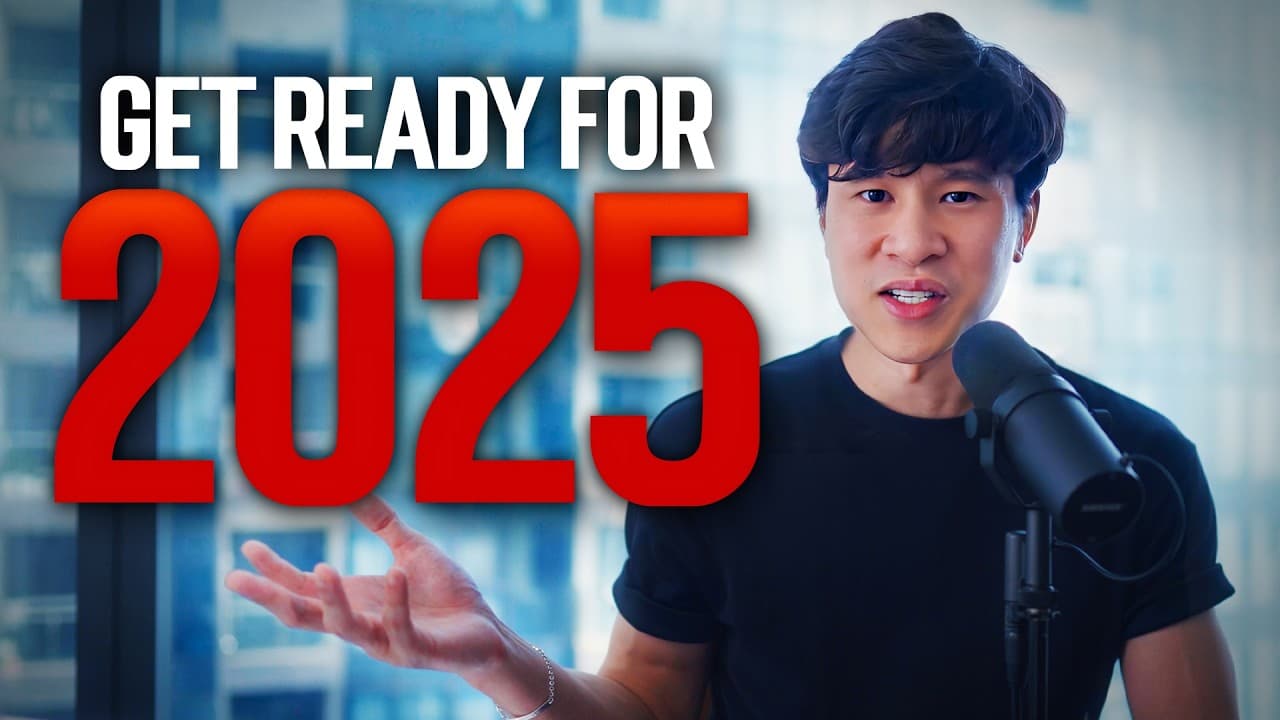
building your personal brand is going to be the biggest opportunity for 2025 I mean love them or hate them Donald Trump use social media and leveraged it all the way to the White House look what elon's doing with SpaceX and Tesla and all his other companies so without a doubt you are missing a huge opportunity if you're not building your personal b... Read More
Key Insights
- A personal brand is a trust signal that potential customers can examine after receiving an outbound message. If a prospect searches YouTube or LinkedIn and finds no evidence of expertise, the transcript argues that the absence can reduce the likelihood of receiving a response.
- Personal branding is becoming part of business development for companies, founders, employees, consultants, service providers, and software startups. The transcript uses lemlist and the young founders behind Apex as examples of teams using employee or founder audiences to attract inbound leads and potential users.
- Modern recommendation algorithms can connect consistent niche content with relevant viewers. According to the transcript, repeatedly publishing around one subject, such as weight loss or LinkedIn lead generation, helps platforms identify the appropriate audience and makes building a following more accessible than it was five years earlier.
- Audience-focused content is created for a clearly identified person and gives that person a reason to watch or subscribe. The creator's unsuccessful attempt at travel vlogging is presented as an example of publishing what seemed personally interesting without defining the value intended for viewers.
- Publishing on too many platforms can overwhelm a creator and weaken execution. Even when the same short video is distributed across YouTube, Instagram, and TikTok, the transcript says it may not perform consistently because each piece often needs to be adapted to its platform.
- A commercial offer should be considered when content creation begins, not only after a large audience has formed. Without a product or service, attention does not necessarily produce income, and sustained production can become discouraging when extensive effort creates no improvement in revenue.
- A small, specialized audience can support a service business when its members are qualified and the creator has genuine expertise. The transcript suggests that 500 subscribers interested in subjects such as LinkedIn lead generation or high-ticket phone closing can be more commercially useful than a large, unfocused audience.
- A strong service offer bridges the customer's painful current state and desired future state. The transcript's example is a short-form editor who converts a creator's long-form material into viral clips, saving time while seeking to generate traffic and additional business revenue.
Install to Summarize YouTube Videos and Get Transcripts
Explore YouTube Video Summarizer or Get YouTube Transcript Extractor
Questions & Answers
Q: Why does a personal brand help with cold outreach?
A personal brand gives recipients evidence they can review before deciding whether to respond to cold outreach. The transcript says prospects may search for a sender on YouTube, LinkedIn, or other social platforms because cold email has become common and can appear spammy. Useful content demonstrates subject knowledge, reduces uncertainty, and supports the credibility of an offer even when the initial contact happens through outbound messaging.
Q: What causes most people to fail at personal branding?
The transcript identifies three main causes: creating content selfishly instead of for a defined audience, posting across too many platforms, and having nothing to sell. Self-focused content gives viewers little reason to subscribe, excessive distribution creates overwhelm and requires platform-specific adaptation, and an absent offer prevents attention from becoming revenue. Together, these problems can produce weak results and eventually lead to burnout.
Q: How do you identify the right audience for your content?
Start by deciding exactly whom you want to serve, then examine that person's dreams, aspirations, present problems, and painful circumstances. The content and offer should connect the gap between the audience's current state and desired outcome. This approach gives every topic a clear purpose because it is designed to help a recognizable customer advance toward a result they already value.
Q: Should a personal brand publish on every social platform?
The transcript recommends focusing on one platform instead of trying to publish everywhere at once. Managing Instagram, TikTok, YouTube Shorts, long-form YouTube, LinkedIn, and a newsletter can become overwhelming. Reposting an identical short video also does not guarantee equal results because content may need native adaptation for each platform. Concentration makes the workload simpler and allows more consistent execution.
Q: How can a small audience generate meaningful income?
A small audience can generate income when its members closely match the service being offered and the creator can solve a valuable problem. The transcript gives 500 subscribers as an example in specialized areas such as LinkedIn lead generation or high-ticket phone closing. Those subscribers represent real people paying attention, and qualified viewers can become customers without the creator first reaching 100,000 subscribers.
Q: When should a creator decide what to sell?
A creator should have a product, service, or future offer in mind from the beginning of the content process. The transcript argues that followers alone do not create revenue, even when a channel reaches 100,000 subscribers. Connecting content to an offer gives the work a commercial purpose, creates an opportunity to sell to a small following, and reduces the risk of burning out without financial results.
Q: How do you turn customer problems into a service offer?
Define the customer's current difficulty, clarify the result they want, and position your service as the vehicle between those two points. In the transcript's example, a creator produces long-form content but cannot create effective short-form clips. An editor can offer to cut the existing material into viral shorts, saving the creator time while aiming to attract traffic and produce additional revenue.
Q: Why should a business service create more value than it costs?
A business service becomes easier to justify when the additional revenue associated with it exceeds its price. The transcript says a provider should seek to be perceived as effectively free to the business because the customer would not have earned that added revenue without the service. This logic is especially relevant for services connected to sales, lead generation, traffic, or other outcomes that can make money.
Summary & Key Takeaways
-
A personal brand gives potential customers a way to evaluate your expertise before responding to outreach. The transcript argues that skepticism toward cold email is increasing and that prospects commonly check platforms such as YouTube and LinkedIn. A credible content presence can therefore support trust, inbound leads, and outbound sales efforts.
-
Most aspiring creators struggle because they publish for themselves, spread their effort across too many platforms, or create without anything to sell. Effective content should address a particular audience and provide recognizable value. Concentrating on one platform also reduces overwhelm and avoids the challenge of adapting every post to several different platform formats.
-
The proposed strategy begins by identifying whom you want to serve, their current problems, and their desired outcome. Your product or service becomes the vehicle connecting those two states. Monetization does not require a massive audience when followers are highly relevant and the offer solves an expensive problem or produces measurable business value.
Read in Other Languages (beta)
Share This Summary 📚
Summarize YouTube Videos and Get Video Transcripts with 1-Click
Try YouTube Summary with ChatGPT & Claude or YouTube Transcript Generator
Explore More Summaries from Patrick Dang 📚
Summarize YouTube Videos and Get Video Transcripts with 1-Click
Try YouTube Summary with ChatGPT & Claude or YouTube Transcript Generator