How charity: water Built a Clean Water Movement
TL;DR
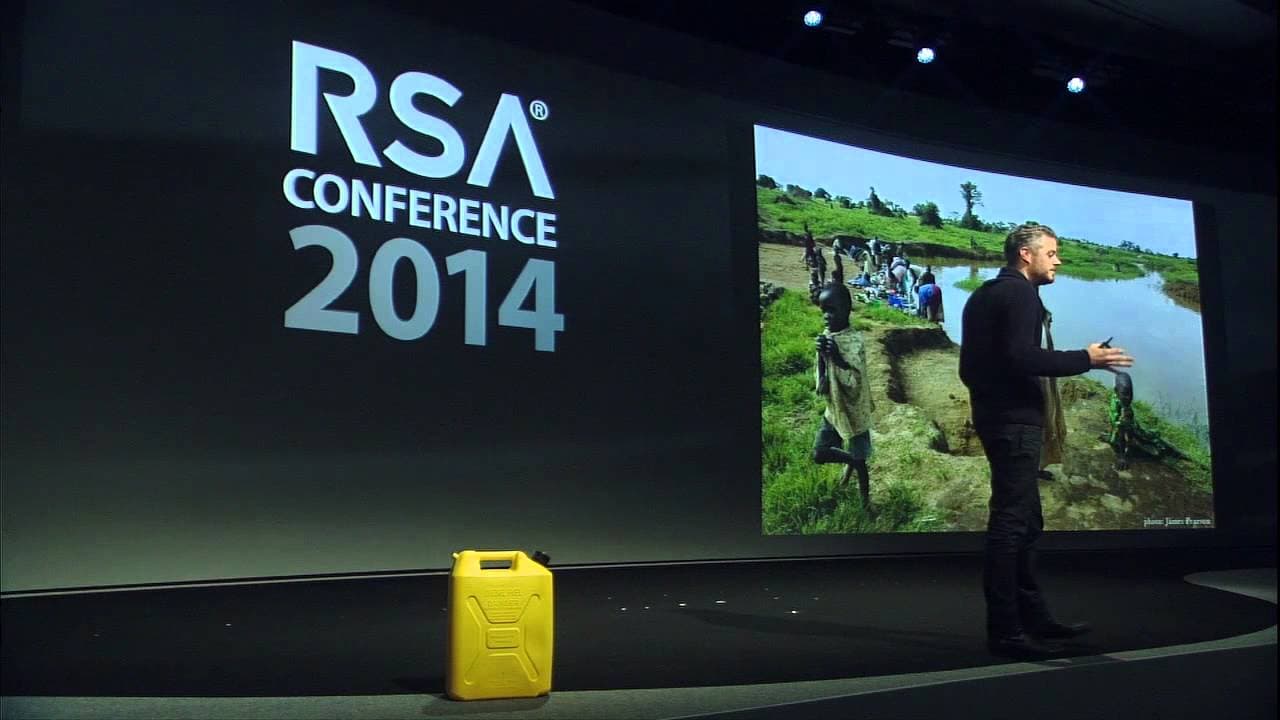
charity: water grew by focusing community and technology on one clear mission: bringing clean drinking water to people living without it. Founder Scott Harrison reached that mission after leaving a decade in New York nightlife, documenting humanitarian medical work in Liberia, and discovering that unsafe water, inadequate sanitation, and poor hygiene were driving widespread disease.
Transcript
Hi, everybody. This is gonna be a, uh, a slightly different talk. I was backstage and, um, kind of saying, "What? Oh my gosh, like I'm gonna talk about water and giving." Uh, we'll see how, uh, how this works today. I'm so, uh, honored to, to close the conference to, to be with you guys. Um, RSA has been incredibly generous already and has sponsore... Read More
Key Insights
- Scott Harrison's motivation for service emerged after a decade in New York nightlife left him feeling selfish and emotionally, morally, and spiritually bankrupt. He responded by selling his possessions and committing a year to humanitarian work as a reversal of the previous ten years.
- Harrison's first humanitarian opportunity required him to pay $500 each month to volunteer after every other organization rejected his applications. He joined a hospital ship headed to Liberia and used photography and storytelling to document medical care, raise awareness, and support fundraising.
- Liberia's civil war had left the country without electricity, running water, sewage, or mail, according to Harrison's account. Many people lived in damaged buildings, while limited access to doctors allowed treatable conditions to become severe, isolating, or life-threatening.
- The demand for medical treatment greatly exceeded the hospital ship's capacity. Harrison encountered 7,000 people outside a rented soccer stadium, including some who had walked for a month, although the mission had only about 1,500 available surgical places.
- Alfred's recovery showed how accessible surgery could restore both health and social belonging. A benign facial tumor had grown for four years without medical treatment and was suffocating him, but surgeons removed it and Harrison later witnessed his return to his community.
- Harrison's documentation work transformed distant suffering into individual human stories. He took 50,000 photographs, met patients who had been rejected or called cursed, observed their operations, and recorded how relatively short procedures could return them to their communities with renewed lives.
- Unsafe water became Harrison's central concern after he visited villages during his second tour. He saw people drinking from swamps, ponds, and rivers, then heard medical colleagues connect more than half of disease worldwide directly to unsafe water and inadequate sanitation and hygiene.
- charity: water demonstrates how a focused mission can mobilize community and technology. According to the description, Harrison started the organization seven years before the talk to bring clean drinking water to everyone lacking it, and it funded over 9,000 projects in 20 countries.
Install to Summarize YouTube Videos and Get Transcripts
Explore YouTube Video Summarizer or Get YouTube Transcript Extractor
Questions & Answers
Q: Why did Scott Harrison leave New York nightlife?
Scott Harrison left New York nightlife because success no longer concealed how deeply dissatisfied he had become with his character and choices. After ten years as a nightclub promoter, he had developed problems involving gambling, pornography, smoking, and cocaine. Although he had money, status, possessions, and attractive friends, he considered himself selfish and emotionally, morally, and spiritually bankrupt. He decided to pursue service as the direct opposite of that life.
Q: How did Scott Harrison begin doing humanitarian work?
Scott Harrison sold his possessions, including his DVDs, and applied to humanitarian organizations with the intention of giving back one year for the ten years he believed he had wasted. Every organization initially rejected him. One group eventually accepted him on the condition that he pay $500 per month to volunteer. He joined its hospital ship bound for Liberia and became responsible for documenting its work through photographs and stories.
Q: What conditions did Scott Harrison encounter in Liberia?
Harrison described Liberia as a country devastated by Charles Taylor and a 14-year civil war involving child soldiers. He said the country had no electricity, running water, sewage, or mail, and that people lived in bombed-out buildings missing roofs and windows. Medical need was overwhelming. At one patient screening, 7,000 people gathered for approximately 1,500 surgical places, and some had walked for a month hoping to see a doctor.
Q: Who was Alfred, and how did surgery change his life?
Alfred was the first child Harrison encountered in the screening line. He had a giant benign tumor called an ameloblastoma that had grown for four years, beginning when he was 10. Without access to a doctor, the tumor expanded until he was suffocating on his own face and nearing death. Surgeons removed the tumor, Harrison watched him recover, and he later accompanied Alfred home to witness his welcome back into the community.
Q: How did photography support the medical mission?
Photography allowed Harrison to document individual patients, their medical conditions, their operations, and their recoveries. The humanitarian organization could use those photographs and accompanying stories to raise money and awareness. Harrison took 50,000 photographs during his work. His existing email list, built during his nightlife career, also gave him a potential audience for sharing the organization's humanitarian efforts with people who previously knew him as a nightclub promoter.
Q: How did unsafe water influence the founding of charity: water?
Unsafe water became central to Harrison's mission during his second humanitarian tour, when he traveled beyond the hospital ship into villages. He saw people drinking from swamps, ponds, and rivers because they lacked clean water. Medical colleagues told him that more than half of disease worldwide was directly related to unsafe water and insufficient sanitation and hygiene. The experience connected preventable illness with the need for reliable clean drinking water.
Q: What mission did charity: water adopt?
charity: water adopted the mission of bringing clean drinking water to every person on the planet living without it. The description says Harrison started the organization seven years before the talk. It also reports that charity: water had funded over 9,000 water projects in 20 countries, illustrating how a single, shared mission could organize community participation and the use of technology around clean-water access.
Q: What lessons does the charity: water story offer nonprofits?
The story suggests that a nonprofit can build support by defining one clear mission, telling specific human stories, and using community and technology to direct attention toward that mission. Harrison's experience as a photographer helped turn large humanitarian problems into accounts of identifiable people and visible outcomes. The organization maintained a focused goal of clean drinking water and, according to the description, funded over 9,000 projects across 20 countries.
Summary & Key Takeaways
-
Scott Harrison describes growing up as a caregiver after carbon monoxide exposure severely damaged his mother's health. At 18, he rejected his earlier values and entered New York nightlife. After a decade marked by status, addiction, and self-interest, he concluded that he had become emotionally, morally, and spiritually bankrupt.
-
Seeking the opposite of his nightlife career, Harrison sold his possessions and applied to humanitarian organizations. After repeated rejection, he paid $500 a month to volunteer aboard a hospital ship in Liberia. His role was to document patients, surgeries, and recoveries through photographs and stories that could support awareness and fundraising.
-
During a second tour, Harrison visited villages where people drank from swamps, ponds, and rivers because clean water was unavailable. Medical colleagues connected widespread disease to unsafe water, sanitation, and hygiene. That experience shaped charity: water, which the description says funded over 9,000 water projects across 20 countries.
Read in Other Languages (beta)
Share This Summary 📚
Summarize YouTube Videos and Get Video Transcripts with 1-Click
Try YouTube Summary with ChatGPT & Claude or YouTube Transcript Generator
Explore More Summaries from RSAC Cybersecurity 📚



Summarize YouTube Videos and Get Video Transcripts with 1-Click
Try YouTube Summary with ChatGPT & Claude or YouTube Transcript Generator