Why Is It Important to Wear Sunscreen Indoors?
TL;DR
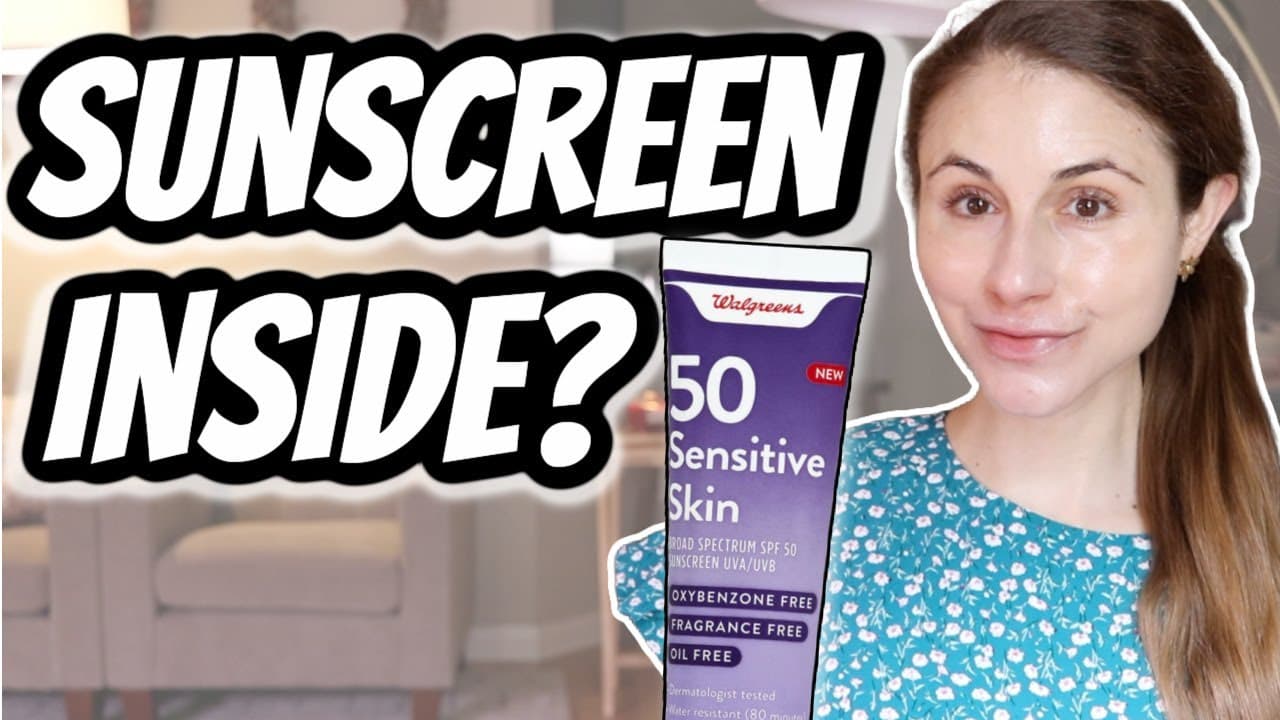
Wearing sunscreen indoors is essential because UVA rays can penetrate window glass and indoor lighting can contribute to skin damage. Additionally, visible light from screens can lead to hyperpigmentation. Regular application helps protect against cumulative skin damage caused by low exposure over time, reducing the risk of skin cancer and photoaging.
Transcript
hey guys in today's video i'm going to be talking about why you need to wear sunscreen indoors i'm going to be going over the science behind it and debunking some common myths and misconceptions that i see in the comments a fair amount if you're new here welcome my name is andrea i am a board certified dermatologist i would love it if you would sub... Read More
Key Insights
- 😎 UVA rays can penetrate through window glass, requiring sunscreen application even when indoors.
- 🇧🇻 Indoor lighting, such as halogen and fluorescent bulbs, can contribute to skin damage and increase exposure to UV radiation.
- 🩵 Visible light in the blue light spectrum can cause free radical damage and early onset hyperpigmentation in medium to deep skin tones.
- 😘 Cumulative damage from low doses of UV radiation can occur indoors, leading to skin changes and potentially contributing to skin cancer risk.
- 💦 Reapplication of sunscreen is important to compensate for underapplication, loss from friction, and exposure to water or sweat.
- 🫥 Wearing sunscreen every day is supported by research to reduce visible signs of photoaging, wrinkles, and pigmentary alterations.
- 💰 Sunscreen is an affordable option, with many budget-friendly options available, and it is eligible for flexible spending account (FSA) dollars.
Install to Summarize YouTube Videos and Get Transcripts
Explore YouTube Video Summarizer or Get YouTube Transcript Extractor
Questions & Answers
Q: Why is it important to wear sunscreen indoors?
Sunscreen is necessary indoors because UVA rays can penetrate through window glass, and indoor lighting and visible light can cause skin damage and contribute to hyperpigmentation and free radical damage.
Q: Can indoor lighting and devices emit UV radiation?
Some indoor lighting, such as halogen bulbs, can emit UV radiation, although the amount blocked by coatings is unknown. Devices like tablets emit small amounts of blue light, which can also contribute to skin damage.
Q: Do we need to reapply sunscreen when indoors?
While reapplication every two hours is not necessary when indoors, it is still recommended due to sunscreen rubbing off and underapplication. Reapplication compensates for initial underapplication and replaces what is lost from friction and exposure to water or sweat.
Q: Are there other recommendations to reduce UV exposure indoors?
Switching to LED light bulbs, avoiding sitting close to lamps that emit UV, and using curtains can help reduce UV exposure indoors.
Summary & Key Takeaways
-
Sunscreen is necessary to protect the skin from harmful UVB and UVA rays, which can lead to skin damage, aging, hyperpigmentation, and even skin cancer.
-
UVA rays can still penetrate through window glass, exposing the skin to potential damage even when indoors.
-
Indoor lighting, especially halogen and fluorescent bulbs, can contribute to skin damage and increase exposure to UV radiation.
-
Visible light, particularly in the blue light spectrum, can also cause hyperpigmentation and free radical damage, making sunscreen crucial for overall skin health.
Read in Other Languages (beta)
Share This Summary 📚
Summarize YouTube Videos and Get Video Transcripts with 1-Click
Try YouTube Summary with ChatGPT & Claude or YouTube Transcript Generator
Explore More Summaries from Dr Dray 📚




Summarize YouTube Videos and Get Video Transcripts with 1-Click
Try YouTube Summary with ChatGPT & Claude or YouTube Transcript Generator