Building an Innovation Bridge with Jason Feifer
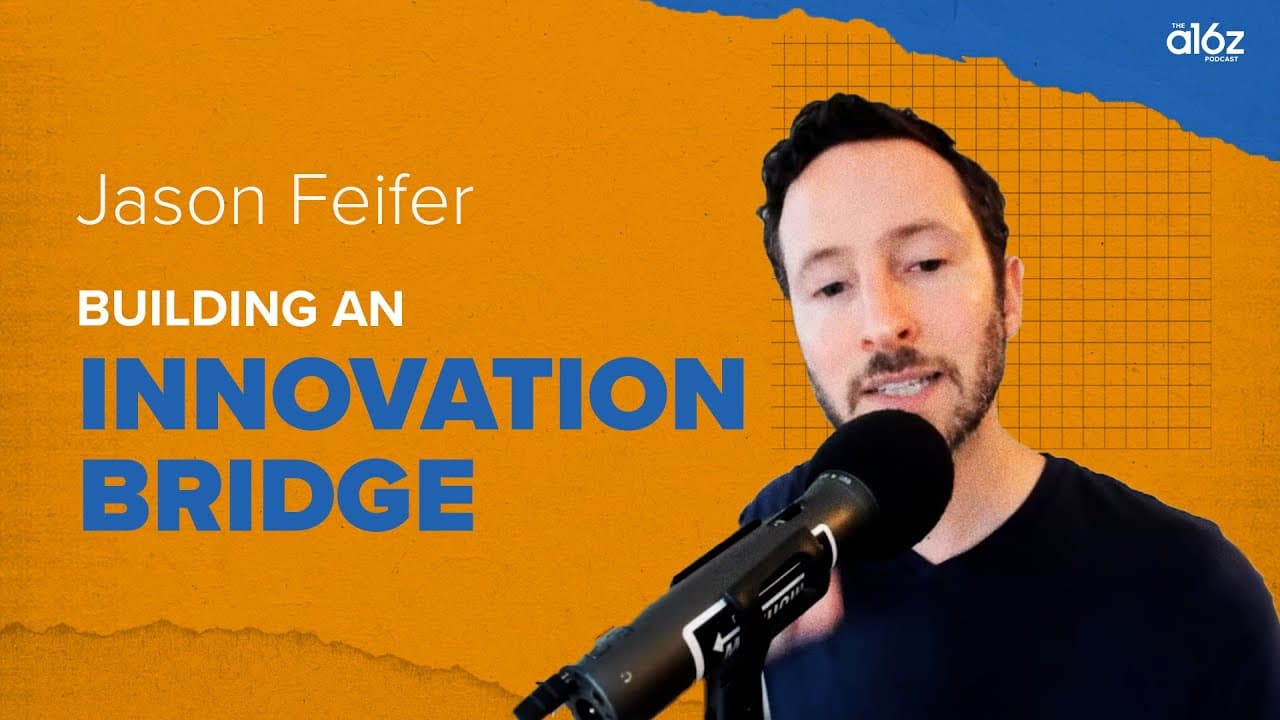
Transcript
Read and summarize the transcript of this video on Glasp Reader (beta).
Install to Summarize YouTube Videos and Get Transcripts
Explore YouTube Video Summarizer or Get YouTube Transcript Extractor
Summary
In this video, the speaker discusses the importance of building a bridge of familiarity when introducing new innovations. He gives examples of how the early automobile industry failed to connect with consumers by positioning cars as replacements to horses, and how a simple shift in messaging made a significant impact. The speaker also highlights the importance of using familiar terminology and frames to help people understand the value of new technologies, such as AI or electric vehicles. He further emphasizes the need to address people's concerns and provide a sense of familiarity when introducing new products or services.
Questions & Answers
Q: What was the early perception of cars in the automobile industry?
When cars were first introduced, people called them the Horseless Carriage. However, some even referred to them as the devil wagon and threw rocks at them. Many people found the idea of replacing horses with cars offensive because horses held sentimental value and had been a part of their family for generations.
Q: How did the early automobile industry change their messaging to connect with consumers?
The automobile industry realized that positioning cars as replacements for horses was not resonating with consumers. They shifted their messaging and started promoting cars as better versions of horses. Terms like horsepower became popular, and cars were even named after horses. This approach allowed people to relate to cars as something familiar and respectable, rather than a threat to their beloved horses.
Q: Can you provide an example of how reframing a product can impact sales?
Certainly! There was a product called chicken chips that performed well in taste tests but failed to attract buyers due to its name. After conducting consumer research, the company rebranded the product as protein chips, capitalizing on the familiarity of protein bars and shakes. This simple shift in terminology unlocked sales and made the product more appealing to consumers.
Q: How can this concept of familiarity be applied to emerging industries like web 3 or autonomous vehicles?
In new and emerging industries, there is often pushback from people who fail to understand the value of these innovations. It is crucial to bridge the familiarity gap and address people's concerns. By using simplistic and relatable frames, we can explain why these technologies matter in a way that resonates with individuals. It's important to answer the question of how these innovations positively impact their lives today.
Q: Can you provide an example of reframing a potentially scary concept, like artificial intelligence (AI)?
Absolutely! AI can be perceived as a scary concept for some people. To mitigate these concerns, it is essential to reframe AI in a more approachable way. For example, instead of presenting AI as a bot that creates art, one could emphasize how AI can enhance creativity and assist artists in their creative process. By focusing on the benefits and addressing fears, we can make AI more palatable and less intimidating.
Q: How did the elevator industry address people's resistance to automatic elevators?
When automatic elevator technology was introduced, people were reluctant to use them due to the absence of a human operator. To ease people's fears, the elevator industry understood that individuals needed the feeling that a human was involved. By simply adding a soothing female voice that announced the floors, the industry successfully made people feel more comfortable using automatic elevators. This example demonstrates the importance of providing a sense of familiarity and reassurance to overcome resistance to new technologies.
Q: Why do manufacturers engineer potato chips for specific qualities like crunch?
Manufacturers engineer potato chips not only for flavor but also for qualities like crunch. These qualities serve as signals of quality to consumers. People often look for familiar sensory experiences when assessing the quality of a product. By understanding what consumers value and expect, manufacturers can cater to those preferences and create a more appealing product.
Q: What is the key concept to keep in mind when introducing new innovations?
The key concept is to build a bridge of familiarity. Instead of expecting people to embrace completely new ideas, it is important to start with what they already know and build towards the new. By understanding and addressing people's concerns, using relatable terminology, and providing a sense of familiarity, innovators can create a stronger connection with their audience and increase the chances of successful adoption.
Q: How can innovators tap into what people already love and are familiar with?
Innovators can tap into what people already love and are familiar with by incorporating elements of familiarity into their innovations. They can use terminology, frames, or features that resonate with the audience's existing preferences and experiences. This approach helps create a sense of comfort and trust, making it easier for people to embrace and accept new ideas or technologies.
Q: What can be learned from the examples discussed in the video?
The examples discussed in the video highlight the importance of understanding consumer perspectives, addressing concerns, and building familiarity when introducing new innovations. By recognizing that people are often resistant to change and prefer better versions of old things, innovators can tailor their messaging and approach to create a more compelling case for adoption. Understanding where people are coming from and building a bridge towards innovation is crucial for successful market penetration.
Takeaways
The video emphasizes the value of building a bridge of familiarity when introducing new innovations. By starting with what people already know and are familiar with, innovators can create a stronger connection with their audience. This involves understanding consumer perspectives, addressing concerns, and using relatable terminology and frames to communicate the value of new ideas. By recognizing that people prefer better versions of old things rather than entirely new concepts, innovators can increase the chances of successful adoption. Ultimately, building familiarity is crucial for overcoming resistance and driving innovation forward.
Read in Other Languages (beta)
Share This Summary 📚
Summarize YouTube Videos and Get Video Transcripts with 1-Click
Try YouTube Summary with ChatGPT & Claude or YouTube Transcript Generator
Explore More Summaries from The a16z Podcast 📚






Summarize YouTube Videos and Get Video Transcripts with 1-Click
Try YouTube Summary with ChatGPT & Claude or YouTube Transcript Generator