Why Antinatalism Appears in Attack on Titan
TL;DR
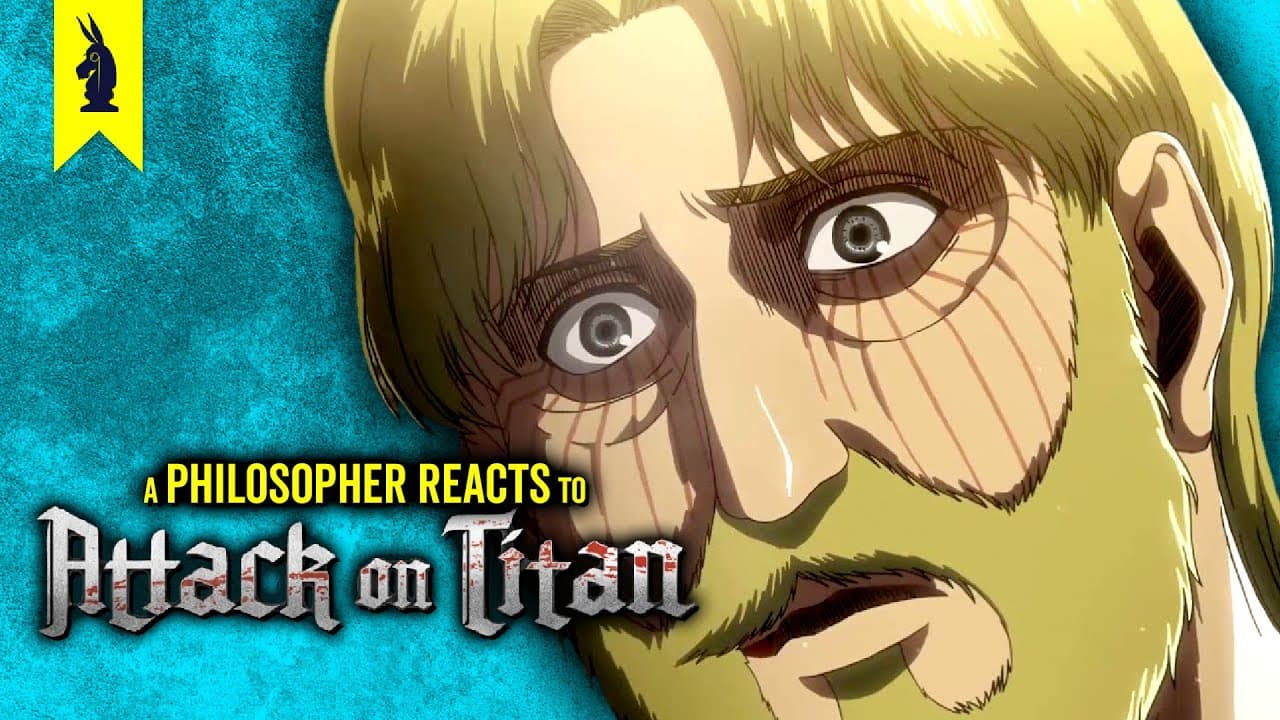
Antinatalism is the core idea examined, arguing that bringing beings into existence can cause suffering. The video analyzes Zeke’s plan in Attack on Titan, contrasts it with universal antinatalism, and explains Benatar and Edelman. It also critiques forced sterilization and the problematic use of future generations in political logic.
Transcript
(fast drumming) (energetic rock music) - What's up, Wisecrack Michael here. And today, I'm going to once again try to put a philosophy PhD to its ideal use. Talking about anime. And specifically today I'm watching Attack on Titan. Now I'll be honest. This is not a show I'd previously seen but some of the fellow Wisecrack staff said, Michael we need... Read More
Key Insights
- Antinatalism is defined as the belief that procreation is morally questionable because it creates life with potential suffering.
- Zeke advocates a plan to end future suffering for Eldians, which is framed as a form of species specific antinatalism within the show.
- Benatar argues that existence guarantees suffering, making non existence the only guaranteed way to avoid harm.
- Edelman challenges the idea of the child as an inexhaustible future to be sacrificed for political goals.
- The video distinguishes between preventing suffering for a group and embracing universal antinatalism, noting ethical risks.
- Forced sterilization is presented as ethically problematic even if it is argued to save future generations from suffering.
- The discussion connects fictional plot devices to real world debates in ethics, climate change, and population planning.
- The host emphasizes that antinatalism in the show is mixed with fascist eugenics concerns, complicating the philosophy.
- More videos from this channel:
- More from this channel: Wisecrack
Install to Summarize YouTube Videos and Get Transcripts
Explore YouTube Video Summarizer or Get YouTube Transcript Extractor
Questions & Answers
Q: A real search query question about the video (e.g. 'How to...', 'What is...', 'Why does...', 'When should...'). Question 1
Antinatalism in philosophy asks whether bringing new people into existence is morally wrong due to the inevitable suffering life can entail. The video shows Zeke proposing a plan in Attack on Titan to end future suffering by sterilizing Eldians, which raises questions about who should decide who is born and the ethical boundaries of population control. It also contrasts this with universal antinatalism and explains how context matters for such arguments.
Q: What is antinatalism as discussed in the video
Antinatalism is the view that procreation and bringing human lives into existence is morally wrong because existence involves suffering. The video explains this through the character Zeke, who imagines ending suffering for his people by preventing births. It then differentiates this limited, group specific form from universal antinatalism and notes ethical complications.
Q: How does the video relate antinatalism to real world philosophers
The video mentions David Benatar, a contemporary antinatalist who argues that refraining from creating lives avoids inevitable suffering. It also references Lee Edelman, who critiques the idea of sacrificing children for a future. These philosophers are used to analyze Zeke’s plan and to show how fictional plots reflect ongoing debates about suffering, existence, and future generations.
Q: Why is forced sterilization criticized in the video
Forced sterilization is criticized because it involves coercive control over individuals and infringes on autonomy, even if framed as preventing future suffering. The video points out that ending someone’s potential life choices for the sake of a perceived better future raises serious ethical red lines and echoes broader concerns about eugenics and human rights.
Q: What is the distinction between Zeke’s antinatalism and universal antinatalism
Zeke’s antinatalism targets a specific group, Eldians, whereas universal antinatalism argues against procreation for all humans. The video explains that this narrowing changes the ethical landscape, making the argument controversial because it can justify targeted oppression or coercive measures rather than a general moral conclusion about birth.
Q: How does Edelman’s No Future relate to the video’s argument
Edelman’s No Future critiques the idea that the future children always justify present actions, suggesting the child is an end rather than a means. The video uses this to show that Zeke’s plan aims to erase a future for both groups, which is ethically problematic because it treats the future as something to be manipulated for the present.
Q: What broader topics does the video connect to antinatalism
The discussion links antinatalism to environmental concerns about a deteriorating future, climate change, and general human flourishing. It also touches on the ethics of how societies treat existing and future generations, the potential for coercive politics, and the tension between protecting a group and harming others in the process.
Q: What is the video’s overall stance on antinatalism in fiction
The video presents antinatalism as a provocative idea that can illuminate ethical questions about suffering, agency, and future generations, but it also cautions that applying these ideas to real world policies requires careful consideration of autonomy, rights, and power dynamics. It treats Zeke’s approach as a complex fictional case study.
Summary & Key Takeaways
-
The video introduces antinatalism as a philosophy that questions the morality of birth and suffering, applying it to a fictional Eldian context from Attack on Titan.
-
It differentiates between Zeke’s Eldian specific antinatalism and universal antinatalism, highlighting ethical issues and real world implications.
-
It concludes by examining No Future pessimism about the role of children in political goals and the tension with humanitarian ethics.
Read in Other Languages (beta)
Share This Summary 📚
Summarize YouTube Videos and Get Video Transcripts with 1-Click
Try YouTube Summary with ChatGPT & Claude or YouTube Transcript Generator