Why Is Art So Expensive?
TL;DR
Art is so expensive because perceived origin, provenance, collector demand, trends, and market intermediaries can push prices far beyond an artwork’s initial sale value. Salvator Mundi rose from a $72 auction sale in 1958 to more than $450 million in 2017 amid claims and debate about Leonardo da Vinci’s authorship. Read on to see how patronage, dealers, guilds, appraisers, and auction houses shaped this market.
Transcript
What would you buy with $35 million dollars? A really big diamond? Your own airplane? Maybe a few private islands? Perfectly affordable. But If you were hoping to nab this relatively modestly-sized oil painting by Vincent Van Gogh, I’m afraid you’re out of luck. It recently sold at auction for $71 million dollars. It’s disappointing, I know. Th... Read More
Key Insights
- Art prices are influenced by patronage, market trends, and provenance.
- Patronage historically controlled art creation and distribution in Europe.
- The free market allowed artists more creative freedom and independence.
- Art appraisers evaluate works to determine their financial value.
- Colonialism contributed to the flow of art into European collections.
- The gallery industrial complex benefits a small elite, not most artists.
- Artworks often gain value through perceived historical significance.
- Contemporary artists critique the art market's excesses and inequalities.
Install to Summarize YouTube Videos and Get Transcripts
Explore YouTube Video Summarizer or Get YouTube Transcript Extractor
Questions & Answers
Q: Why is art so expensive?
Art can become expensive because its price reflects perceived origin, provenance, historical significance, trends, and collector demand. Dealers, appraisers, and auction houses also help determine, communicate, and increase market value as works change hands.
Q: How did patronage shape the European art market?
Under patronage, wealthy people commissioned artists to create specific works and paid them directly. Patrons had substantial control over the materials, techniques, and subject matter, which restricted artists’ creative freedom.
Q: How did the art market change in the 17th century?
In the first half of the 17th century, economic growth and expanding trade helped create a freer market for art. In the Dutch Republic, artists made non-commissioned works and sold them through bookstores, fairs, and even directly on the street, giving them more freedom from patrons.
Q: What roles did art guilds and dealers play in setting prices?
Art guilds established standards for what made art valuable, helped artists set prices, and connected them with buyers. Full-time dealers bought works from guilds and workshops, offered wealthy collectors varied choices, and resold the art for more than they paid.
Q: How did trends and auction houses change art sales?
By the dawn of the 18th century, purchases increasingly followed trends rather than focusing only on legacy and power. Collectors sold works as their tastes changed, while auction houses such as Sotheby’s and Christie’s profited from sales through the 18th and 19th centuries.
Q: What do art appraisers and provenance records reveal about value?
Appraisers investigate and analyze artworks to estimate their financial value, which can change substantially between one sale and the next. Specialists, dealers, and auction houses also document provenance, the journey from an artwork’s creation through its subsequent sales, to help assess its origin story.
Q: Why did Salvator Mundi become so valuable?
Salvator Mundi sold for $72 in 1958 and for a little over $10,000 after resurfacing at an American estate sale in 2005. After restoration led dealers to attribute it to Leonardo da Vinci, it sold for around $75 million in 2013, then over $127 million later that year, and over $450 million in 2017, despite continuing doubts about the attribution.
Q: Who benefits when an artwork rises in value?
The art market can benefit a small group of wealthy collectors, dealers, and auction houses as works are resold at higher prices. According to the existing page material, most artists receive little profit from secondary sales, even when their work later becomes much more valuable.
Summary & Key Takeaways
-
Art prices have evolved from patronage systems to a complex global market. Historically, art was commissioned by wealthy patrons, but with economic growth, artists gained more freedom to create independently. The art market's value is influenced by provenance, trends, and historical significance, often benefiting a few wealthy collectors while most artists see little profit from secondary sales.
-
The free market allowed artists to create non-commissioned works and sell them independently, leading to a diverse art market. Art dealers emerged, connecting artists with buyers and setting prices. This shift allowed for more creative freedom but also introduced complexities in determining art's value, often based on provenance and market trends.
-
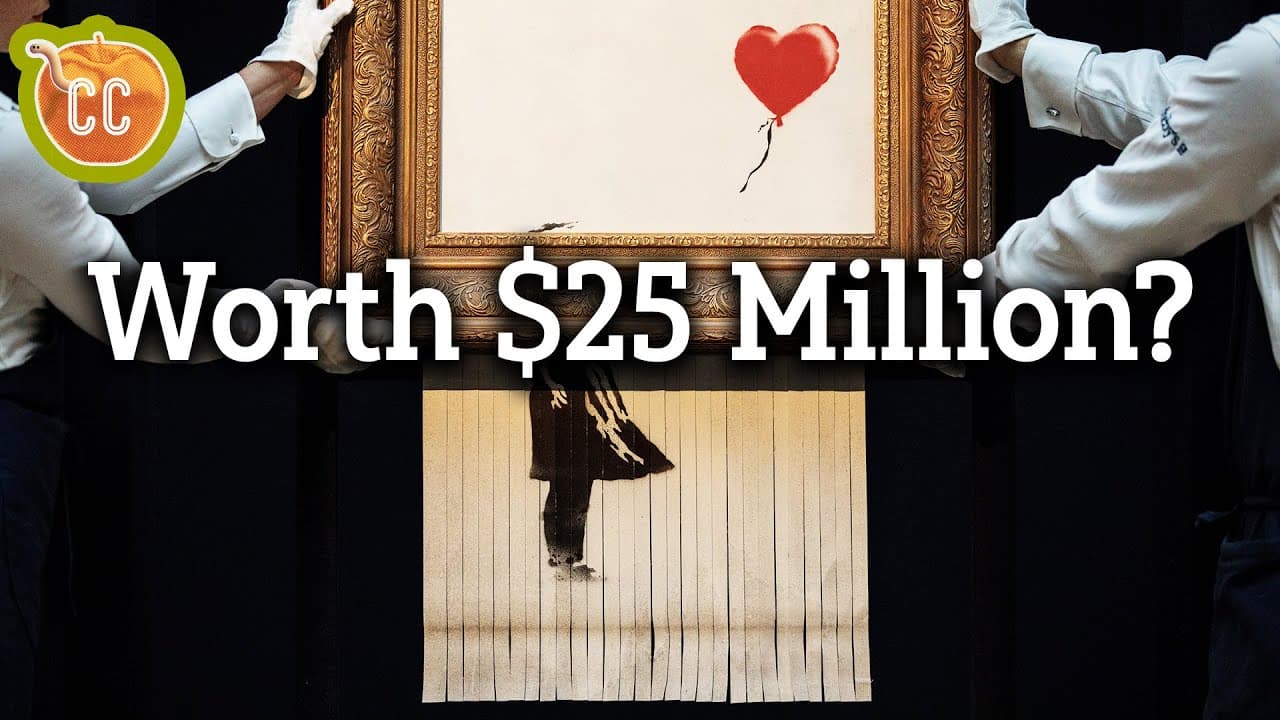
Colonialism played a significant role in the art market, with many artworks taken from their original contexts and sold to European collectors. This raises ethical questions about ownership and restitution. Meanwhile, contemporary artists like Banksy critique the market's excesses, highlighting how perceived value can inflate prices, often benefiting a small elite.
Read in Other Languages (beta)
Share This Summary 📚
Summarize YouTube Videos and Get Video Transcripts with 1-Click
Try YouTube Summary with ChatGPT & Claude or YouTube Transcript Generator
Explore More Summaries from CrashCourse 📚






Summarize YouTube Videos and Get Video Transcripts with 1-Click
Try YouTube Summary with ChatGPT & Claude or YouTube Transcript Generator