Why Do Hospital Infections Occur and How Can They Be Prevented?
TL;DR
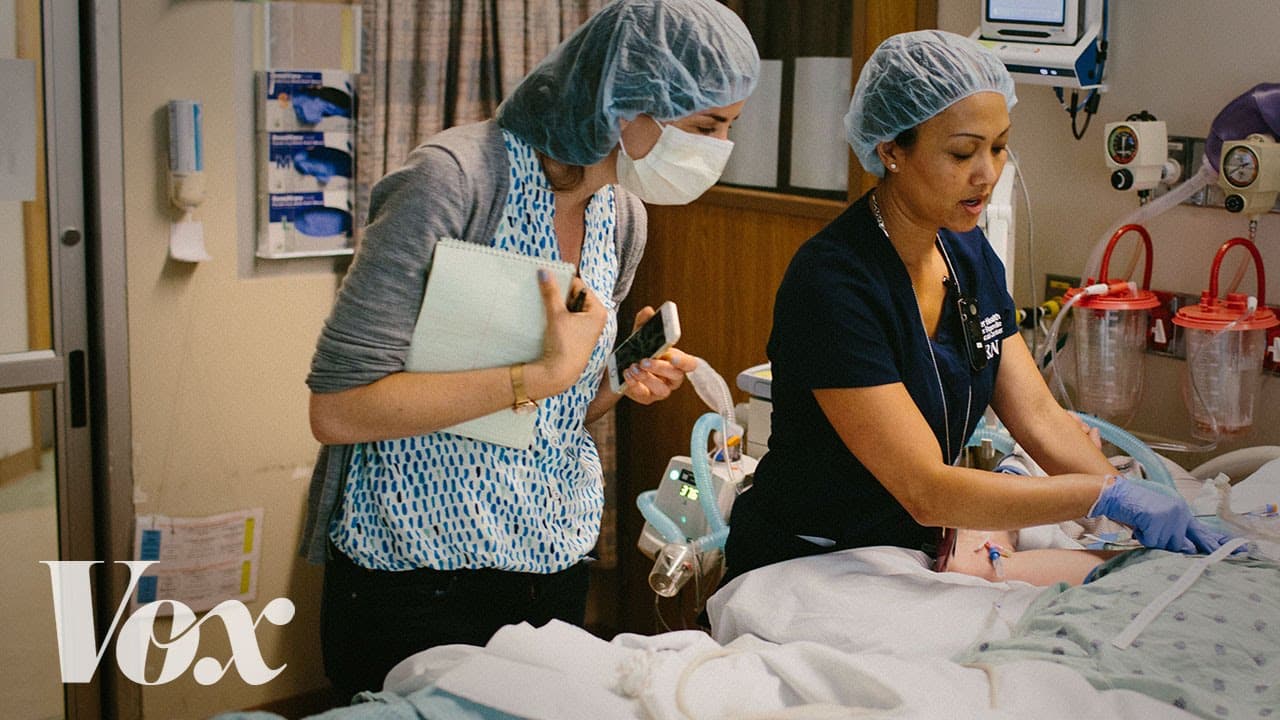
Hospital infections can often be prevented with rigorous adherence to sanitation protocols and a zero-tolerance mindset. While some hospitals view infections as inevitable, others have successfully eliminated them by treating each case as a defect to learn from, significantly improving patient safety and outcomes.
Transcript
When a plane crashes, it's kind of a big deal. "Continuing coverage now on the Asiana plane crash investigation." "Investigators try to figure out what went so terribly wrong." People freak out. There's usually a big investigation and a bunch of policy changes to make planes safer. A plane crash investigation committee from several nations includin... Read More
Key Insights
- Hospital errors, particularly infections, can be seen as preventable or inevitable, affecting patient outcomes significantly.
- Central line infections are a common issue, with some hospitals achieving zero infections through strict protocols.
- A zero-tolerance approach to infections can drastically reduce patient harm and improve hospital safety standards.
- Investigating every infection as a defect can lead to significant improvements in healthcare practices.
- Cultural attitudes within hospitals, whether viewing infections as preventable or unavoidable, shape patient safety outcomes.
- Patient harm often results from a lack of rigorous investigation and policy changes following medical errors.
- Hospitals with a zero-tolerance policy for infections often see better patient outcomes and reduced mortality rates.
- Learning from patient harm incidents is crucial for healthcare systems to improve and reduce future errors.
Install to Summarize YouTube Videos and Get Transcripts
Explore YouTube Video Summarizer or Get YouTube Transcript Extractor
Questions & Answers
Q: What is the main focus of the video content?
The video focuses on how hospitals handle preventable medical errors, particularly central line infections, and the impact of their attitudes—whether viewing these errors as preventable or inevitable—on patient outcomes. It emphasizes the importance of adopting a zero-tolerance policy towards infections to improve patient safety.
Q: How do different hospitals approach central line infections?
Different hospitals approach central line infections with varying attitudes. Some treat them as inevitable tragedies, similar to car crashes, while others adopt a zero-tolerance policy, akin to plane crashes, implementing strict protocols to prevent infections and improve patient safety.
Q: What role does hospital culture play in patient safety?
Hospital culture plays a crucial role in patient safety by shaping attitudes towards medical errors. A culture that views errors as preventable and investigates each incident can lead to significant improvements in safety protocols and patient outcomes, reducing harm and mortality rates.
Q: Why is investigating every infection important?
Investigating every infection is important because it allows hospitals to identify and address the root causes of medical errors. This approach helps improve safety protocols, prevent future infections, and ultimately save lives by reducing preventable harm and enhancing patient care standards.
Q: What was the outcome of implementing a zero-tolerance policy for infections?
Implementing a zero-tolerance policy for infections led to significant improvements in patient safety. Hospitals that adopted this approach achieved zero central line infections by enforcing strict sterilization protocols, fostering a culture of accountability, and continuously learning from each incident to prevent future errors.
Q: How did the video illustrate the impact of hospital attitudes on patient outcomes?
The video illustrated the impact of hospital attitudes on patient outcomes by comparing two hospitals with different approaches to central line infections. One hospital achieved zero infections through a zero-tolerance policy, while another viewed infections as inevitable, leading to preventable harm and patient suffering.
Q: What is the significance of learning from patient harm incidents?
Learning from patient harm incidents is significant because it allows healthcare systems to identify flaws in procedures, implement necessary changes, and prevent future errors. This proactive approach can improve patient safety, reduce mortality rates, and foster a culture of continuous improvement in healthcare.
Q: What is the potential impact of shifting towards a preventable mindset in healthcare?
Shifting towards a preventable mindset in healthcare has the potential to drastically reduce patient harm and mortality rates. By viewing medical errors as preventable, healthcare providers can implement rigorous safety protocols, learn from each incident, and create a culture focused on improving patient outcomes and safety.
Summary & Key Takeaways
-
The video highlights the significant impact of hospital attitudes towards infections, distinguishing between those that treat them as preventable versus inevitable. This mindset affects patient outcomes and safety protocols, with some hospitals achieving zero infections through rigorous standards.
-
Central line infections are a critical issue in hospitals, with varying approaches to prevention. The video explores how a zero-tolerance policy can lead to improved patient safety and reduced mortality, emphasizing the importance of viewing infections as defects to be investigated.
-
Patient harm in hospitals often stems from a lack of thorough investigation and policy changes following errors. The video underscores the need for cultural shifts in healthcare, advocating for a preventable mindset to reduce suffering and improve patient outcomes.
Read in Other Languages (beta)
Share This Summary 📚
Summarize YouTube Videos and Get Video Transcripts with 1-Click
Try YouTube Summary with ChatGPT & Claude or YouTube Transcript Generator
Explore More Summaries from Vox 📚



Summarize YouTube Videos and Get Video Transcripts with 1-Click
Try YouTube Summary with ChatGPT & Claude or YouTube Transcript Generator