What Are the Best Ways to Store Cryptocurrency Safely?
TL;DR
To store cryptocurrency safely, consider using a cold wallet, like Trezor or Ledger, which keeps your private keys offline and offers recovery options. You can also use exchanges or financial apps, but they hold your private keys, increasing your risk. Always ensure you have a recovery seed written down for emergencies.
Transcript
a san francisco man has over 300 million dollars worth of bitcoin but he forgot his password and can't access it and he only has two more password guesses before he's locked out and loses it forever if you want to avoid this kind of nightmare here's my advice on how to store your cryptocurrency safely when you buy cryptocurrency like bitcoin it get... Read More
Key Insights
- If you store your crypto on an exchange, they hold your private key and you need to trust the company to keep it safe.
- Financial apps like PayPal and Robinhood also offer cryptocurrency options, but you are restricted to their environment and don't have access to private keys.
- Software-based wallets on your computer have the risk of hacking if connected to the internet.
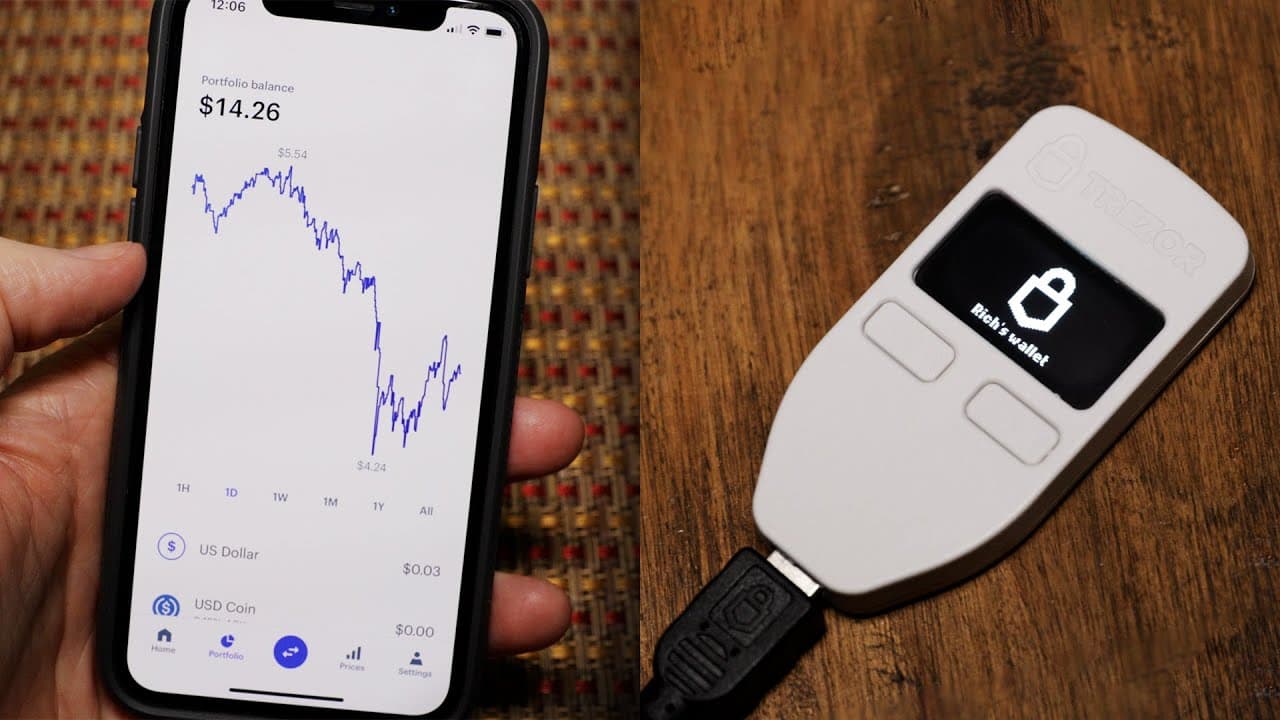
- For large sums, cold wallets are recommended, such as devices from Trezor and Ledger, as they store private keys on separate offline devices.
- Recovery seeds are crucial for wallet recovery if lost or broken, so they should be securely written down and stored.
- A San Francisco man lost access to his $300 million worth of Bitcoin because his password-encrypted hard drive allowed only 10 guesses.
- Understanding cryptocurrency before choosing a storage method is crucial, and the Trezor wallet is recommended for its combination of security and accessibility.
- It is essential to conduct research and choose a storage method that feels comfortable and secure for individual needs.
Install to Summarize YouTube Videos and Get Transcripts
Explore YouTube Video Summarizer or Get YouTube Transcript Extractor
Questions & Answers
Q: What are some different methods for storing cryptocurrency?
There are several methods for storing cryptocurrency, including exchanges, financial apps, digital wallets, and cold wallets. Exchanges like Coinbase or Gemini store the private keys for you, but you need to trust the company's security measures. Financial apps like PayPal or Robinhood also hold onto the private keys, restricting transactions to their environment. Digital wallets can be installed on personal computers, but there is a risk of hacking if the computer is connected to the internet. Cold wallets, such as Trezor or Ledger, offer the highest level of security by storing private keys on a device not connected to the internet.
Q: What precautions should be taken when storing cryptocurrency on exchanges?
When storing cryptocurrency on exchanges, it's important to consider the security measures of the exchange. While it may be convenient to keep coins on the exchange where they were purchased, large amounts should not be stored there as it requires trusting the company to keep the private keys safe. It is recommended to use exchanges primarily for trading and move larger sums to more secure storage options like cold wallets.
Q: What are the advantages and disadvantages of using financial apps to store cryptocurrency?
Financial apps like PayPal or Robinhood offer the convenience of buying and selling cryptocurrency, but they may restrict transactions within their platform and do not provide access to the private keys. This means that if you use PayPal, for example, you can only cash out with PayPal. Additionally, by trusting a third-party app with your private keys, you have less control over your coins and potentially expose yourself to security risks.
Q: What are the benefits of using a cold wallet for storing cryptocurrency?
Cold wallets, such as Trezor or Ledger, provide the highest level of security for storing cryptocurrency. Since the private keys are stored on a device disconnected from the internet, the risk of hacking is significantly reduced. These wallets often have additional software protections and the ability to set a recovery seed, allowing you to recover your coins even if the wallet is lost or broken.
Summary & Key Takeaways
-
A San Francisco man forgot his password to access his $300 million worth of Bitcoin, emphasizing the importance of secure cryptocurrency storage.
-
Different options for storing cryptocurrency include exchanges (such as Coinbase or Gemini), financial apps (like PayPal or Robinhood), digital wallets on personal computers, and cold wallets (storage devices like Trezor or Ledger that are not connected to the internet).
-
Cold wallets provide extra security with built-in software protections and the use of recovery seeds, ensuring the ability to recover coins even if the wallet is lost or broken.
Read in Other Languages (beta)
Share This Summary 📚
Summarize YouTube Videos and Get Video Transcripts with 1-Click
Try YouTube Summary with ChatGPT & Claude or YouTube Transcript Generator
Explore More Summaries from CNET 📚






Summarize YouTube Videos and Get Video Transcripts with 1-Click
Try YouTube Summary with ChatGPT & Claude or YouTube Transcript Generator