How to Choose the Best Sleeping Position for Health
TL;DR
Sleeping positions can impact health, especially for those with sleep apnea or snoring issues. Side sleeping may offer benefits for brain cleansing, while back sleeping can worsen snoring. Tools like mandibular devices and CPAP machines help manage sleep apnea. Sleep positions are influenced by skeletal ergonomics and mattress quality.
Transcript
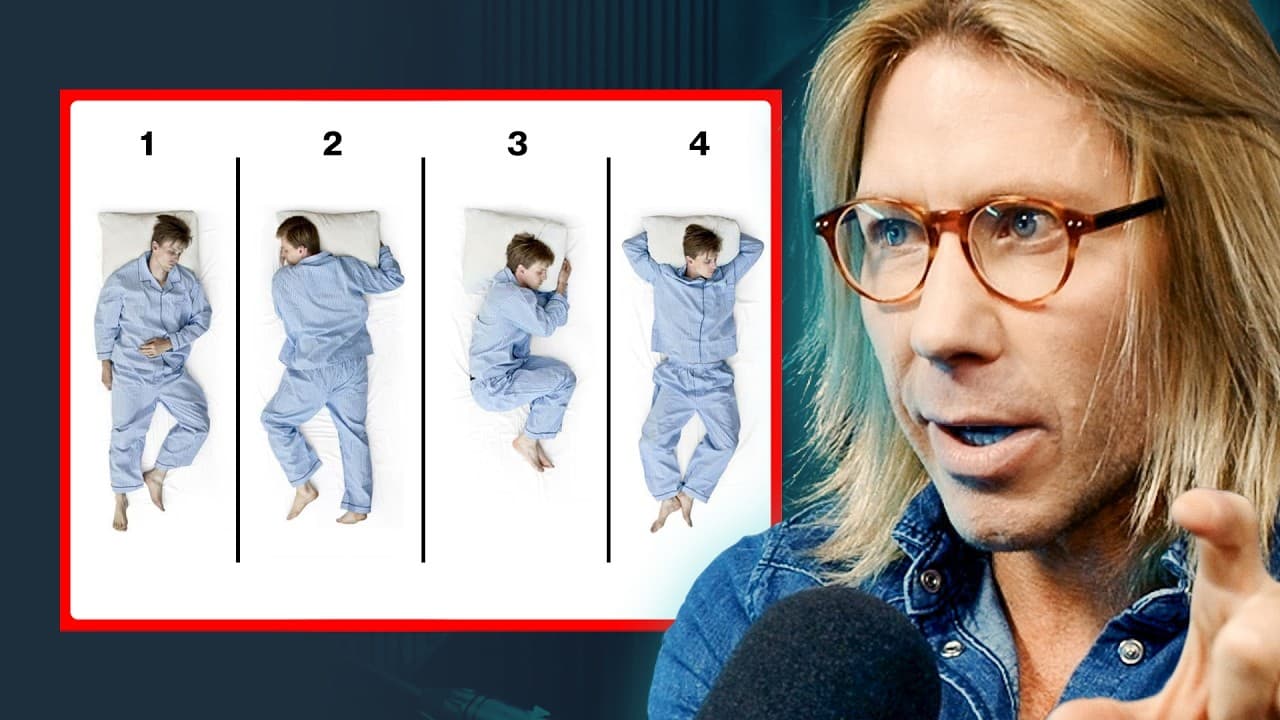
one question I had do sleeping positions matter why why why do people have habits when it comes to their sleeping positions it's really interesting that people say I'm a back sleeper I'm a side sleeper that's not really true you will typically sleep in almost all of those positions throughout the night it's just what is the dominant position and wh... Read More
Key Insights
- Most people change sleep positions throughout the night, with side sleeping being the most common.
- Back sleeping can worsen snoring and sleep apnea due to gravity's effect on the airway.
- Side sleeping may enhance the brain's cleansing process, although evidence in humans is limited.
- Snoring is caused by partial airway collapse; sleep apnea involves complete airway collapse.
- Sleep apnea is significantly underdiagnosed, affecting health and lifespan.
- Mandibular devices and CPAP machines are effective treatments for sleep apnea.
- Mattress quality and skeletal ergonomics influence preferred sleep positions.
- Mandibular devices can reduce snoring by adjusting the jaw position slightly forward.
Install to Summarize YouTube Videos and Get Transcripts
Explore YouTube Video Summarizer or Get YouTube Transcript Extractor
Questions & Answers
Q: How does sleep position affect snoring and sleep apnea?
Sleep position can significantly impact snoring and sleep apnea. Back sleeping can worsen these conditions due to gravity's effect on the airway, causing it to collapse partially or completely. Side sleeping is generally recommended to minimize these issues, as it reduces the likelihood of airway collapse, thereby improving breathing during sleep.
Q: What is the glymphatic system and its role during sleep?
The glymphatic system is the brain's cleaning mechanism that becomes active during sleep. It helps wash away metabolic waste products, including beta-amyloid and tau proteins, which are associated with Alzheimer's disease. This system is thought to be more efficient during side sleeping, although evidence in humans is still limited.
Q: What are mandibular devices and how do they work?
Mandibular devices are oral appliances designed to reduce snoring and treat mild sleep apnea. They work by slightly moving the lower jaw forward, which helps keep the airway open and reduces the likelihood of it collapsing during sleep. These devices are often custom-fitted by dentists and can be an effective alternative to CPAP machines.
Q: Why is sleep apnea underdiagnosed, and what are its risks?
Sleep apnea is underdiagnosed because many people are unaware they have it, as symptoms like snoring occur during sleep. It poses significant health risks, including increased mortality and cardiovascular issues, due to repeated breathing interruptions reducing oxygen levels and preventing deep sleep, leading to daytime fatigue and other health problems.
Q: How does mattress quality affect sleep position preferences?
Mattress quality can influence sleep position preferences by affecting comfort and spinal alignment. A supportive mattress helps maintain proper skeletal ergonomics, preventing discomfort and poor posture, which can lead to habitual sleeping positions. A poor mattress can cause discomfort, leading to positions like side sleeping to alleviate pressure points.
Q: What are CPAP machines and their benefits for sleep apnea?
CPAP machines provide continuous positive airway pressure to keep the airway open during sleep, preventing it from collapsing. They are beneficial for treating moderate to severe sleep apnea, improving sleep quality, reducing daytime fatigue, and decreasing health risks associated with untreated sleep apnea, such as cardiovascular problems and increased mortality.
Q: How can one determine if they have sleep apnea?
To determine if you have sleep apnea, consider using apps like SnoreLab to monitor snoring patterns and take online assessments like the STOP-BANG questionnaire to evaluate risk. However, definitive diagnosis requires a sleep study, which can be done at home or in a sleep clinic, to measure apnea events and oxygen saturation levels during sleep.
Q: What are the potential drawbacks of using mandibular devices?
While mandibular devices are effective for many, they may not suit everyone. Potential drawbacks include discomfort, particularly for those with smaller jaws, and the need for a period of adjustment. Custom-fitted devices by a dentist can improve comfort, but over-the-counter options may not fit as well, leading to ineffective treatment or jaw discomfort.
Summary & Key Takeaways
-
Sleeping positions affect health, particularly for those with sleep apnea or snoring. Side sleeping might aid brain cleansing, while back sleeping can exacerbate snoring. Treatments like mandibular devices and CPAP machines are available for sleep apnea. Sleep positions are determined by skeletal ergonomics and mattress quality.
-
Snoring results from partial airway collapse, while sleep apnea involves complete collapse. Many with sleep apnea are undiagnosed, risking health and lifespan. Mandibular devices and CPAP machines help manage these conditions, with mandibular devices adjusting jaw position to reduce snoring.
-
Side sleeping may optimize the brain's glymphatic cleansing system, although human evidence is limited. Sleeping positions are influenced by skeletal ergonomics and mattress quality, with side sleeping being the most common. Treatments like mandibular devices and CPAP machines are effective for sleep apnea.
Read in Other Languages (beta)
Share This Summary 📚
Summarize YouTube Videos and Get Video Transcripts with 1-Click
Try YouTube Summary with ChatGPT & Claude or YouTube Transcript Generator
Explore More Summaries from Chris Williamson 📚




Summarize YouTube Videos and Get Video Transcripts with 1-Click
Try YouTube Summary with ChatGPT & Claude or YouTube Transcript Generator