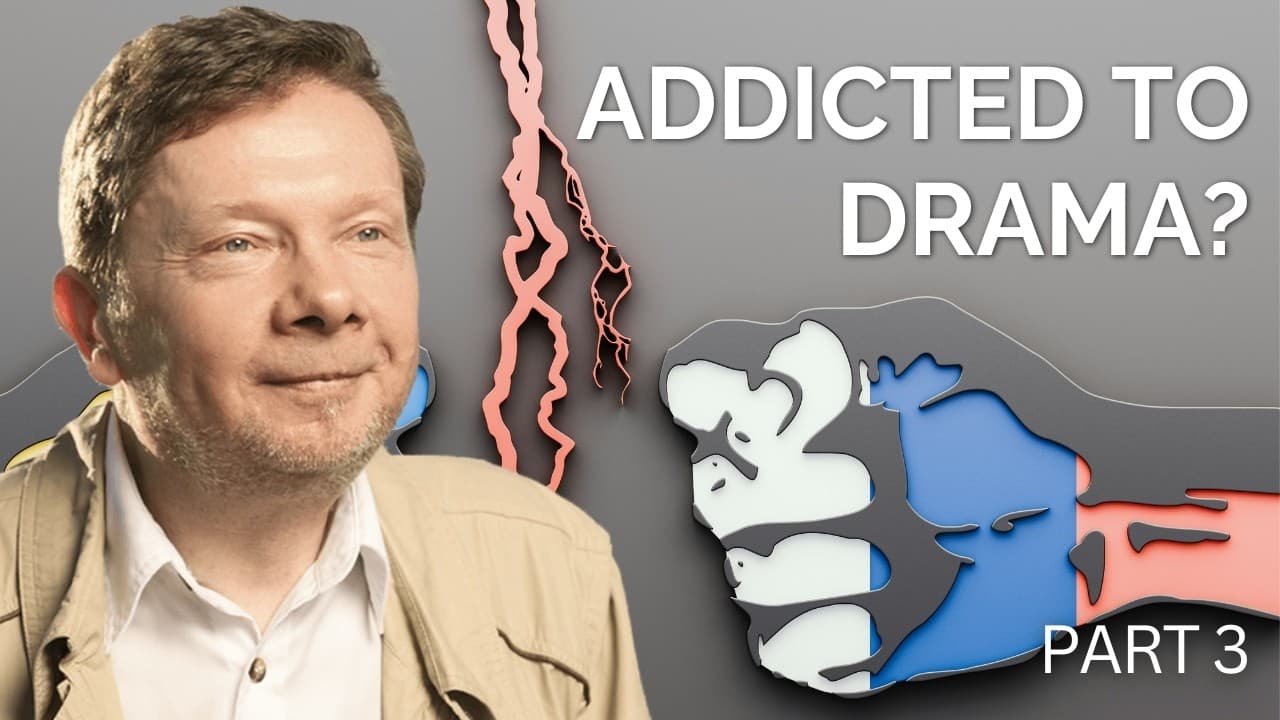
How Can Presence End Relationship Drama and Emotional Chaos? | Eckhart Tolle (Part 3)
TL;DR
Sustained presence can end relationship drama by stopping provocation from triggering a matching emotional reaction. Eckhart Tolle calls the underlying pattern the pain-body, an emotional energy field formed from accumulated suffering since childhood that feeds on further pain. By observing dark moods, hurtful words, and reactive impulses without identifying with them, one person can interrupt the cycle. Read on to understand how the pattern operates and how awareness weakens it.
Transcript
When I lived in a commune for a while, I observed that you never knew who was going to come to this communal breakfast room. The same person would be different from one day to the next. One day this lovely totally present person was coming entering the breakfast room. Uh and the next day that person a little monster was suddenly there or didn't did... Read More
Key Insights
- The pain-body is described as an emotional energy field composed of accumulated suffering and the remnants of emotional wounds from childhood. It can influence a person’s mood and behavior so strongly that the person appears to become someone entirely different.
- Relationship drama is sustained when one person’s negative emotional state provokes a matching reaction in another person. Once both people become reactive, they may shout, make hurtful remarks, and participate in unhappiness even though neither person is genuinely at peace.
- The pain-body has a dormant state during which its influence may be barely noticeable. Tolle says the length of dormancy varies between people, but the pattern eventually becomes active again because it seeks more emotional energy that resembles its existing pain.
- Emotional provocation is one way the pain-body obtains matching energy from another person. It uses knowledge of a close partner’s vulnerabilities, says something hurtful, and pushes familiar emotional buttons until the partner reacts and awakens a similar pattern within themselves.
- Two active pain-bodies can create recurring cycles of conflict in a relationship. The couple may repeatedly argue, reconcile, enjoy a peaceful interval, and then return to drama because neither person recognizes the unconscious emotional process driving their behavior.
- A dark mood can color a person’s entire personality and create an urge to pull someone else into the same emotional state. Tolle identifies this urge as the pain-body seeking resonance, rather than the person acting from conscious awareness and presence.
- Presence is the capacity that prevents unconscious emotional energy from taking control. When a powerful negative mood or provocation appears, sustained awareness creates enough space to observe it without automatically answering with anger, defensiveness, or another matching emotional reaction.
- The light of presence dissolves drama by denying the pain-body the reactivity on which it feeds. Tolle illustrates this through encounters requiring careful attention to every word, where absolute presence prevented a volatile emotional pattern from rising and controlling the interaction.
Install to Summarize YouTube Videos and Get Transcripts
Explore YouTube Video Summarizer or Get YouTube Transcript Extractor
Questions & Answers
Q: How can presence stop relationship drama?
Presence creates awareness between a provocation and the response to it. When one person stays attentive instead of reacting automatically, their own pain-body is less likely to awaken, preventing both people from being pulled into shouting, hurtful remarks, and shared unhappiness.
Q: What is the pain-body according to Eckhart Tolle?
The pain-body is an emotional energy field made from accumulated pain and suffering. Tolle says remnants of emotional wounds build up from childhood and can periodically take over a person’s mood, speech, and behavior.
Q: Why do couples repeat the same emotional conflicts?
An active pain-body may provoke a similar emotional pattern in the other person by targeting familiar vulnerabilities. The couple may later make up and experience peace, but the drama returns because they have not consciously recognized the process driving their reactions.
Q: How does the pain-body feed on emotional reactions?
Tolle says the pain-body cannot feed on happiness or joy; it seeks emotional energy corresponding to its own pain. It may say something hurtful, push another person’s emotional buttons, and use the resulting anger or defensiveness to awaken that person’s pain-body.
Q: Why can a negative mood seem to change someone’s personality?
When the pain-body becomes active, a dark mood can color a person’s entire personality and make them appear unlike their usual self. They may become withdrawn, hostile, or provocative and feel an urge to draw someone else into the same emotional state.
Q: What should you do when someone tries to provoke you?
Remain fully attentive to the other person’s words, your internal reaction, and the impulse to retaliate. Sustaining presence keeps you from automatically supplying the anger, hurt, or defensiveness that the provocation seeks.
Q: Why do some couples appear to enjoy their unhappiness?
Tolle says the people themselves are not happy, but their active pain-bodies feed on the relationship drama. Once both partners become reactive, the exchange of accusations and hurtful remarks generates more emotional pain and sustains the pattern.
Q: Why does the pain-body become active after being dormant?
The pain-body may remain dormant for a period that varies from person to person, during which it is barely noticeable. Tolle says it eventually becomes active because it seeks more emotional pain matching its own low emotional frequency.
Summary & Key Takeaways
-
Eckhart Tolle describes how a person can shift from being present and approachable to becoming deeply negative, withdrawn, or provocative. In close relationships, this change can trigger the other person’s emotional reactions, producing arguments in which both participants say hurtful things and become absorbed in shared unhappiness and recurring drama.
-
Tolle calls the force behind this reactivity the pain-body, an emotional energy field formed from remnants of suffering accumulated since childhood. It can remain dormant for varying periods, but eventually seeks additional emotional pain. It feeds by provoking reactions that match its own negative emotional frequency, especially from people in close relationships.
-
The cycle can end when one person sustains conscious presence instead of reacting. Tolle says the pain-body cannot operate within the light of presence because awareness prevents unconscious emotional energy from taking control. Remaining attentive to words, moods, and impulses makes it possible to avoid feeding conflict and preserve peace during emotionally charged encounters.
Read in Other Languages (beta)
Share This Summary 📚
Summarize YouTube Videos and Get Video Transcripts with 1-Click
Try YouTube Summary with ChatGPT & Claude or YouTube Transcript Generator
Explore More Summaries from Eckhart Tolle 📚

Summarize YouTube Videos and Get Video Transcripts with 1-Click
Try YouTube Summary with ChatGPT & Claude or YouTube Transcript Generator