How to Resolve SEO and Search Console Issues with Google

TL;DR
To effectively resolve SEO and Search Console issues, provide detailed information about your specific problems for accurate guidance. John Mueller emphasizes the significance of unique content for multi-language sites to prevent indexing conflicts and advises that Google's algorithm updates can affect both search and Discover results. For legal matters like DMCA complaints, it's recommended to seek legal counsel rather than relying on Google.
Transcript
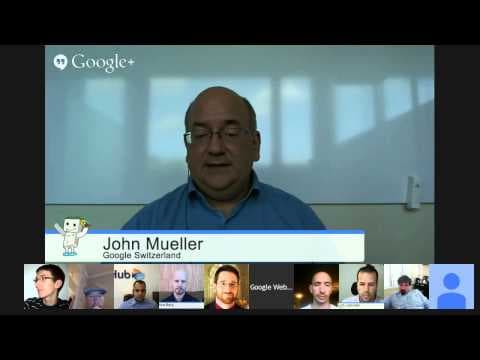
JOHN MUELLER: All right. Welcome, everyone, to today's Webmaster Central office hours hangout. My name is John Mueller. I am webmaster trends analyst here at Google in Switzerland. And part of what we do are these office hour hangouts where people can join in and ask their questions around SEO, their website, search, whatever. A whole bunch of stuf... Read More
Key Insights
- John Mueller emphasizes the importance of providing detailed information when seeking help for indexing issues, as it allows for more accurate assistance.
- For multi-language websites, using subdirectories instead of subdomains can simplify verification in Google Search Console.
- Significant content differences between similar pages in different regions can prevent Google's indexing system from folding them together.
- Google's algorithm updates can impact both organic search and Google Discover, as they share similar systems.
- Footer links within the same company do not need to be nofollowed, but excessive cross-linking might attract scrutiny.
- Google's new structured data tool is slower because it processes pages through the full indexing pipeline, unlike the old tool.
- Google tries to identify the original source of content, but it's not always clear-cut, especially if another site adds value.
- Legal issues like DMCA complaints are outside Google's purview; site owners should seek legal advice for such matters.
Install to Summarize YouTube Videos and Get Transcripts
Explore YouTube Video Summarizer or Get YouTube Transcript Extractor
Questions & Answers
Q: How can I verify subdirectories in Search Console for a multi-language site?
If the main domain is verified, you can add subdirectories and subdomains directly in Search Console. If verification isn't working with the current method, try using domain-level verification with DNS, which allows adding subdirectories without extra verification.
Q: Why might my Canadian subdomain not appear in search results?
If the Canadian and US pages have the same language content, Google's systems might fold them together. Making the Canadian page significantly different can help. If hreflang is set up, Google may still show the correct URL in search results despite Search Console showing the canonical.
Q: How does Google handle affiliate links without rel nofollow or rel sponsored?
Google often treats common affiliate links as nofollow internally. While it's best practice to use rel nofollow or rel sponsored, Google's systems generally recognize and handle known affiliate setups, reducing the risk of penalties.
Q: Why are some pages not ranking despite being industry leaders?
There is no algorithmic limitation preventing a page from ranking on page 1. If your content is not ranking, it might be due to high competition or other factors. Ensuring your content is unique and valuable can help improve rankings.
Q: What should I do if my site faces a fraudulent DMCA attack?
Google follows a legal process for DMCA complaints. If you're facing fraudulent claims, it's important to seek legal advice. Google does not have a service to determine original content ownership, and legal resolution is necessary.
Q: How does Google decide which version of duplicate content to show?
Google uses various systems to determine which version of content to show. Factors include the additional value a site might add to the content. If a site consistently copies content, Google may prefer the original sources.
Q: Are change frequency and priority attributes in sitemaps used by Google?
Google does not use change frequency or priority attributes in sitemaps. Only the URL and last modification date are considered, which help Google recognize new and updated content more efficiently.
Q: What is Google's stance on intrusive pop-ups?
Google considers pop-ups that cover the majority of the screen as intrusive. Pop-ups that do not interfere with the main content are generally acceptable. Legal overlays like cookie consent are recognized and treated differently.
Summary & Key Takeaways
-
John Mueller conducts a Google Webmaster Central office-hours session, addressing various webmaster-related topics like SEO, indexing, and Search Console issues. Participants ask questions about technical difficulties, and John provides insights and solutions based on Google's best practices and algorithms.
-
Key topics discussed include multi-language websites, the impact of Google's algorithm updates on organic search and Google Discover, and the importance of detailed information when seeking help with indexing issues. John also covers the nuances of footer links and structured data tool performance.
-
The session also touches on legal issues like DMCA complaints, where John advises seeking legal counsel as Google cannot provide legal advice. Overall, the session offers valuable insights into managing SEO and website indexing challenges.
Read in Other Languages (beta)
Share This Summary 📚
Summarize YouTube Videos and Get Video Transcripts with 1-Click
Try YouTube Summary with ChatGPT & Claude or YouTube Transcript Generator
Explore More Summaries from Google Search Central 📚

Summarize YouTube Videos and Get Video Transcripts with 1-Click
Try YouTube Summary with ChatGPT & Claude or YouTube Transcript Generator