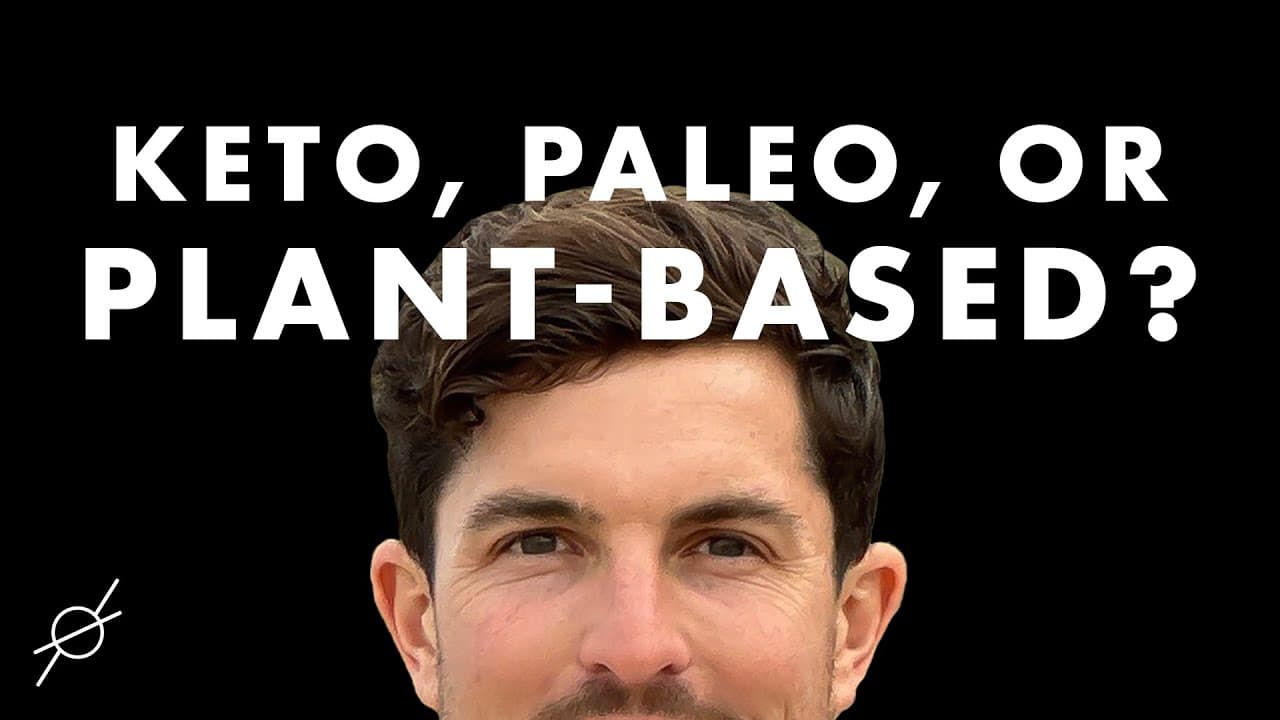
Why Does Whole-Food Plant-Based Eating Beat Paleo and Keto for Blood Glucose? Drew Harrisberg × Rich Roll
TL;DR
Diet affects blood glucose management, and Drew Harrisberg’s search for an optimal approach took him from paleo to keto and ultimately whole-food plant-based eating. Diagnosed with type 1 diabetes at age 22, he combines lived experience with training as an exercise physiologist, sports scientist, and diabetes educator. Read on for his warning signs, diagnostic results, and discussion with Rich Roll about managing different forms of diabetes.
Transcript
you might even have diabetes unknowingly a lot of the people who are undiagnosed aren't visiting their doctor they're not tracking any data whatsoever so they're walking around with with diabetes not knowing it which is a silent killer increasing her risk of cardiovascular disease and all these other metabolic issues I'm educated I'm an exercise ph... Read More
Key Insights
- Diabetes can remain undiagnosed when people do not visit a doctor or track relevant health data. Harrisberg characterizes it as a silent killer because an unnoticed condition can increase the risk of cardiovascular disease and other metabolic problems.
- Type 1 diabetes changed Harrisberg’s understanding of the condition despite his academic training. He had studied diabetes as an exercise physiologist and sports scientist, but living with the diagnosis revealed a depth that professional education alone had not conveyed.
- Unexplained weight loss was an early warning sign in Harrisberg’s case. His body weight fell from a normal preseason level of about 83 kilograms to roughly 70 kilograms even though he had not intentionally changed his diet and was training for rugby.
- Severe fatigue became a dangerous symptom before Harrisberg received a diagnosis. He struggled to stay awake during a face-to-face interview, repeatedly fell asleep while driving, and once woke only inches from the wall of a tunnel after drifting across a lane.
- HbA1c is described as a marker of average blood glucose control over approximately three months. Harrisberg’s result was 6.6%, which he said was in diabetes territory, while the desired value discussed in the conversation was below 5.5%.
- Autoimmune antibody testing helped clarify Harrisberg’s abnormal HbA1c result. Tests for GAD and IA2 antibodies, which indicate that the body is attacking itself, returned values in the thousands when they were expected to be below 10.
- Type 1 diabetes requires management rather than the same prevention or reversal discussion applied to other forms of diabetes. The conversation distinguishes type 1, type 2, and prediabetes while examining which conditions may respond differently to lifestyle, movement, mindset, and nutrition.
- Harrisberg’s dietary search progressed from paleo to ketogenic eating and then to a whole-food plant-based approach. The broader discussion focuses on how diet affects blood glucose management and how a person with type 1 diabetes can thrive as an athlete and educator.
Install to Summarize YouTube Videos and Get Transcripts
Explore YouTube Video Summarizer or Get YouTube Transcript Extractor
Questions & Answers
Q: How does diet affect diabetes and blood sugar management?
The conversation presents nutrition as one part of managing blood glucose alongside lifestyle, movement, and mindset. Drew Harrisberg’s search for an optimal diet took him from paleo to ketogenic eating and then to a whole-food plant-based approach.
Q: What symptoms led Drew Harrisberg to investigate diabetes?
Harrisberg experienced unexplained weight loss and overwhelming fatigue during a decline lasting about 6 to 12 months. He struggled to stay awake during an interview and repeatedly fell asleep while driving, including an incident in which he woke inches from a tunnel wall.
Q: Why was Drew Harrisberg’s weight loss concerning?
His weight dropped from a normal preseason level of about 83 kilograms to roughly 70 kilograms while he was training for rugby. He had not intentionally changed his diet and was actively trying to maintain a strong body for the sport.
Q: What did Drew Harrisberg’s HbA1c result show?
His HbA1c was 6.6%, which he described as within diabetes territory and above the desired level of 5.5%. The conversation describes HbA1c as a marker of average blood glucose control over approximately three months.
Q: How was Drew Harrisberg’s type 1 diabetes investigated?
After the elevated HbA1c result, follow-up testing examined GAD and IA2 autoimmune antibodies. The values were in the thousands despite being expected below 10, providing strong evidence that his body was attacking itself and prompting specialist evaluation.
Q: Why can diabetes remain undiagnosed?
Harrisberg says many undiagnosed people neither visit a doctor nor track relevant health data. They can therefore live with diabetes unknowingly while facing increased risks of cardiovascular disease and other metabolic problems.
Q: What forms of diabetes do Drew Harrisberg and Rich Roll discuss?
They discuss the differences among type 1 diabetes, type 2 diabetes, and prediabetes. The conversation distinguishes conditions that may be prevented or reversed from those that must be managed through lifestyle, movement, mindset, and nutrition.
Q: Who is Drew Harrisberg, and how has diabetes shaped his work?
Drew Harrisberg is an exercise physiologist, sports scientist, diabetes educator, athlete, and person living with type 1 diabetes. Diagnosed at age 22, he turned his experience into a mission to understand diabetes physiology and share practical information through coaching, his online platform Drew’s Daily Dose, podcasts, and public education.
Summary & Key Takeaways
-
Drew Harrisberg is an exercise physiologist, sports scientist, diabetes educator, athlete, and person living with type 1 diabetes. Diagnosed at age 22, he turned his experience into a mission to understand diabetes physiology, manage the condition effectively, and share practical information through coaching, an online platform, podcasts, and public education.
-
Before his diagnosis, Harrisberg lost roughly 10 to 12 kilograms without changing his diet and experienced overwhelming fatigue. He fell asleep during an interview and repeatedly while driving. After narrowly avoiding a tunnel wall, he contacted his doctor parents and underwent urgent blood testing to determine what was causing his declining health.
-
Testing revealed an HbA1c of 6.6%, which Harrisberg described as within diabetes territory and above the desired level of 5.5%. Follow-up tests found GAD and IA2 autoimmune antibodies in the thousands despite values being expected below 10, providing strong evidence that his body was attacking itself and prompting specialist evaluation.
Read in Other Languages (beta)
Share This Summary 📚
Summarize YouTube Videos and Get Video Transcripts with 1-Click
Try YouTube Summary with ChatGPT & Claude or YouTube Transcript Generator
Explore More Summaries from Rich Roll 📚





Summarize YouTube Videos and Get Video Transcripts with 1-Click
Try YouTube Summary with ChatGPT & Claude or YouTube Transcript Generator