How to Choose the Best Way to Meet Marketing Goals
TL;DR
Define the objective, generate several possible approaches, and select the option most likely to accomplish it effectively. A page intended to sell a book should make the book, its audience, value, supporting details, and purchase path immediately clear, while removing imagery, labels, navigation, and extra clicks that distract from that objective.
Transcript
welcome to another version of the quick win clinic I'm looking at a page submitted by Brian now this is the first time I'm looking at the page and as I do my eyes move across it putting on the lens of the conversion heuristic and I began to see essential problems the question I have as I start this time together with you is what is the most product... Read More
Key Insights
- The most effective objective question is not merely how something can be accomplished, but which available approach is most likely to accomplish it effectively. This wording forces marketers to generate multiple options and then select the strongest option instead of accepting the first plausible tactic.
- Every page element should be evaluated against the primary marketing objective. On a page intended to sell a book, the site name, slogan, image, headline, supporting copy, navigation, and calls to action should contribute to understanding the book or making the purchase decision.
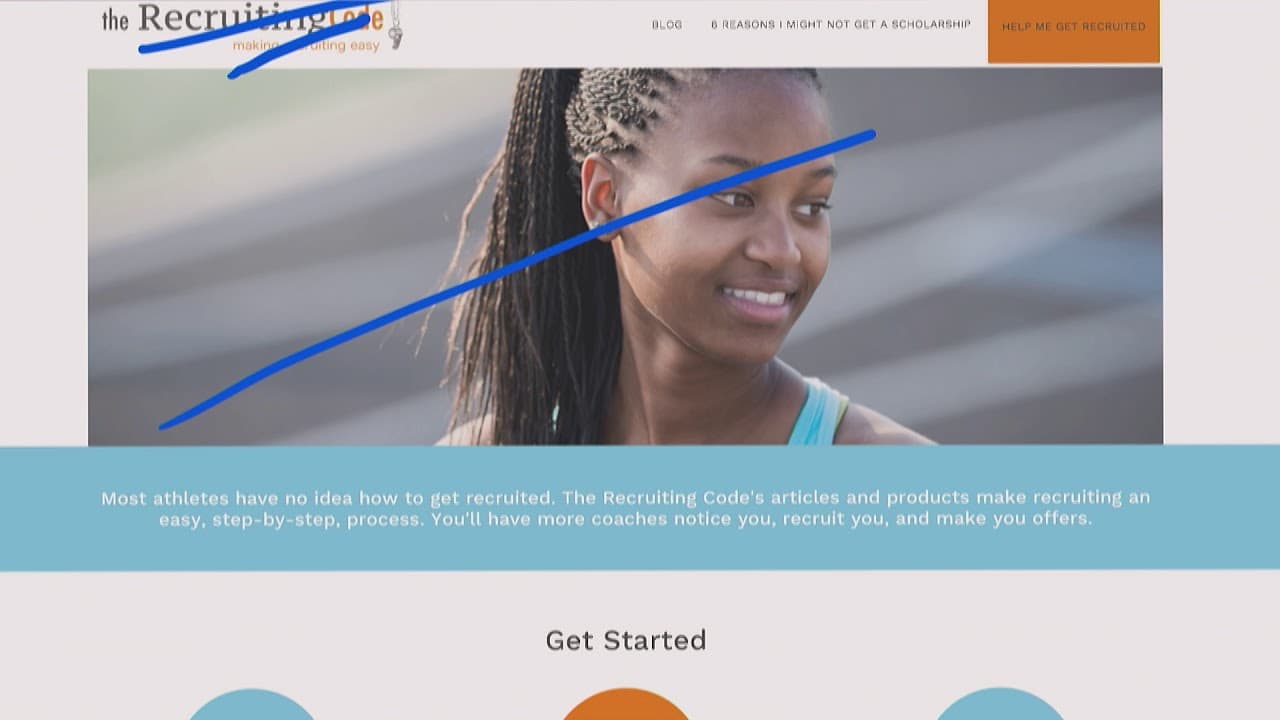
- The book is effectively absent from the first half of the reviewed page. Visitors encounter the site name, slogan, image, resource messaging, and references to college coaches before receiving a clear indication that a book exists, which prevents the page from performing its primary sales work.
- Audience clarity is necessary for persuasive communication. The reviewed page is meant to address high school athletes, but phrases such as “make recruiting easy” can sound as though they target coaches, while other labels create uncertainty about whether the book or site is intended for athletes or college coaches.
- Page design should support a linear thought sequence. Placing an unexplained image at the top, separating the main message inside a bar, and positioning a possible headline below the image disrupt the visitor’s expected progression from an opening message to supporting information.
- A headline should capture attention and convert it into interest. The phrase about getting a plan, getting recruited, and fulfilling a dream is considered a decent headline, but it lacks a sub-header that could transition visitors from initial interest into the problem, solution, and book offer.
- Additional clicks can sharply reduce the audience that continues through a sales path. The critique uses a rule of thumb that each requested click can remove about 50 percent of the audience, so a book sales page should contain the information needed to decide without unnecessary navigation.
- The table of contents is presented as the strongest selling point for communicating the nature of the book. The reviewed material also lacks sufficient information about the author’s authority, the book’s value, possible concerns about downloading or submitting information, and justification for its $50 price.
Install to Summarize YouTube Videos and Get Transcripts
Explore YouTube Video Summarizer or Get YouTube Transcript Extractor
Questions & Answers
Q: How should marketers clarify a marketing objective?
Marketers should first state what they are truly trying to accomplish, then ask, “What is the most effective way to accomplish my objective?” That formulation is stronger than simply asking how to do something because it requires two actions: generating multiple possible approaches and selecting the option that promises to work best. Every piece of marketing collateral can then be judged against that clearly stated objective.
Q: Why is asking “how can I sell the book?” insufficient?
Asking only how to sell the book can lead a marketer to accept any workable tactic without comparing it with alternatives. The more productive question asks for the most effective way to sell it. That requires the marketer to generate options, assess those options, and choose the one that best serves the objective rather than building a page around the first available idea.
Q: How can every element of a landing page support its objective?
Each element should be tested by asking whether it helps accomplish the page’s primary objective. For a page intended to sell a book, the name, slogan, image, headline, copy, navigation, and calls to action should help visitors understand the book, recognize its relevance, perceive its value, or decide to purchase it. Elements that do none of those things should be removed or revised.
Q: Why does unclear audience targeting hurt a book sales page?
Unclear targeting makes visitors uncertain whether the offer is meant for them. The reviewed page is intended for high school athletes, yet its recruiting language can sound directed toward coaches, and references to college coaches deepen the ambiguity. If athletes cannot quickly recognize that the resource helps them get recruited, they have little reason to invest more mental energy in the page.
Q: How does page design interfere with a clear sales message?
Page design interferes when it breaks the visitor’s expected thought sequence. The reviewed page opens with an image that does not sell the book, then places a possible headline beneath it inside a separate bar. That treatment makes the central message look secondary or disconnected. The result is confusion instead of a clear progression from headline to interest, value, and purchase decision.
Q: What information should a page include to sell a book?
A book sales page should clearly show the book and explain why it matters to the intended audience. The critique specifically identifies the table of contents as the most effective way to communicate the book’s nature. It should also establish the author’s authority, present enough value to support the offer, address implied concerns, and give visitors what they need to decide on the page.
Q: Why should a sales page avoid unnecessary clicks?
A sales page should avoid unnecessary clicks because each additional step can reduce the number of people who continue. The critique gives a rule of thumb that asking visitors to click again can remove about 50 percent of the audience. If the primary objective is selling a book, visitors should receive the necessary problem, value, authority, contents, and offer information without being forced to navigate elsewhere.
Q: How should a page address a $50 book price?
A page offering a book for $50 needs to establish enough value to make that price understandable. A few reasonably written paragraphs are not sufficient by themselves. The page should reveal the book’s contents, clarify the author’s authority, explain how the material helps the intended athlete, and address concerns such as whether the download is worthwhile and what happens to information the visitor provides.
Summary & Key Takeaways
-
The page’s stated objective is to sell a book, yet the book is not visible or clearly connected to the site’s opening name, slogan, image, and message. The critique recommends evaluating every page element according to whether it directly supports the primary objective and removing or revising elements that do not.
-
The page creates confusion through unclear audience targeting, weak message hierarchy, inconsistent communication styles, low-contrast text, and disconnected statements. Its design fails to guide visitors through a linear thought sequence. Although a few phrases address getting recruited, those useful ideas are buried among messages that do not clearly support selling the book.
-
A stronger sales experience would provide enough information on the page for visitors to decide without another click. It should present the book clearly, identify the author’s authority, show the table of contents, establish sufficient value, address concerns about downloading and sharing information, and justify the stated price of $50.
Read in Other Languages (beta)
Share This Summary 📚
Summarize YouTube Videos and Get Video Transcripts with 1-Click
Try YouTube Summary with ChatGPT & Claude or YouTube Transcript Generator
Explore More Summaries from Flint McGlaughlin 📚

Summarize YouTube Videos and Get Video Transcripts with 1-Click
Try YouTube Summary with ChatGPT & Claude or YouTube Transcript Generator