Timothy Snyder: The Making of Modern Ukraine. Class 14. Interwar Poland’s Ukrainians
TL;DR
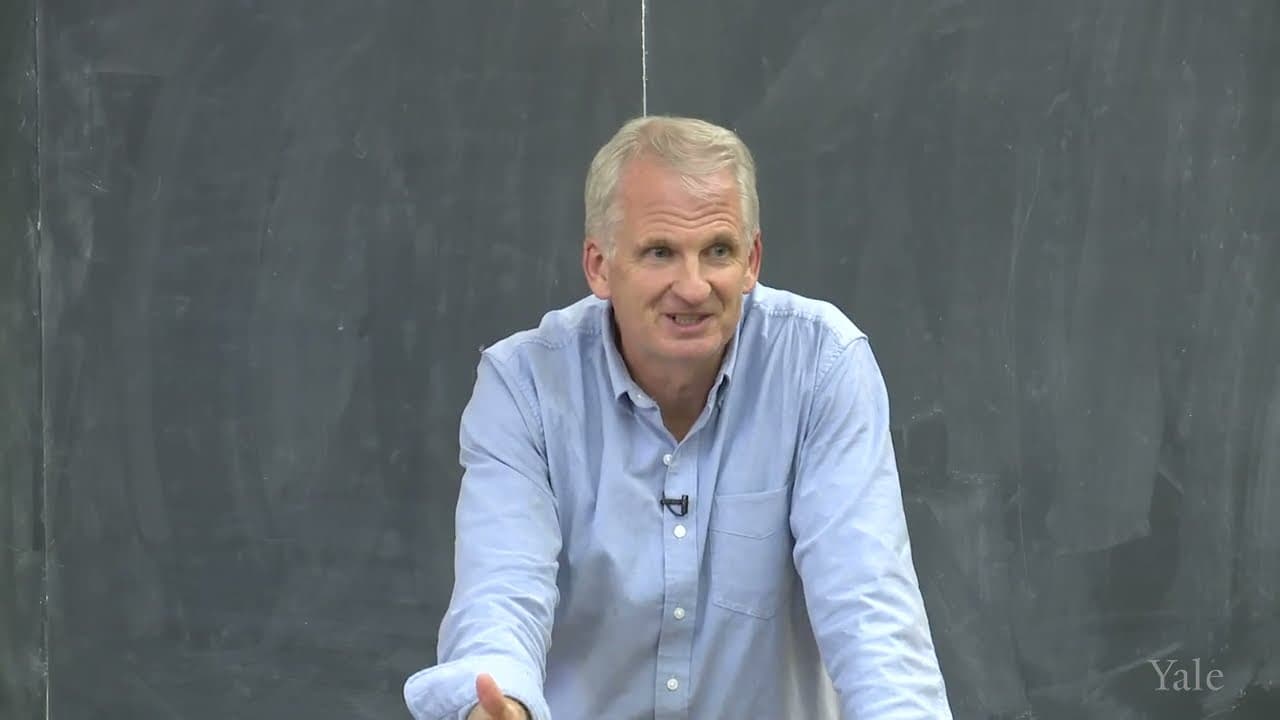
Poland's complex relationship with Ukraine during the interwar period, including its attempts to tolerate Ukrainian national identity and support Ukrainian independence, as well as its role in the Soviet Union's collectivization famine.
Transcript
(static crackling) (thoughtful music) - Okay, greetings. Happy Thursday. I would take us outside except for the whole recording business, which we can't take outside, which makes me a little sad because it's a beautiful day. This has been one of those New England falls that they promise you with the nice days and, like, the leaves falling from the ... Read More
Key Insights
- 🔄 Poland's attempts to tolerate Ukrainian identity and promote Ukrainian independence were influenced by strategic interests and the desire to counter Soviet influence.
- 🍃 The Polish-Soviet nonaggression treaty of 1932 left Ukraine isolated and without external support during the devastating collectivization famine.
- 🇵🇱 Land and national identity were the primary challenges facing Poland in addressing the Ukrainian question, with the need for land reform and greater political inclusion for Ukrainian peasants.
Install to Summarize YouTube Videos and Get Transcripts
Explore YouTube Video Summarizer or Get YouTube Transcript Extractor
Questions & Answers
Q: Why was Poland sending people illegally into the Soviet Union in 1933?
Poland's actions were influenced by its strategic interests and its attempts to counter Soviet influence and propaganda in Ukraine. By supporting Ukrainian agents and promoting Ukrainian national identity, Poland aimed to destabilize the Soviet Union and strengthen its own position.
Q: What was the relationship between Poland and the Soviet Union during this time?
The relationship between Poland and the Soviet Union was complex. While both countries signed a nonaggression treaty in 1932, Poland sought to counter Soviet influence by supporting national liberation movements and promoting Ukrainian independence. However, Poland's actions were not motivated solely by altruism, as it also aimed to protect its strategic interests.
Q: What impact did collectivization have on Ukraine?
Collectivization in the Soviet Union, particularly in Ukraine, had a devastating impact. Millions of Ukrainians starved to death during the collectivization famine of 1933. Despite pleas from Ukrainian peasants for intervention or assistance from Poland and other countries, Ukraine was left isolated and without external support.
Q: What were the main challenges faced by Poland in addressing the Ukrainian question?
Poland struggled to effectively engage the Ukrainian population and address their grievances. The lack of a class party for Ukrainian peasants meant they were often excluded from politics. Additionally, the national question, including issues of language and culture, further complicated efforts to build a cohesive and inclusive society.
Summary & Key Takeaways
-
The interwar period saw Poland grappling with the Ukrainian question, with a significant Ukrainian minority in the country and a new east-west division of Ukraine between Poland and the Soviet Union.
-
Poland's historical legacy, particularly the Polish-Lithuanian Commonwealth, influenced Ukrainian politics and the desire for national self-determination.
-
Amidst power struggles and attempts at democracy, Poland aimed to address the land and national questions, but faced challenges in effectively engaging the Ukrainian population.
Read in Other Languages (beta)
Share This Summary 📚
Summarize YouTube Videos and Get Video Transcripts with 1-Click
Try YouTube Summary with ChatGPT & Claude or YouTube Transcript Generator
Explore More Summaries from YaleCourses 📚



Summarize YouTube Videos and Get Video Transcripts with 1-Click
Try YouTube Summary with ChatGPT & Claude or YouTube Transcript Generator