What Is the NYC City-Run Grocery ID Policy?
TL;DR
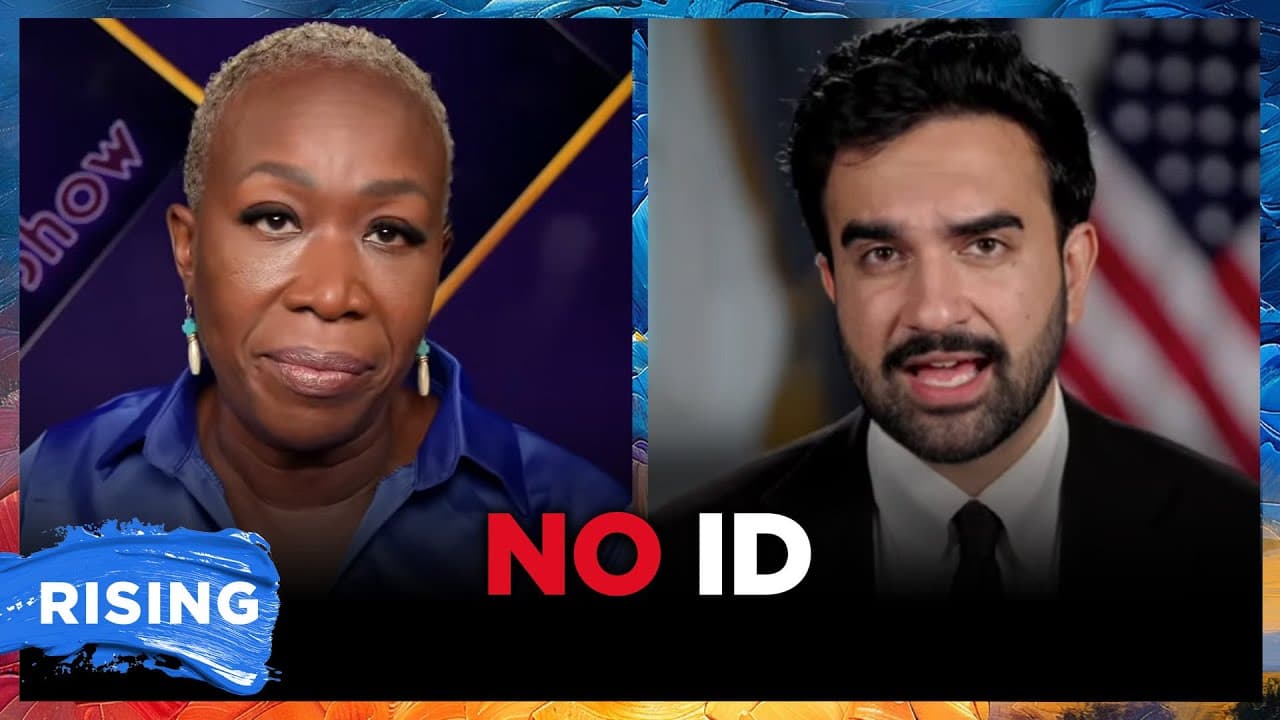
ID is not required to shop at the city-run NYC grocery stores. The topic centers on discounts aimed at reducing groceries costs and addressing food deserts, with a loyalty card concept described by officials, while critics question the funding and verification aspects of the program.
Transcript
And we're talking about a city-run grocery store, one in each burrow, which by the way, you do not need an ID to shop at, no matter what you've just heard in the news of today. We're talking about actually addressing the question of skyrocketing grocery prices. >> New York City Mayor Zuran Mandani confirming in that clip with Joy Reid that you will... Read More
Key Insights
- The program proposes 30% discounts to address food deserts and affordability.
- Officials describe a loyalty card system as not being an identification measure, separating it from voter ID concerns.
- The debate includes whether subsidies should be funded by NYC taxpayers and how that affects people outside the city.
- Critics warn that subsidized discounts could burden non-city residents and increase costs elsewhere.
- Supporters argue government intervention can reduce grocery prices where markets fail.
- The conversation references past attempts in Chicago and Kansas City as failed examples.
- There is a tension between supporting low-income residents and maintaining free market dynamics.
- The overarching goal is to improve access to affordable groceries for residents of the city.
Install to Summarize YouTube Videos and Get Transcripts
Explore YouTube Video Summarizer or Get YouTube Transcript Extractor
Questions & Answers
Q: What is the claimed ID requirement for city-run groceries in NYC?
The program claims that residents do not need to show ID to shop at city-run grocery stores and that the discounts are not tied to proving residency or income in a way that would function as an identification system. The discussion emphasizes accessibility and ease of use for New Yorkers seeking lower grocery costs.
Q: Why is there a debate about a loyalty card versus an ID requirement?
The debate centers on whether a loyalty card could track purchases to distribute discounts while avoiding a formal ID system. Critics worry about privacy and potential misuse, while proponents argue a loyalty card could streamline discounts and ensure eligible residents access the benefits without creating a barrier.
Q: What is the purpose of the discounted groceries according to the discussion?
The discounts aim to address affordability and combat food deserts by making groceries more affordable in poorer areas. The program is framed as a policy tool to improve access to fresh produce and essential foods for residents who might otherwise struggle to afford groceries.
Q: Who would bear the cost of the discounts, and how might it impact taxpayers?
The discussion suggests that subsidies for the discounts would come from taxpayers, including those outside the five boroughs, raising questions about cross-regional funding and the fairness of financing benefits for city residents from a broader tax base.
Q: What evidence is cited as a cautionary tale about city-run grocery programs?
The conversation references failed attempts in other cities such as Chicago and Kansas City, implying that government-run grocery initiatives can struggle or fail, with concerns about long-term sustainability and whether such models can be scaled effectively without unintended consequences.
Q: What is the argument for government intervention in groceries, according to one side?
Supporters argue that government intervention can fill market gaps where private supermarkets avoid low-income areas, addressing food deserts and ensuring access to affordable groceries, even if that requires subsidies or policy experimentation to achieve broader social welfare goals.
Q: How does the speaker describe the balance between entrepreneurship and social welfare?
The speaker argues that free markets alone cannot solve all social problems and that government action may be necessary to promote access to groceries in underserved areas. This includes considering subsidies and regulatory frameworks to ensure benefits reach intended residents while supporting overall public welfare.
Q: What broader themes does the discussion touch on regarding grocery policy?
The conversation touches on the trade-offs between affordability, access, taxpayer burden, and the role of government versus private enterprise. It highlights how policy choices can affect different communities and invites scrutiny of how public funds are allocated to support essential services.
Summary & Key Takeaways
-
The video discusses a city-run grocery program in New York City and the claim that no ID is required to shop there. It explains the debate over whether a loyalty card or ID system would be used. Critics argue about cost, accountability, and who ultimately pays for the discounts.
-
The dialogue covers concerns about subsidization, potential cross-state funding implications, and the broader goal of improving access to affordable fresh food. It frames the program as a policy experiment with supporters and opponents.
-
The discussion highlights the tension between social welfare goals and market-based approaches, noting the importance of verifying residency and ensuring the discounts benefit intended residents while avoiding misuse or excessive taxpayer burden.
Read in Other Languages (beta)
Share This Summary 📚
Summarize YouTube Videos and Get Video Transcripts with 1-Click
Try YouTube Summary with ChatGPT & Claude or YouTube Transcript Generator
Explore More Summaries from The Hill 📚




Summarize YouTube Videos and Get Video Transcripts with 1-Click
Try YouTube Summary with ChatGPT & Claude or YouTube Transcript Generator