How Greek Theater Shaped Athenian Democracy
TL;DR
Greek theater was a crucial institution in ancient Athens, fostering a collective identity and promoting democratic values. Playwrights Aeschylus, Sophocles, and Euripides used their works to explore themes of justice, power, and human nature, encouraging citizens to reflect on their roles in society. Their plays highlighted the importance of democracy, the dangers of hubris, and the need for self-reflection and improvement.
Transcript
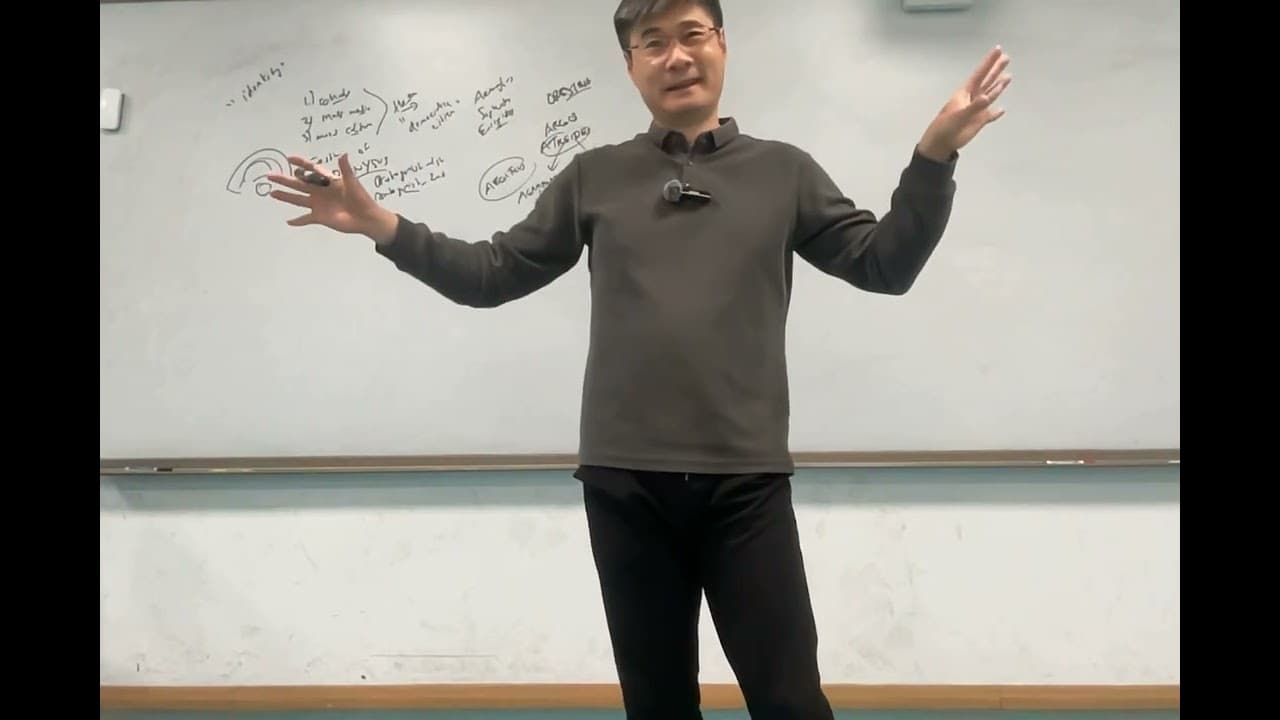
okay so we we will do Greek Theater today now as a society every society has a problem the problem is how do we organize the thinking of the people within our society okay how do you create an identity and in modern society there are three institutions that create a collective identity for society okay so the first would be what exactly thank you s... Read More
Key Insights
- Greek theater played a vital role in shaping Athenian identity and democracy.
- Aeschylus' Oresteia portrayed democracy as a divine gift and emphasized its importance.
- Sophocles' Oedipus Rex trilogy warned against the dangers of monarchy and hubris.
- Euripides' Bacchae critiqued Athenian democracy and empire, highlighting moral failings.
- Theater festivals were major communal events, uniting citizens and reinforcing democratic ideals.
- Plays often used Greek mythology to explore contemporary themes and societal issues.
- The structure of Athenian theater allowed for public participation and democratic decision-making.
- The playwrights' works remain relevant today, continuing to inspire and provoke thought.
Install to Summarize YouTube Videos and Get Transcripts
Explore YouTube Video Summarizer or Get YouTube Transcript Extractor
Questions & Answers
Q: How did Greek theater influence Athenian democracy?
Greek theater was a key institution in Athens, helping to shape and promote democratic values. Through plays, citizens were encouraged to reflect on justice, power, and their roles in society. The communal nature of theater festivals reinforced a collective identity and provided a platform for public participation and democratic decision-making.
Q: What themes did Aeschylus explore in his plays?
Aeschylus' plays, particularly the Oresteia, explored themes of justice, democracy, and divine influence. He depicted democracy as a gift from the goddess Athena, emphasizing the importance of practicing it well to achieve a just and righteous society. His works encouraged Athenians to honor democracy and take their civic responsibilities seriously.
Q: What message did Sophocles convey in the Oedipus Rex trilogy?
Sophocles' Oedipus Rex trilogy conveyed the dangers of monarchy and the consequences of hubris. Through the tragic story of Oedipus and his successor Creon, Sophocles warned against defying fate and the divine laws of the universe. His plays highlighted the need for humility and the dangers of excessive pride in leadership.
Q: How did Euripides critique Athenian democracy in his plays?
Euripides critiqued Athenian democracy and empire through plays like the Bacchae. He highlighted the moral failings and injustices committed by Athens, urging citizens to confront these hard truths. His works challenged the audience to engage in self-reflection and strive for a more just and ethical society, maintaining the strength and vibrancy of democracy.
Q: What role did theater festivals play in Athenian society?
Theater festivals were major communal events in Athens, bringing together citizens to watch and participate in plays. These festivals reinforced democratic ideals by fostering a collective identity and encouraging public participation. The communal nature of these events helped to unite Athenians and promote a shared understanding of democratic values and responsibilities.
Q: How did Greek playwrights use mythology in their works?
Greek playwrights like Aeschylus, Sophocles, and Euripides used mythology as a framework to explore contemporary themes and societal issues. By drawing on familiar mythological stories, they were able to engage audiences in discussions about justice, power, and human nature. This approach allowed them to address complex topics in a relatable and thought-provoking manner.
Q: What is the significance of the Oresteia in Athenian democracy?
The Oresteia, a trilogy by Aeschylus, is significant in Athenian democracy as it portrays democracy as a divine gift from Athena. The plays emphasize the importance of practicing democracy well to achieve justice and righteousness. By highlighting the gods' role in granting democracy, Aeschylus reinforced the idea that Athenians had a sacred duty to uphold and honor their democratic system.
Q: Why are the works of Aeschylus, Sophocles, and Euripides still relevant today?
The works of Aeschylus, Sophocles, and Euripides remain relevant today due to their exploration of timeless themes such as justice, power, and human nature. Their plays provoke thought and encourage self-reflection, challenging audiences to consider their own roles in society. The enduring relevance of these works lies in their ability to inspire and engage modern audiences in discussions about democracy and ethical behavior.
Summary & Key Takeaways
-
Greek theater was instrumental in promoting democratic values in ancient Athens. Through engaging narratives and mythological themes, playwrights like Aeschylus, Sophocles, and Euripides explored justice, power, and human nature, urging citizens to reflect on their roles in society.
-
Aeschylus' Oresteia depicted democracy as a divine gift, highlighting its significance in achieving justice and righteousness. Sophocles' Oedipus Rex trilogy warned against the dangers of monarchy and the consequences of hubris.
-
Euripides' Bacchae offered a critique of Athenian democracy and empire, urging citizens to confront their moral failings. These plays, performed during major theater festivals, fostered a collective identity and reinforced democratic ideals.
Read in Other Languages (beta)
Share This Summary 📚
Summarize YouTube Videos and Get Video Transcripts with 1-Click
Try YouTube Summary with ChatGPT & Claude or YouTube Transcript Generator
Explore More Summaries from Predictive History 📚






Summarize YouTube Videos and Get Video Transcripts with 1-Click
Try YouTube Summary with ChatGPT & Claude or YouTube Transcript Generator