How to Practice English While Enjoying Nature
TL;DR
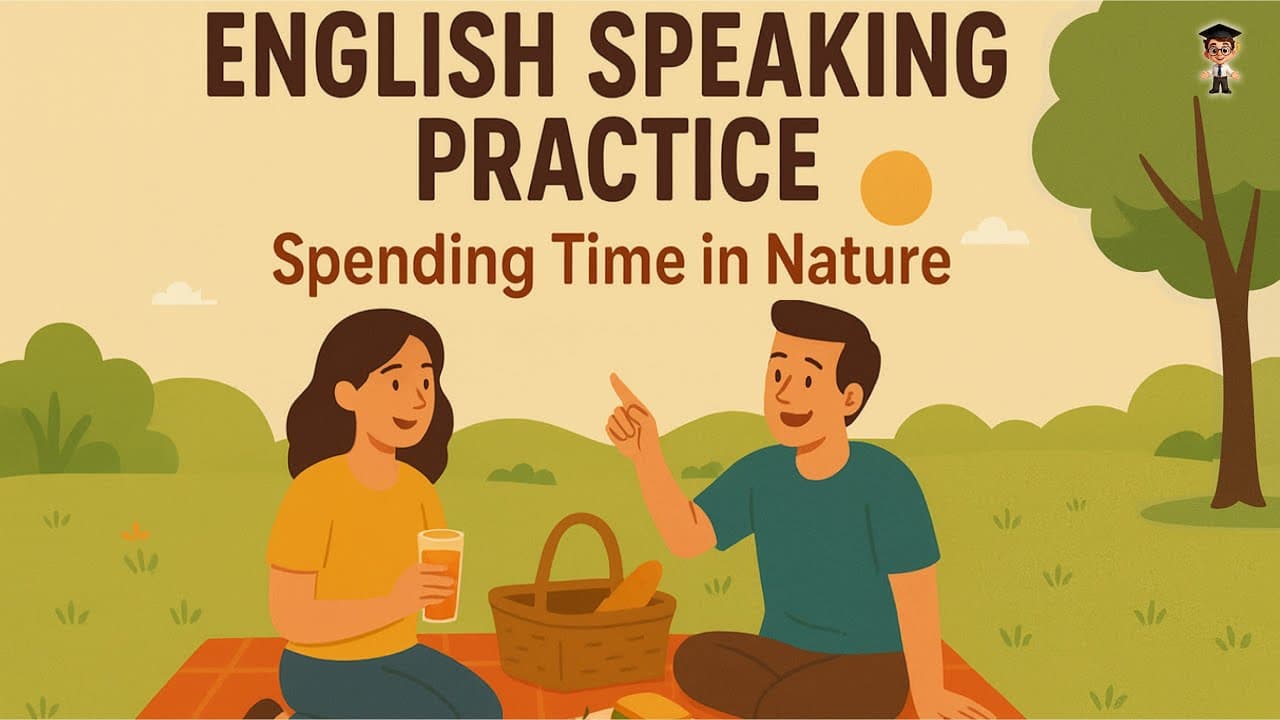
Practice spoken English outdoors by naming visible objects, describing nearby actions, and writing observations in a notebook. A 20-minute, phone-free walk can combine vocabulary practice with mindfulness, while activities such as hiking, biking, camping, and picnicking provide useful topics for everyday conversations about nature, feelings, and relaxation.
Transcript
[music] [music] Hello everyone and welcome back to Mr. English channel where learning English is easy and fun. [music] I'm Emily. >> Hello Emily. And hello to all our wonderful listeners. It is such a beautiful day to be here with you. >> It really is, Paul. You look very happy today. You have a big smile on your face. >> I am happy. I am feeling v... Read More
Key Insights
- Nature can support mental health by helping people feel calm and less stressed. Paul says his brain felt full because of work, emails, and busy city life, but his feelings changed after ten minutes of walking among trees in a park.
- Mindfulness is the practice of being present instead of thinking about tomorrow or work. Looking closely at a flower, listening to wind in the trees, and avoiding phone distractions are presented as simple ways to focus attention on the current moment.
- A digital detox is a break from technology. The lesson recommends putting a phone in a pocket or bag while visiting a forest, beach, park, garden, or quiet street so attention can return to the sky, trees, grass, water, and other surroundings.
- Hiking is a long walk that usually takes place in mountains or forests. It can involve high hills, so good shoes are important, while water, a backpack, and a map can help hikers prepare and avoid getting lost.
- Outdoor activities provide practical English vocabulary and conversation topics. The dialogue covers hiking, picnics, camping, and biking, along with related words such as view, blanket, basket, tent, campfire, bicycle path, helmet, backpack, boots, and map.
- English practice works outdoors by connecting words to visible objects and actions. Learners can name a tree, flower, duck, cloud, bird, rock, or dog, then create fuller descriptions about colors, textures, movement, people, and the weather.
- A notebook can turn observation into writing practice. A learner can sit on a bench and record sentences about nearby scenes, such as a brown dog running or two children playing, while having enough calm and time to think without using a screen.
- The weekly challenge is to spend 20 minutes outside without looking at a phone. Learners should observe nature, listen to birds, and name five things they see, using even a garden, quiet street, small park, or single tree if larger green spaces are unavailable.
Install to Summarize YouTube Videos and Get Transcripts
Explore YouTube Video Summarizer or Get YouTube Transcript Extractor
Questions & Answers
Q: How can I practice speaking English in nature?
Practice by looking around and saying the English names of visible objects aloud, such as tree, flower, duck, cloud, bird, rock, or grass. Then expand those words into descriptive sentences about colors, textures, weather, and actions. You can also describe people or animals nearby and write your observations in a notebook while sitting on a bench.
Q: What is the 20-minute outdoor English challenge?
Go outside for 20 minutes to a park, garden, quiet street, or another place where you can notice nature. Leave your phone at home or keep it in your pocket without checking it. Look carefully at your surroundings, listen to the birds, and practice English by naming five things you can see, such as a tree, cloud, bird, rock, and flower.
Q: What does mindfulness mean in this English lesson?
Mindfulness means being in the moment rather than thinking about tomorrow, work, or other distractions. The dialogue illustrates it by focusing completely on a flower, listening to wind in the trees, and noticing the surrounding world. Putting away a phone helps make this attention possible because the learner can concentrate on what is happening right now.
Q: What is a digital detox and how can I try it outdoors?
A digital detox means taking a break from technology. When visiting a forest, beach, park, garden, or quiet street, put your phone in your pocket or leave it in your bag. Instead of looking at messages or Instagram, pay attention to the sky, grass, trees, water, birds, and other parts of the real world around you.
Q: What English vocabulary is useful for hiking?
Hiking is described as a long walk, usually in mountains or forests. Useful related words include hill, mountain, forest, view, boots, backpack, water, and map. The conversation notes that high hills can make hiking difficult, good shoes help prevent sore feet, and a map can help hikers avoid getting lost in the forest.
Q: How can a picnic help with everyday English practice?
A picnic creates opportunities to discuss familiar objects, food, and relaxing activities. Useful words include blanket, grass, basket, sandwiches, cheese, tomato, fruit, apples, grapes, strawberries, lemonade, and iced tea. Learners can also talk about sitting in the sun, reading under a tree, sharing food, and dealing with ants or other insects.
Q: What camping vocabulary appears in the conversation?
Camping means sleeping outside, usually in a tent, which the lesson describes as a small house made of fabric. Related vocabulary includes forest, dark, owl, rabbit, bear, fire, campfire, stars, noises, warm, and city lights. The speakers also discuss sitting around a fire and looking at stars that are difficult to see in the city.
Q: How can nature make English conversations with friends easier?
Walking in nature can provide a quiet setting where friends can hear each other more easily than in a loud coffee shop. People can walk side by side instead of maintaining constant eye contact, which the dialogue describes as less pressure for some people. Hiking and picnics also supply shared activities and natural topics for extended conversation.
Summary & Key Takeaways
-
Emily and Paul discuss how spending time in nature can support relaxation and mental health. Paul describes feeling stressed before walking in a park and calm afterward. They define mindfulness as being present and digital detox as taking a break from technology by putting away phones and paying attention to the surroundings.
-
The conversation introduces vocabulary for outdoor activities, including hiking, picnicking, camping, and biking. Hiking may require good shoes, water, a backpack, and a map. Picnics involve blankets, baskets, food, and drinks, while camping includes tents, campfires, nighttime sounds, and watching stars away from bright city lights.
-
Learners can practice English outdoors by naming objects, describing colors and actions, speaking sentences aloud, and recording observations in a notebook. The suggested challenge is to spend 20 minutes outside without checking a phone and name five visible things. Even a small park, garden, street tree, or changing leaves can provide practice.
Read in Other Languages (beta)
Share This Summary 📚
Summarize YouTube Videos and Get Video Transcripts with 1-Click
Try YouTube Summary with ChatGPT & Claude or YouTube Transcript Generator
Explore More Summaries from Mr. English Channel 📚






Summarize YouTube Videos and Get Video Transcripts with 1-Click
Try YouTube Summary with ChatGPT & Claude or YouTube Transcript Generator