How Do Mountain Men Handle Wilderness Threats?
TL;DR
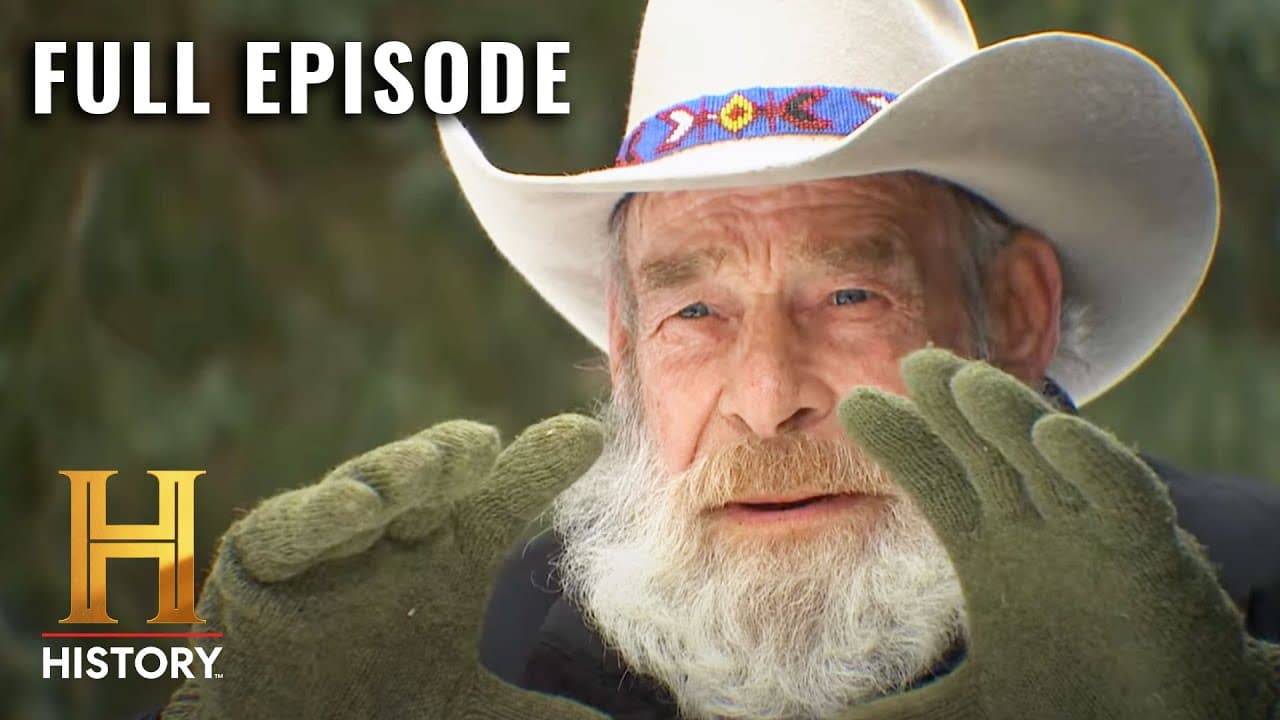
Reading terrain, reducing risk, and combining skilled labor are central to handling wilderness threats. Kidd scouts dangerous rapids before running them alone, Eustace recruits extra workers to mill cabin logs, and Tom and Sean follow fresh coyote tracks before placing snares on narrow trails. Each effort depends on local knowledge, careful preparation, and adapting when injuries, predators, or equipment problems disrupt the original plan.
Transcript
[ Wind howling, animals calling ] ♪♪ -Coming up on "Mountain Men"... -Every time I run a rapid in a drift boat, you always get a bit of an adrenaline rush. You're gonna be going so fast that it all happens in the blink of an eye. ♪♪ -It's so nice to be coming up on this building instead of just a drain here. We're gonna get this thing built. -Whoa,... Read More
Key Insights
- The Boise River route is a shortcut into remote grasslands that Harry and Kidd Youren are considering for as many as 1,000 cattle. The area's cliffs, lack of roads, and absence of usable horse trails explain why much of the country remains untouched.
- Whitewater scouting is Kidd's main defense against unexpected hazards. Before entering the first major rapid, he studies the blind corner, locates submerged rocks, and identifies a particularly dangerous obstacle that could sink the drift boat or wash its operator out.
- Reducing boat weight is a deliberate safety measure in fast water. Kidd decides that Harry and the dogs should walk around the rapid because a heavily loaded drift boat would be harder to slow, leaving Kidd to navigate the hazardous section alone.
- The lookout cabin is intended to deter trespassers on the far edge of Eustace Conway's property. Raleigh's broken hand prevents him from lifting heavy logs, so Eustace recruits Preston's sons to supply the manpower needed to keep construction moving.
- Accurate milling is essential because Eustace wants two cabin logs from each large saw log. The workers remove waste from the edges, cut through the middle with the grain, and carefully align wedges with the saw cut to avoid damaging either finished piece.
- Fresh tracks are the foundation of Tom and Sean's trapping strategy. They read stride patterns and trail traffic to determine where coyotes are actively traveling, then plan a broad circle around Sean's property to locate the main routes entering the area.
- The elk remains indicate concentrated coyote activity on Sean's land. Tom and Sean find an elk pelvis, ribs, consumed stomach lining, emptied marrow, dung, and coyote tracks without wolf tracks, leading them to treat the site as a heavily used feeding location.
- A coyote snare is a cable loop positioned across a frequently used trail. Tom selects a narrow route and explains that the loop must hang so a traveling coyote places its head through it, making correct placement central to the trapping method.
Install to Summarize YouTube Videos and Get Transcripts
Explore YouTube Video Summarizer or Get YouTube Transcript Extractor
Questions & Answers
Q: How did Kidd prepare to run the Boise River rapids?
Kidd stopped above the first major rapid and inspected it from land before committing the drift boat. He examined the blind corner, watched the speed and direction of the water, and identified submerged rocks that could sink the boat or wash him out. He also reduced the boat's weight by having Harry and the dogs walk around the rapid, then planned to collect them downstream.
Q: Why did Harry and Kidd travel by boat instead of horseback?
Harry and Kidd wanted to explore remote grasslands that might support cattle during the summer, but the surrounding Sawtooth terrain had no convenient trails or roads for horses. They chose the Boise River as a shortcut through the rugged country. Even the river route was difficult, with cliffs, increasing water volume, blind corners, hidden rocks, and rapids that required experienced navigation.
Q: What were Harry and Kidd searching for along the Boise River?
The brothers were scouting fertile fields that could feed as many as 1,000 cattle. They work as hired hands for several ranches, and cattle season provides half their yearly wage. Larger grasslands would allow them to keep the animals fed while moving them less often. The most promising areas were remote because the jagged terrain made access difficult by road or horseback.
Q: How did Eustace continue building after Raleigh broke his hand?
Eustace called Preston's sons, Joe and James Roberts, to provide extra labor while Raleigh recovered. Raleigh could perform some work but could not apply much pressure or lift the project's heavy logs. The additional workers helped roll and process the massive timber, allowing the team to mill enough cabin logs for the walls and continue progress on the lookout cabin.
Q: How were the lookout cabin logs cut to the correct size?
Each required board was planned at 16 feet long and 5 inches thick. Eustace removed waste from the edges and aimed to produce two cabin logs from every large saw log by cutting precisely through the middle and following the grain. Because the saw blade could not pass completely through the massive timber, the team aligned wedges with the saw cut and split the remaining wood.
Q: Why were Tom and Sean concerned about coyotes on the property?
Sean had found extensive coyote sign on land where he and Tom had successfully trapped beaver, martens, and ermine. Coyotes depend on some of the same small animals, so the men feared that a large pack could scare away the fur-bearing animals supporting their income. Their concern increased after they found consumed elk remains, coyote dung, and tracks on nearly every trail.
Q: How did Tom and Sean choose a location for a coyote snare?
Tom and Sean first searched for fresh tracks and studied how the coyotes moved across the property. They identified long strides, loping movement, and repeated traffic on multiple trails. After deciding to circle the land and locate incoming routes, they selected a narrow, well-used trail. Tom considered that confined path suitable for hanging a cable loop where a traveling coyote would encounter it.
Q: What evidence connected coyotes to the elk carcass?
Tom and Sean found an elk pelvis and ribs, along with signs that the stomach lining and marrow had been consumed. They also observed coyote dung and numerous coyote tracks around the remains. Tom specifically noted that there were no wolf tracks at the site. The combination led them to identify the carcass as a feeding location repeatedly used by coyotes.
Summary & Key Takeaways
-
Harry and Kidd Youren travel Idaho's Boise River to find remote grasslands for cattle. Because horses cannot easily cross the rugged country, they use a drift boat. As the water grows faster and narrower, Kidd scouts a major rapid, identifies hidden rocks, reduces the boat's weight, and runs it alone.
-
Eustace Conway resumes work on a lookout cabin intended to discourage trespassers, but Raleigh Avery's broken hand limits the available labor. Preston's sons join the project, helping mill massive logs into 16-foot boards that are 5 inches thick. Carefully positioned wedges finish splits that the saw blade cannot complete alone.
-
Tom Oar and Sean McAfee investigate abundant coyote tracks on Sean's property, where trapping has produced beaver, martens, and ermine. They find an eaten elk carcass surrounded by coyote evidence, then circle the property to identify active trails. On a narrow route, they prepare a cable snare for passing coyotes.
Read in Other Languages (beta)
Share This Summary 📚
Summarize YouTube Videos and Get Video Transcripts with 1-Click
Try YouTube Summary with ChatGPT & Claude or YouTube Transcript Generator
Explore More Summaries from HISTORY 📚




Summarize YouTube Videos and Get Video Transcripts with 1-Click
Try YouTube Summary with ChatGPT & Claude or YouTube Transcript Generator