How Does Trump's Border Wall Affect Wildlife and Biodiversity?
TL;DR
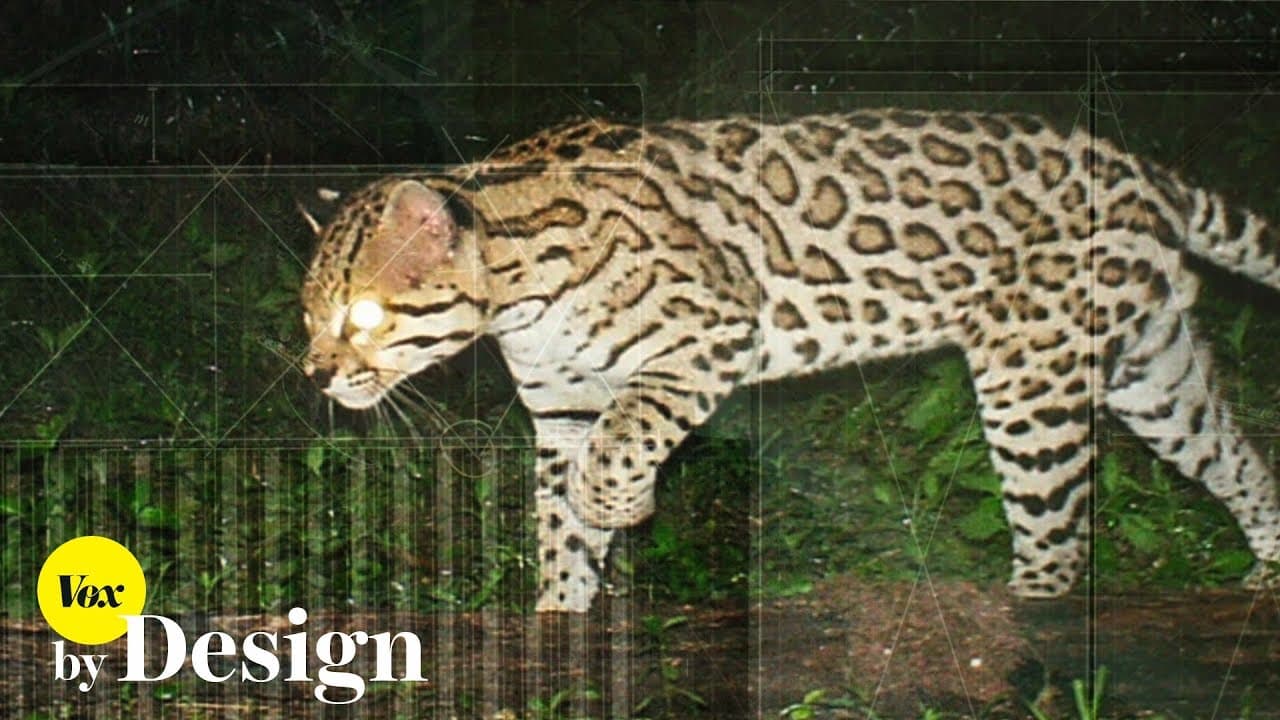
Trump's border wall threatens wildlife and biodiversity by disrupting animal migration and reducing genetic diversity, which increases extinction risks for species like the ocelot. Construction creates barriers that hinder movement and lead to habitat fragmentation, particularly in sensitive areas like the Rio Grande Valley, where environmental laws can be waived, allowing unchecked development.
Transcript
These are eight prototypes for the proposed border wall between the US and Mexico. Customs and Border Patrol commissioned these designs and they’re on display just outside of San Diego. Some have rounded tops so that ropes can’t be hooked on. Others have gaps so guards can see the other side. Some are concrete, others incorporate steel and other ma... Read More
Key Insights
- The proposed US-Mexico border wall includes eight prototypes designed to prevent crossings, affecting both people and wildlife.
- The border region is home to diverse species, including endangered ones that rely on cross-border movement for survival.
- Existing and proposed wall sections threaten biodiversity by creating barriers that disrupt animal migration and gene flow.
- In the Rio Grande Valley, wall construction would create inaccessible areas, hindering animal movement and increasing flood risks.
- Barriers reduce genetic diversity, increasing inbreeding and extinction risks, as seen in endangered species like the ocelot.
- Design features like gaps in the wall do not accommodate animal behavior, as surrounding areas are often cleared and lit.
- Border wall projects can bypass environmental laws, allowing construction without restrictions, threatening sensitive habitats.
- The long-term impact of border walls on biodiversity remains uncertain, with many areas still at risk of future construction.
Install to Summarize YouTube Videos and Get Transcripts
Explore YouTube Video Summarizer or Get YouTube Transcript Extractor
Questions & Answers
Q: How do the border wall prototypes differ in design?
The border wall prototypes differ in design by incorporating various materials and features to prevent crossings. Some have rounded tops to deter ropes, while others have gaps for visibility. Materials range from concrete to steel, each serving the primary purpose of keeping people out. These designs, while aimed at human deterrence, also impact wildlife movement.
Q: Why is the US-Mexico border region important for biodiversity?
The US-Mexico border region is important for biodiversity due to its rich variety of species, including endangered ones. This area hosts a high concentration of amphibians, reptiles, and mammals that rely on cross-border movement for survival and genetic diversity. The construction of barriers threatens this ecological richness by disrupting animal migration and habitat connectivity.
Q: What are the potential consequences of the border wall on animal migration?
The potential consequences of the border wall on animal migration include disrupted movement, reduced genetic diversity, and increased extinction risks. Barriers prevent animals from accessing necessary habitats, leading to isolated populations and inbreeding. This fragmentation can be detrimental to species like the endangered ocelot, whose survival depends on cross-border connectivity.
Q: How does wall construction in the Rio Grande Valley affect the environment?
Wall construction in the Rio Grande Valley affects the environment by creating inaccessible areas that hinder animal movement and pose flood risks. The wall cannot be built directly on the river boundary, leading to construction on US territory that cuts through protected lands. This results in habitat fragmentation and increased vulnerability for species dependent on these areas.
Q: Why are environmental laws waived for border wall projects?
Environmental laws are waived for border wall projects under the 2005 REAL ID Act, allowing the Department of Homeland Security to bypass regulations like the Endangered Species Act and Clean Water Act. This waiver enables construction without restrictions, threatening sensitive habitats and biodiversity by prioritizing political objectives over environmental protection.
Q: What impact does human presence have on animal populations near the border?
Human presence near the border has been shown to decrease animal populations, as observed in studies where fence installations led to reduced wildlife activity. The disruption caused by human activity and infrastructure, such as cleared vegetation and bright lighting, makes the environment less hospitable for animals, further exacerbating the impact of physical barriers.
Q: How do design features like gaps in the wall affect animal behavior?
Design features like gaps in the wall are intended to allow animal passage, but they often fail to consider animal behavior. The surrounding areas are typically cleared of vegetation and lit with bright lights, creating an unwelcoming environment for animals accustomed to traveling at night. This oversight limits the effectiveness of gaps in facilitating wildlife movement.
Q: What is the long-term outlook for biodiversity in border regions?
The long-term outlook for biodiversity in border regions is uncertain, with ongoing risks from existing and proposed wall construction. The barriers threaten to fragment habitats and disrupt ecosystems, potentially leading to reduced genetic diversity and increased extinction risks. Continued research and monitoring are needed to fully understand and mitigate the impact on wildlife and biodiversity.
Summary & Key Takeaways
-
The proposed border wall between the US and Mexico poses significant threats to biodiversity, impacting endangered species that rely on cross-border movement. The wall's construction can disrupt animal migration, reduce genetic diversity, and increase extinction risks. Current and proposed sections of the wall create barriers that hinder animal movement and lead to habitat fragmentation.
-
In the Rio Grande Valley, wall construction would create inaccessible areas, posing flood risks and cutting through protected lands. The Department of Homeland Security can waive environmental laws for border wall projects, allowing construction without restrictions and threatening sensitive habitats. Despite design features like gaps, the wall fails to accommodate animal behavior.
-
The long-term impact of border walls on biodiversity is uncertain, with many areas still at risk of future construction. The presence of humans and animals has been shown to decrease near fence installations, highlighting the wall's potential to disrupt ecosystems. Ongoing research is needed to fully understand the consequences of barriers on wildlife and biodiversity.
Read in Other Languages (beta)
Share This Summary 📚
Summarize YouTube Videos and Get Video Transcripts with 1-Click
Try YouTube Summary with ChatGPT & Claude or YouTube Transcript Generator
Explore More Summaries from Vox 📚


Summarize YouTube Videos and Get Video Transcripts with 1-Click
Try YouTube Summary with ChatGPT & Claude or YouTube Transcript Generator