What Causes Procrastination and How to Overcome It?
TL;DR
Procrastination stems from fear, not laziness; recognising this is crucial for action. This video presents six effective strategies to manage fear and increase productivity, including emotion labeling and the 10-10-10 rule.
Transcript
if you struggle with procrastination if you struggle to do hard things if you struggle with discipline sometimes then hopefully this video is for you because in this world of self-help personal development there's one thing that very few people are talking about and that is the overwhelming impact of negative emotions that prevent us from doing thi... Read More
Key Insights
- 😨 Procrastination is often driven by fear, primarily of failure or judgment, rather than laziness.
- 😨 Emotion labeling can help individuals articulate their fears, facilitating a process to overcome them.
- 🤳 Identity labels can create self-fulfilling prophecies, emphasizing the importance of adopting positive self-identifications.
- ⌛ The 10-10-10 rule shifts perspective on potential failures, making them seem less significant over time.
- 🤳 Self-doubt is a major barrier to action; recognizing that everyone starts somewhere can promote growth.
- 😨 The "no one cares" mindset helps allay anxiety about social judgment, encouraging individuals to act despite perceived scrutiny.
- 🤪 Adopting an alter ego can boost confidence and self-control, making it easier to confront fears directly.
Install to Summarize YouTube Videos and Get Transcripts
Explore YouTube Video Summarizer or Get YouTube Transcript Extractor
Questions & Answers
Q: What is the primary emotion causing procrastination?
The primary emotion causing procrastination is fear. Ali explains that fear manifests as anxiety about failure or judgment, leading people to avoid taking action. Recognizing fear as the root cause can help individuals confront and manage it, thereby reducing procrastination.
Q: How can labeling emotions help reduce fear?
Labeling emotions allows individuals to gain clarity on what they are truly feeling. By vocalizing fears, such as “I am afraid of failing,” it becomes easier to process those emotions rather than letting them control behavior. This self-awareness diminishes the grip of fear, making it more manageable in the context of procrastination.
Q: What is the 10-10-10 rule and how does it help with procrastination?
The 10-10-10 rule encourages individuals to assess whether a situation will matter in 10 minutes, 10 weeks, or 10 years. This perspective reduces the significance one places on temporary setbacks, helping shift focus away from catastrophizing and easing anxiety about potential outcomes.
Q: How does identity labeling influence procrastination?
Identifying oneself with positive labels, such as "lifelong learner," rather than negative ones, can significantly impact behavior. Positive labels can shift an individual’s perspective, motivating them to overcome fear and self-doubt by reinforcing a proactive self-image that inspires action.
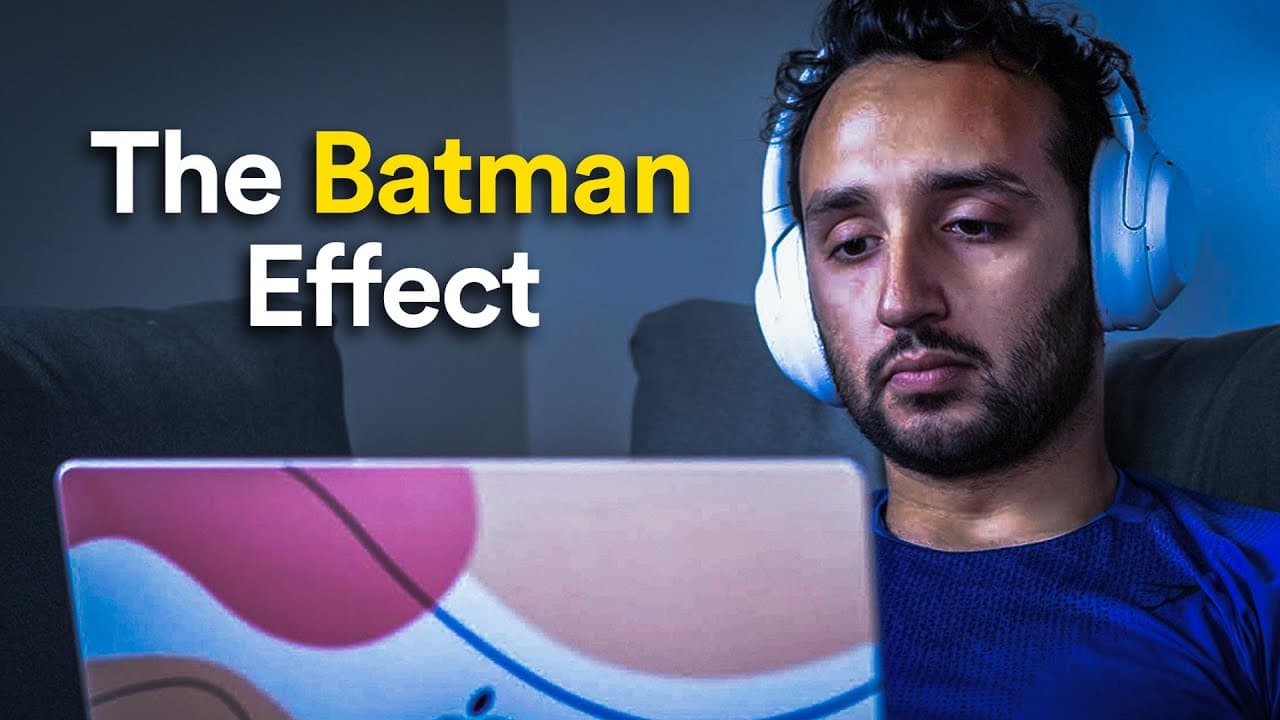
Q: What is the Batman effect in overcoming procrastination?
The Batman effect refers to the beneficial impact of adopting a heroic alter ego to improve focus and self-control. By embodying the traits of a character they admire, individuals can tap into confidence and courage, helping them face tasks they might otherwise avoid due to self-doubt.
Q: How can individuals escape the cycle of negative self-talk?
To escape negative self-talk, individuals should practice emotion labeling to clarify their fears and vulnerabilities. By recognizing these feelings and understanding their origins, one can prevent rumination and break the cycle of procrastination fueled by internal criticism.
Q: Why is it helpful to remember that "no one cares" in social situations?
Remembering that "no one cares" reduces the pressure individuals feel from perceived social scrutiny. This mindset liberates people from the fear of judgment, allowing them to take more risks and be more authentic in their actions without the burden of worrying excessively about how they are perceived.
Summary & Key Takeaways
-
The content emphasizes that procrastination is largely influenced by fear and not simply a lack of motivation or discipline. Recognizing this can shift how individuals approach tasks they've been avoiding.
-
It introduces six micro-experiments aimed at addressing fear, exploring techniques such as emotion labeling, identity reframing, and the 10-10-10 rule to combat anxiety-inducing tasks.
-
The speaker, Ali, draws from personal experiences and research, highlighting that self-awareness and understanding emotional triggers can empower individuals to overcome barriers to productivity.
Read in Other Languages (beta)
Share This Summary 📚
Summarize YouTube Videos and Get Video Transcripts with 1-Click
Try YouTube Summary with ChatGPT & Claude or YouTube Transcript Generator
Explore More Summaries from Ali Abdaal 📚



Summarize YouTube Videos and Get Video Transcripts with 1-Click
Try YouTube Summary with ChatGPT & Claude or YouTube Transcript Generator