How to Protect Children from Online Exploitation
TL;DR
Protecting children online requires education, supportive parental responses, accessible image-removal assistance, effective investigations, and cooperation between security professionals and law enforcement. Mobile access exposes children continuously, while immature judgment, shame, manipulation, malware, and remote wiping can increase vulnerability or impede disclosure and evidence collection.
Transcript
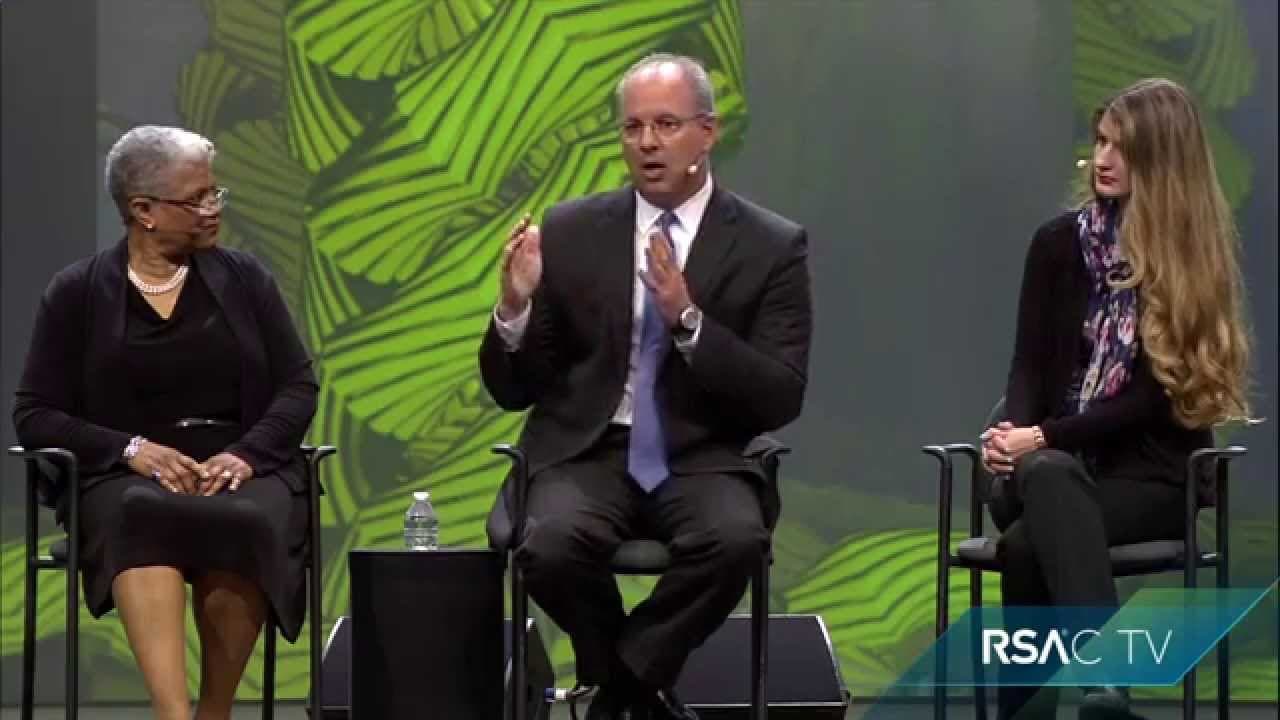
Thank you. Welcome to this panel. Uh, this panel is probably the most important panel that you'll listen to as not just information security professionals, but also as citizens and parents. The Internet has revolutionized the way we work, play, and live. We like to think of it as all goodness, but what you're gonna hear on this panel is not goodnes... Read More
Key Insights
- Constant mobile access is the new child-safety reality, because the internet-connected device may remain with a child throughout the day and night, beyond the practical reach of the old strategy of monitoring one household computer in a shared room.
- Child abuse images are digital crime scenes, and the panel avoids the term child pornography because pornography can imply voluntary modeling or consent, neither of which accurately describes sexual images involving exploited children.
- Child sexual exploitation is an interwoven process, with abusive images connecting online enticement, familial trafficking, sex tourism, and commercial sexual exploitation rather than each form of victimization existing in a separate silo.
- The prefrontal cortex is not fully mature until almost age 25, according to the panel, so children and young adults may have physically mature bodies while still lacking fully developed judgment, impulse control, and an ability to process consequences.
- Self-produced sexual images often follow a romantic request, so caregivers need to teach that sending a nude or sexually explicit picture is not a definition or proof of love, even when a child feels pressured to interpret it that way.
- Abusive images can intensify guilt, self-blame, and shame, causing children to deny that an image depicts them even when investigators know the image exists and show it directly to the identified child.
- Mirror neurons can make observed activity feel personally experienced, according to the panel, creating concern that exposure to adult sexual material may normalize depicted behavior and influence a child’s psychosocial or psychosexual expectations.
- Remote wiping can obstruct child-exploitation investigations by deleting communications from a phone used between a predator and a child, which may make it harder for law enforcement to gather evidence, identify victims, and rescue children.
Install to Summarize YouTube Videos and Get Transcripts
Explore YouTube Video Summarizer or Get YouTube Transcript Extractor
Questions & Answers
Q: How can parents protect children who use mobile phones?
Parents should recognize that monitoring a single computer in a shared family room is no longer sufficient because children may carry connected phones throughout the day and keep them near the bed at night. Caregivers should discuss online risks directly, explain that sexual images are not proof of love, and create conditions in which children can report mistakes or exploitation without being overwhelmed by added blame or shame.
Q: Why is the term child abuse images preferred?
The panel prefers child abuse images, sexual abuse images, or abusive images because the term pornography can imply voluntary modeling and the possibility of consent. Children depicted in this material are victims, and the recordings document abuse. Describing the material as digital crime scenes also emphasizes its evidentiary significance and avoids language that could incorrectly assign willingness or responsibility to the child.
Q: How are different forms of child exploitation connected?
Child exploitation is presented as an interwoven process rather than a collection of isolated categories. Online enticement, familial trafficking, sex tourism, commercial sexual exploitation, and the creation or sharing of abusive images can overlap. Images sit at the center because offenders may produce, exchange, or use them while arranging exploitation, maintaining control, or connecting with other people involved in abuse.
Q: Why are children vulnerable to poor decisions online?
Children can appear physically mature before the brain systems associated with judgment and impulse control have finished developing. The panel states that puberty has shifted earlier while the prefrontal cortex, where common sense, judgment, and impulse control occur, does not fully mature until almost age 25. Consequently, young people may create or share images without adequately processing the possible consequences.
Q: Why might a child send a sexually explicit image?
A common reason identified by the panel is a romantic request. A child may believe that sending a nude or sexually explicit picture demonstrates love, trust, or commitment. Parents and caregivers should explicitly challenge that belief and explain that producing or sharing such an image is not a definition of love. The panel also notes that adults can hold similar misconceptions, so it should not be treated solely as childish behavior.
Q: Why do exploited children often hide or deny abusive images?
The existence of an image can produce intense guilt, self-blame, and shame, which may silence a child. According to the panel, children can deny that an image shows them even when investigators already know it is online and present it directly. Their response should be understood in light of emotional distress and still-developing capacity to process consequences, rather than treated simply as unwillingness to cooperate.
Q: What help is available after a child shares an image?
The panel identifies Need Help Now, a cyber tip line associated with the Canadian Centre for Child Protection in Winnipeg, Manitoba. A young person who has shared an image and becomes frightened about what may happen can use the service to seek rapid guidance about recovering or removing it. The panel argues that the United States also needs technology and assistance of this kind.
Q: How can security tools complicate child exploitation cases?
Security capabilities can have unintended investigative consequences. If a predator entices a child, communicates through a phone, and later remotely wipes that device, law enforcement may lose communications needed as evidence. That loss can make it harder to investigate the offender, identify the child, and carry out a rescue. The panel therefore calls for informed dialogue between technical professionals and law enforcement, while acknowledging that participants may disagree about solutions.
Summary & Key Takeaways
-
Children now carry internet-connected phones throughout the day, making older advice about placing a family computer in a shared room inadequate. Four out of five American teens keep a phone in or near their bed, while 21 percent of children from kindergarten through second grade have access to one.
-
Child sexual exploitation is better understood as an interconnected process involving abusive images, online enticement, familial trafficking, sex tourism, and commercial sexual exploitation. The panel rejects language that implies children consented, describing recorded material as child abuse images or digital crime scenes rather than pornography.
-
Prevention and response require understanding children’s development, emotional barriers, and technology use. Parents should explain that sexual images are not proof of love, respond without intensifying shame, and seek removal help. Security professionals and law enforcement also need dialogue about tools such as remote wiping that can obstruct evidence collection.
Read in Other Languages (beta)
Share This Summary 📚
Summarize YouTube Videos and Get Video Transcripts with 1-Click
Try YouTube Summary with ChatGPT & Claude or YouTube Transcript Generator
Explore More Summaries from RSAC Cybersecurity 📚






Summarize YouTube Videos and Get Video Transcripts with 1-Click
Try YouTube Summary with ChatGPT & Claude or YouTube Transcript Generator