What Is the Connection Between Identity and Justice?
TL;DR
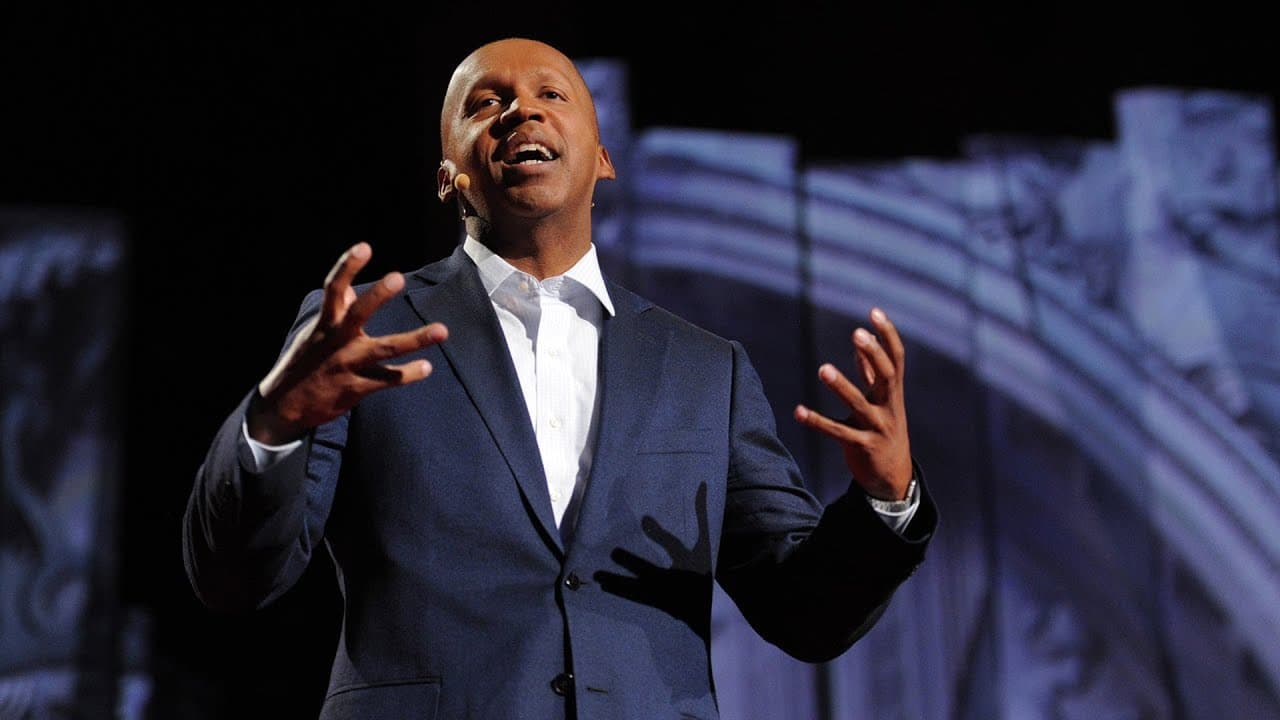
The connection between identity and justice is profound, as identity shapes how individuals engage with societal injustices. Bryan Stevenson emphasizes that a commitment to understanding our shared humanity can drive the fight against mass incarceration and inequality. He urges the need for truth and reconciliation to address the suffering and injustice faced by marginalized communities, ultimately advocating for a more compassionate society.
Transcript
[Applause] well this is a really extraordinary honor for me I spend most of my time in jails in prisons on death row I spend most of my time in very low-income communities and the projects and places where there's a great deal of hopelessness and being here at Ted and and seeing the stimulation hearing it has been very very energizing to me and one... Read More
Key Insights
- ✊ Identity has the power to shape individuals and inspire meaningful actions.
- 🥺 Mass incarceration has led to a crisis in poor communities and communities of color.
- 👨⚖️ Poverty and injustice are deeply connected, and justice is the solution to poverty.
- ❓ The TED community has an important role in addressing and discussing social issues to create a more just society.
- ❓ Truth and reconciliation are necessary for understanding and overcoming historical injustices.
- 👨⚖️ The criminal justice system disproportionately affects marginalized communities.
- 🤨 The death penalty raises questions about whether society deserves to kill.
Install to Summarize YouTube Videos and Get Transcripts
Explore YouTube Video Summarizer or Get YouTube Transcript Extractor
Questions & Answers
Q: How did Brian Stevenson's grandmother shape his understanding of identity?
Brian Stevenson's grandmother taught him the power of identity through her love and belief in his potential. She instilled in him the values of love, doing the right thing, and abstinence from alcohol.
Q: How has mass incarceration impacted poor communities and communities of color?
Mass incarceration has led to despair and hopelessness in poor communities and communities of color. With one out of three black men between 18 and 30 in jail, prison, or on probation or parole, the criminal justice system perpetuates inequality and injustice.
Q: What is the connection between poverty and justice?
In many parts of the world, the opposite of poverty is not wealth, but justice. Poverty and injustice are intertwined, as wealth and privilege often shape the outcomes of the criminal justice system. Stevenson emphasizes the need to address poverty in order to achieve true justice.
Q: What is the role of the TED community in creating a more just society?
The TED community needs to be courageous and willing to engage in difficult conversations about race, poverty, and inequality. It is essential to integrate suffering, abuse, and marginalization into discussions about innovation, technology, and creativity to create a more hopeful and equitable world.
Summary & Key Takeaways
-
Brian Stevenson reflects on the power of identity, learned from his grandmother, to instill hope and love in others.
-
He highlights the issues of mass incarceration and the disproportionate treatment of poor communities and communities of color in the criminal justice system.
-
Stevenson emphasizes the need for truth, reconciliation, and a commitment to addressing suffering, poverty, and injustice in order to create a more just society.
Read in Other Languages (beta)
Share This Summary 📚
Summarize YouTube Videos and Get Video Transcripts with 1-Click
Try YouTube Summary with ChatGPT & Claude or YouTube Transcript Generator
Explore More Summaries from TED-Ed 📚




Summarize YouTube Videos and Get Video Transcripts with 1-Click
Try YouTube Summary with ChatGPT & Claude or YouTube Transcript Generator