Why China Cannot Buy Nvidia's Blackwell Chips
TL;DR
China will not receive Nvidia’s latest Blackwell AI chips under the position stated by President Trump, despite a one-year trade truce and limited easing of other bilateral restrictions. Investors see improving interest in Chinese technology assets outside the United States, but unresolved disagreements over advanced chip access keep the geopolitical environment fragile.
Transcript
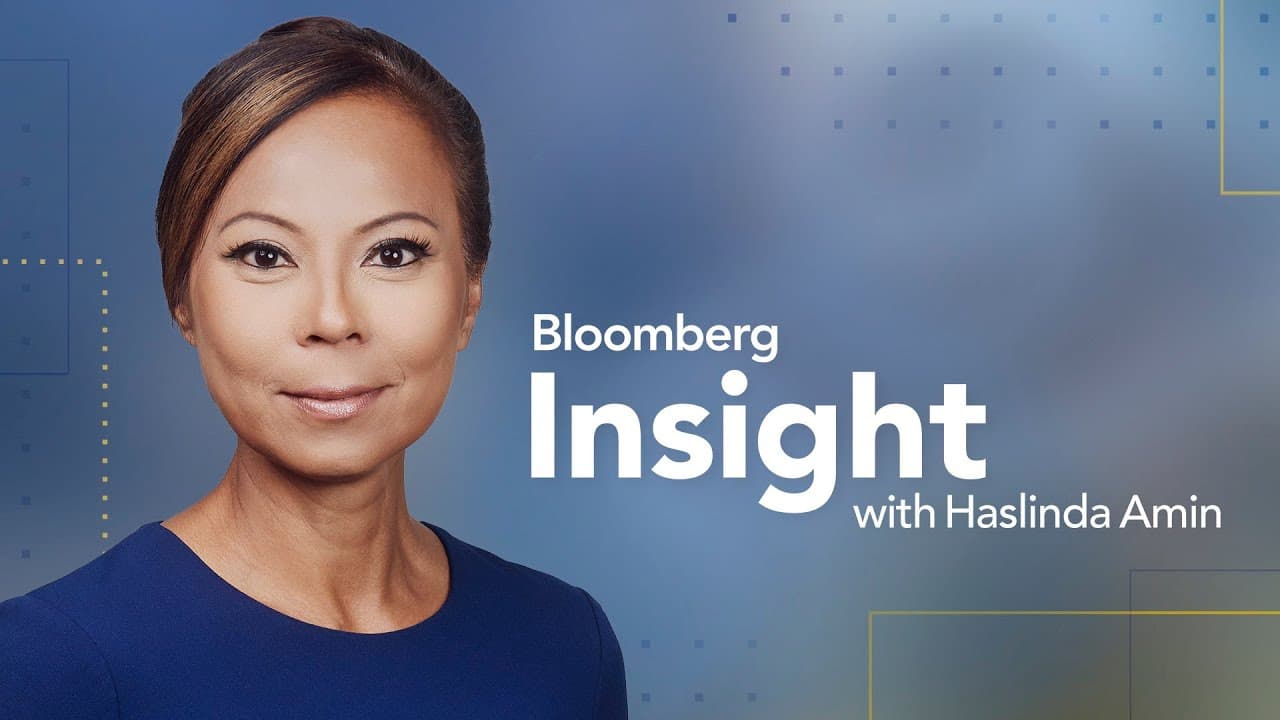
LIVE FROM SINGAPORE, THIS IS "INSIGHT" WITH HASLINDA. WE'LL DIVE DEEPER INTO STORIES THAT MATTER, PROVIDING CRUCIAL CONTEXT AND SHARP ANALYSIS. PRESIDENT TRUMP: NEW BLACKWELL THAT JUST CAME OUT, IT'S 10 YEARS AHEAD OF EVERY OTHER CHIP. CONGRATULATIONS. BUT NO, WE DON'T GIVE THAT CHIP TO OTHER PEOPLE. HASLINDA: PRESIDENT TRUMP PUTTING TO REST SPECUL... Read More
Key Insights
- President Trump’s position is that Nvidia’s latest Blackwell AI chips will not be made available to China or other parties. His statement ended immediate speculation about granting China access, even as other elements of the United States-China economic relationship showed limited signs of easing.
- The United States-China trade truce is set to last one year following a meeting between Presidents Trump and Xi in South Korea. The agreement reduced some immediate tensions, but continuing disagreement over access to advanced AI technology makes the relationship and the resulting investor confidence fragile.
- China is expected to suspend additional controls involving rare earth materials under the post-meeting arrangements described by the White House. Beijing is also terminating investigations aimed at United States companies in the semiconductor supply chain, creating selective relief alongside continued Blackwell restrictions.
- Investor interest in Chinese technology assets has improved since the previous year, according to Qiming Venture Partners’ Duane Kuang. The recovery followed a period when investors began reevaluating Chinese technology opportunities, although geopolitical concerns have not changed as much as financial sentiment.
- Fundraising interest in Chinese technology has improved more substantially outside the United States. Kuang identified other parts of Asia, the Middle East, and Europe as regions showing stronger appetite, while United States investors remained more constrained by geopolitical considerations surrounding China.
- OPEC+ approved an output increase of 137,000 barrels a day for December before deciding to pause further increases. The discussion linked this restraint to concerns about excess supply, weaker demand, Russian sanctions, China’s slowing stockpiling, and the market’s capacity to absorb additional barrels.
- China’s ability to absorb additional oil has been supported by stockpiling, but that activity is beginning to taper as inventories fill. The shift creates uncertainty for OPEC+, American producers, and shale operators because additional supply could reach a market already facing concerns about a glut.
- Gold’s short-term correction can coexist with a more bullish long-term outlook, according to the program’s market discussion. China’s removal of some retail tax incentives added pressure, while debt concerns, expected currency devaluation, central-bank demand, and portfolio hedging supported the longer-term case.
Install to Summarize YouTube Videos and Get Transcripts
Explore YouTube Video Summarizer or Get YouTube Transcript Extractor
Questions & Answers
Q: Why will China not receive Nvidia’s latest Blackwell chips?
China will not receive Nvidia’s latest Blackwell chips because President Trump said the advanced AI product would not be given to China or other parties. He described Blackwell as far ahead of competing chips and treated access as a protected technological advantage. The position leaves advanced semiconductor access unresolved despite limited easing elsewhere in the United States-China relationship.
Q: How does the Blackwell restriction affect the United States-China trade truce?
The Blackwell restriction shows that the one-year trade truce does not resolve the most sensitive technology disputes between the United States and China. The countries eased selected pressures after Presidents Trump and Xi met in South Korea, but access to advanced AI chips remains restricted. The program therefore characterizes the improvement in relations as fragile rather than comprehensive.
Q: What restrictions did the United States and China agree to ease?
The White House said China would effectively suspend the implementation of additional controls involving rare earth materials. Beijing was also terminating investigations targeting United States companies in the semiconductor supply chain. These steps followed the leaders’ agreement on a one-year trade truce, but they did not include Chinese access to Nvidia’s latest Blackwell AI chips.
Q: How is investor interest in Chinese technology changing?
Investor interest in Chinese technology assets is improving, according to Qiming Venture Partners’ Duane Kuang. He said the fundraising environment was slightly better than during the previous year after investors began reevaluating Chinese technology opportunities. However, the recovery remains uneven because financial interest has strengthened more clearly than the geopolitical conditions affecting cross-border investment decisions.
Q: Where is demand for Chinese technology investment improving most?
Demand for investment in Chinese technology companies has improved most substantially in regions outside the United States, according to Kuang. He specifically discussed traveling to other parts of Asia, the Middle East, Europe, and the United States. His assessment was that non-United States regions showed a stronger recovery in appetite, while geopolitical concerns remained a significant constraint.
Q: Why did OPEC+ decide to pause output increases?
OPEC+ decided to pause further output increases after approving a 137,000-barrel-a-day rise for December because the market faced concerns about excess supply and limited capacity to absorb more oil. The discussion also cited Russian sanctions, weaker demand, China’s tapering stockpiling, full inventories, and uncertainty about production decisions by American shale operators.
Q: How is artificial intelligence changing the energy outlook?
Artificial intelligence is increasing attention on electricity supply because data centers require substantial power. The discussion connected AI investment with United States economic growth and highlighted natural gas, renewables, and nuclear energy as important parts of the longer-term energy picture. Henry Hub natural gas was identified as especially relevant because more AI data centers are being powered by natural gas.
Q: Why can gold remain attractive despite short-term price pressure?
Gold can remain attractive because the program’s guests connected its long-term outlook to developed-economy debt, gradual currency devaluation, higher inflation, central-bank buying, and demand for portfolio hedges. Short-term pressure can still occur during market disruptions or when yields rise. China’s removal of some retail tax incentives was also described as an additional near-term setback for prices.
Summary & Key Takeaways
-
President Trump said Nvidia’s latest Blackwell chip would not be provided to China or other parties, ending speculation about potential Chinese access. The restriction remains a major point of disagreement even after the United States and China reached a one-year trade truce following talks between Trump and President Xi in South Korea.
-
The broader program connects technology restrictions with commodity and investment trends. OPEC+ approved a modest December production increase before pausing output hikes, while China’s stockpiling appeared to be tapering. Gold also faced pressure after China ended a long-standing tax rebate for some retailers, although guests described a stronger long-term backdrop.
-
Qiming Venture Partners’ Duane Kuang said fundraising conditions had improved slightly compared with the previous year as investors reassessed Chinese technology assets. Interest had strengthened more substantially in Asia outside China, the Middle East, and Europe than in the United States, where geopolitical concerns continued to affect investment appetite.
Read in Other Languages (beta)
Share This Summary 📚
Summarize YouTube Videos and Get Video Transcripts with 1-Click
Try YouTube Summary with ChatGPT & Claude or YouTube Transcript Generator
Explore More Summaries from Bloomberg Television 📚


Summarize YouTube Videos and Get Video Transcripts with 1-Click
Try YouTube Summary with ChatGPT & Claude or YouTube Transcript Generator