Banned from the Bible: How Were Books Chosen for the Christian Bible?
TL;DR
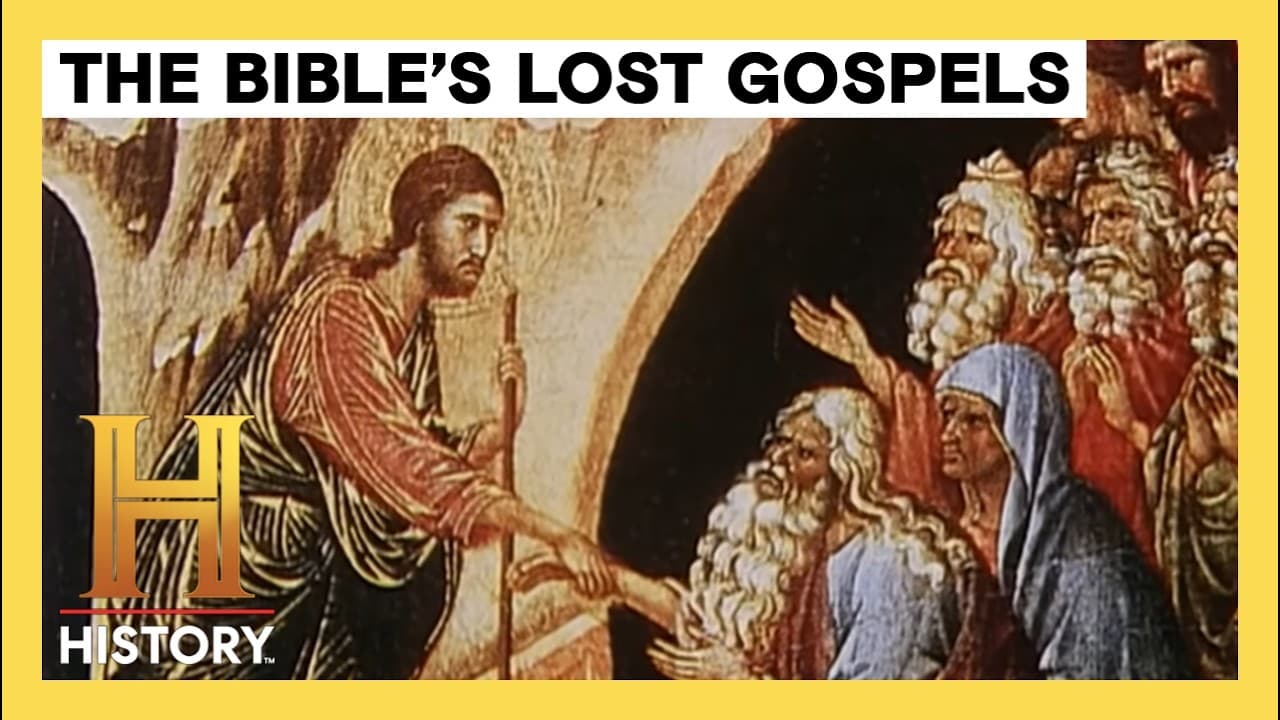
The Christian Bible took shape gradually as church leaders evaluated hundreds of writings, not through one definitive selection event. Around 150 AD, Marcion promoted a restricted collection containing an edited Gospel of Luke and Paul’s letters; later, Eusebius classified writings as accepted, disputed, or heretical, and Constantine commissioned 50 scripture copies. Read on to understand why particular texts were accepted, challenged, or excluded.
Transcript
[music playing] NARRATOR: 1,000 years before and after Jesus, a small collection of writings found their way into the sacred scriptures of Jews and Christians. To this day, this small library of ancient writings is accepted by many as the word of God. But there were hundreds of religious writings considered important at the time that were left out ... Read More
Key Insights
- The Christian canon developed from a large body of religious literature, because hundreds of writings circulated among communities while only a smaller collection eventually became sacred scripture for Jews and Christians.
- Marcion’s Bible excluded the Hebrew scriptures because he believed their God was harsh, vindictive, and legalistic, unlike the God taught by Jesus. He retained an edited version of Luke and the letters of Paul.
- Paul’s letters originally addressed particular needs in different churches. The documentary presents them as personal and occasional correspondence that later readers used as foundations for extensive theological interpretation.
- Early Christianity contained diverse communities and beliefs, including Jewish Christian, Gentile Christian, Gnostic, mystical, and legalistic approaches. Debates about proper worship and doctrine occurred alongside the broader religious diversity of the Roman Empire.
- The Council of Nicaea focused on resolving disagreement about the humanity and divinity of Jesus. Arius viewed Jesus as the highest created being, while Athanasius maintained that Jesus was both human and God.
- Constantine sought religious agreement as a means of strengthening order and unity across a diverse empire. He gathered Christian bishops at Nicaea and placed substantial pressure on them to reach one explanation of Jesus’s nature.
- Eusebius divided Christian writings into accepted, disputed, and heretical categories. The accepted group included the four Gospels, Acts, and Paul’s letters, while books such as James, Jude, and Second Peter were described as disputed.
- Constantine commissioned 50 scripture copies six years after the Council of Nicaea. Eusebius assembled them from an 18-book list in his church history, combining Hebrew scripture with Christian writings as Old and New Testaments.
Install to Summarize YouTube Videos and Get Transcripts
Explore YouTube Video Summarizer or Get YouTube Transcript Extractor
Questions & Answers
Q: How were books chosen for the Christian Bible?
The Christian canon developed gradually as church leaders evaluated writings circulating among different communities. They distinguished widely accepted works from disputed or allegedly heretical texts, considering factors such as credibility, influence, and recognition across the Christian world. Marcion’s restricted collection helped spur leaders to identify which books they believed a Christian Bible needed.
Q: Why were some gospels and other writings banned from the Bible?
Some writings were excluded because church leaders viewed them as suspicious, potentially harmful, insufficiently credible, or accepted only by particular communities. Much of the forbidden material came from Gnostic groups. The Shepherd of Hermas, for example, could be valued within one community without gaining recognition throughout the Christian world.
Q: Why did Marcion reject the Hebrew Bible?
Marcion read the Jewish Bible literally and believed it portrayed a harsh, vindictive, and legalistic God. He concluded that this was not the God taught by Jesus. His collection therefore excluded the Hebrew scriptures, which Christians call the Old Testament.
Q: What writings did Marcion include in his Bible?
Marcion included the Gospel of Luke and Paul’s letters. He edited Luke to remove every reference to the Old Testament and excluded Hebrew scripture entirely. Despite his notoriety among second-century church leaders, his collection encouraged the idea that Christianity should have a Bible of its own.
Q: Did the Council of Nicaea decide which books belonged in the Bible?
The account presents the Council of Nicaea primarily as an effort to resolve disagreement over the nature of Jesus, not as the meeting that selected every biblical book. Arius regarded Jesus as the highest created being, while Athanasius maintained that Jesus was both human and God. Eusebius produced his own list, and Constantine commissioned scripture copies from him six years later.
Q: Why did Constantine summon the Council of Nicaea?
Constantine wanted to resolve a bitter doctrinal conflict and promote order and unity across his diverse empire. He brought bishops together amid the dispute between Arius and Athanasius over whether Jesus was created or divine. The resulting Nicene Creed declared Jesus both human and divine.
Q: How did Eusebius classify early Christian writings?
Eusebius divided Christian writings into accepted, disputed, and heretical categories. His accepted texts included the four Gospels, Acts, and Paul’s letters. Second and Third John, Second Peter, James, and Jude were disputed, while the Apocalypse of John also provoked disagreement because of its violent imagery.
Q: What role did Constantine play in producing Christian Bibles?
Six years after the Council of Nicaea, Constantine instructed Eusebius to arrange 50 copies of the sacred scriptures for churches in Constantinople. He requested prepared parchment, legible writing, portable form, and professional transcribers. Eusebius used an 18-book list from his church history and combined Hebrew scripture with Christian writings as Old and New Testaments.
Summary & Key Takeaways
-
Early Christianity possessed many circulating writings but no officially recognized Bible for centuries. Around 150 AD, Marcion rejected Hebrew scripture, edited Luke to remove Old Testament references, and retained Paul’s letters. His controversial collection encouraged other Christian leaders to identify writings they considered necessary for a distinct Christian canon.
-
Constantine’s victory over Maxentius and interest in Christianity connected religious agreement with imperial unity. He summoned bishops to Nicaea amid conflict between Arius and Athanasius over whether Jesus was created or divine. The resulting Nicene Creed declared Jesus both human and divine, supporting a more unified church position.
-
Eusebius classified Christian writings according to their acceptance, dispute, or alleged heresy. His accepted works included the four Gospels, Acts, and Paul’s letters, while several books now included remained disputed. Six years after Nicaea, Constantine commissioned him to produce 50 portable scripture copies for the churches of Constantinople.
Read in Other Languages (beta)
Share This Summary 📚
Summarize YouTube Videos and Get Video Transcripts with 1-Click
Try YouTube Summary with ChatGPT & Claude or YouTube Transcript Generator
Explore More Summaries from HISTORY 📚



Summarize YouTube Videos and Get Video Transcripts with 1-Click
Try YouTube Summary with ChatGPT & Claude or YouTube Transcript Generator