John Mueller Answers SEO Questions in Google Webmaster Central Office Hours
TL;DR
John Mueller’s central advice is to make SEO decisions around a site’s goals and quality rather than follow one universal structure. He discusses topical silos for legal content, the August broad core update, Google Search Console’s recalculated link report, structured data, hreflang, temporary 503 errors, and 301 redirects for HTTP-to-HTTPS migrations. Read on for direct answers to eight practical webmaster questions.
Transcript
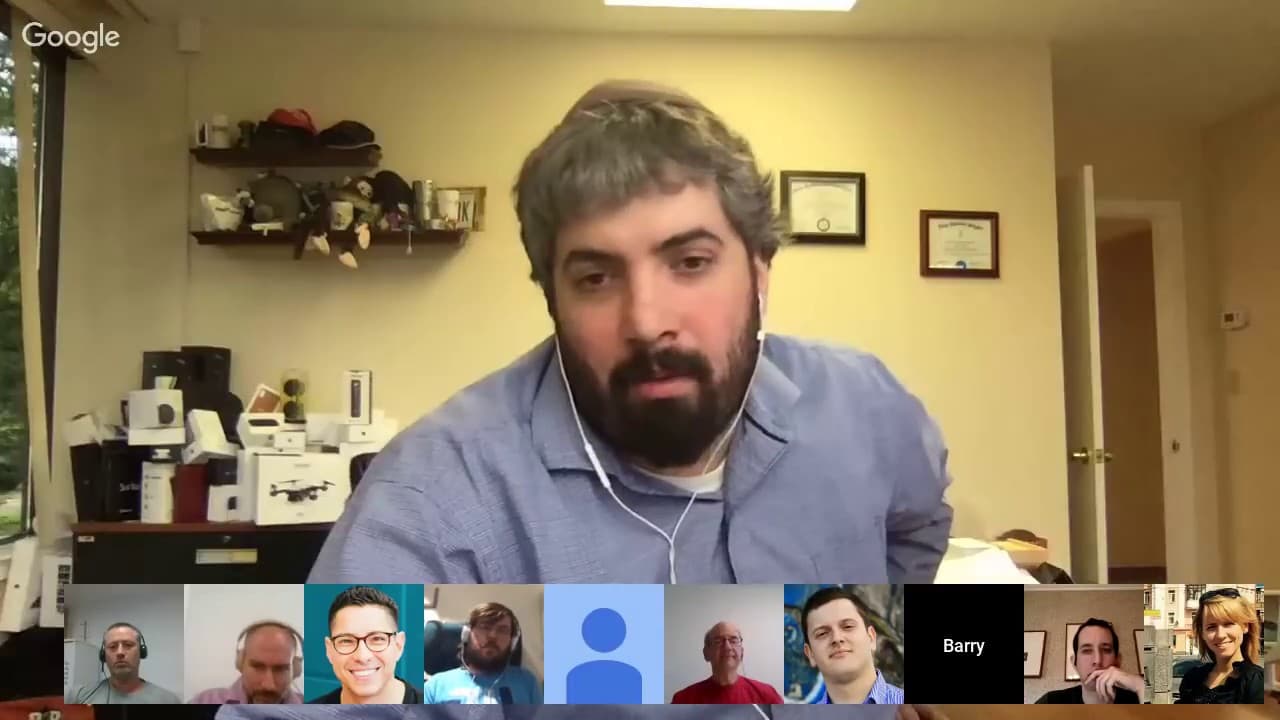
all right welcome everyone to today's Google Webmaster central office hours hangouts my name is John Mueller I know webmaster trends analyst here at Google in Switzerland and part of what we do are these office hour hangouts where people can join in and ask any questions around their website and Google search a bunch of questions were submitted alr... Read More
Key Insights
- Site architecture can be structured in various ways, such as topical silos, and experimentation is key to finding what works best for SEO.
- Google's broad core updates are algorithmic changes that can affect site rankings, and webmasters should focus on improving site quality.
- The new Google Search Console link report is more accurate due to changes in data calculation, which may show fewer links.
- Using the disavow tool in Search Console can help ignore unwanted backlinks, especially if there are concerns about negative SEO.
- Structured data like reviews and offers must be implemented correctly to appear in search results, and site quality is a factor.
- For sites targeting different regions, hreflang annotations can help indicate the correct version of content for specific users.
- Temporary server errors like 503 during planned maintenance are acceptable, but prolonged downtime should be avoided.
- Using 301 redirects is recommended for HTTP to HTTPS migrations to ensure a smooth transition and signal passing.
Install to Summarize YouTube Videos and Get Transcripts
Explore YouTube Video Summarizer or Get YouTube Transcript Extractor
Questions & Answers
Q: Should Q&A pages have a separate section in a topical silo website?
John Mueller says either structure can work, so site owners should test what performs best for their site. The choice should reflect whether the goal is to distribute useful information, gain visibility such as featured snippets, or bring visitors to the site for conversion.
Q: Does mixing short Q&A pages with long articles lower a section’s overall quality?
Mueller says he does not think mixing these pages inherently lowers the section’s quality. He describes their placement and internal linking as a strategic decision for the site owner.
Q: How should a personal injury legal website organize its content?
The discussed site uses main topics such as car accidents, slip and falls, and medical malpractice, with related subtopics beneath them. Its in-depth research articles exceed 2,000 words, while moderated attorney Q&A pages are roughly 300–400 words, but Mueller does not prescribe one required structure.
Q: How does Google handle broad core updates?
Mueller describes broad core updates as algorithmic changes that can happen at any time. They do not necessarily mean affected sites suddenly became bad; broader changes can instead be reflected in search results.
Q: Why can link totals differ in the new Google Search Console report?
The new report calculates links slightly differently from the old setup and obtains data directly from search pipelines. Mueller says differences are normal and that reported totals can move either up or down rather than necessarily reflecting a change to the website.
Q: When should the disavow tool be used?
The disavow tool can be used to tell Google to ignore unwanted backlinks. The existing guidance highlights concerns about negative SEO or questionable links created through an earlier SEO strategy.
Q: How should international sites handle similar regional content?
Use hreflang annotations to indicate which version of similar content is intended for particular users. This is especially useful when a site targets different regions with closely related pages.
Q: What redirect should be used for an HTTP-to-HTTPS migration?
A clean 301 redirect is recommended when moving from HTTP to HTTPS. It helps communicate the site transition and supports signal passing during the migration.
Summary & Key Takeaways
-
John Mueller discusses various aspects of site architecture and how different structures can impact SEO. He suggests trying out different approaches to see what works best for a particular site. The focus should be on high-quality content and strategic decisions.
-
The Google Search Console has introduced a new link report that is more accurate due to changes in data calculation. Webmasters may notice differences in the number of links reported. Mueller advises on using the disavow tool to manage unwanted backlinks.
-
Mueller addresses the impact of Google's broad core updates on site rankings, emphasizing that these changes are algorithmic. He advises webmasters to focus on improving site content and quality rather than worrying about temporary ranking changes.
Read in Other Languages (beta)
Share This Summary 📚
Summarize YouTube Videos and Get Video Transcripts with 1-Click
Try YouTube Summary with ChatGPT & Claude or YouTube Transcript Generator
Explore More Summaries from Google Search Central 📚




Summarize YouTube Videos and Get Video Transcripts with 1-Click
Try YouTube Summary with ChatGPT & Claude or YouTube Transcript Generator