What Are the Early Warning Signs of Liver Trouble?
TL;DR
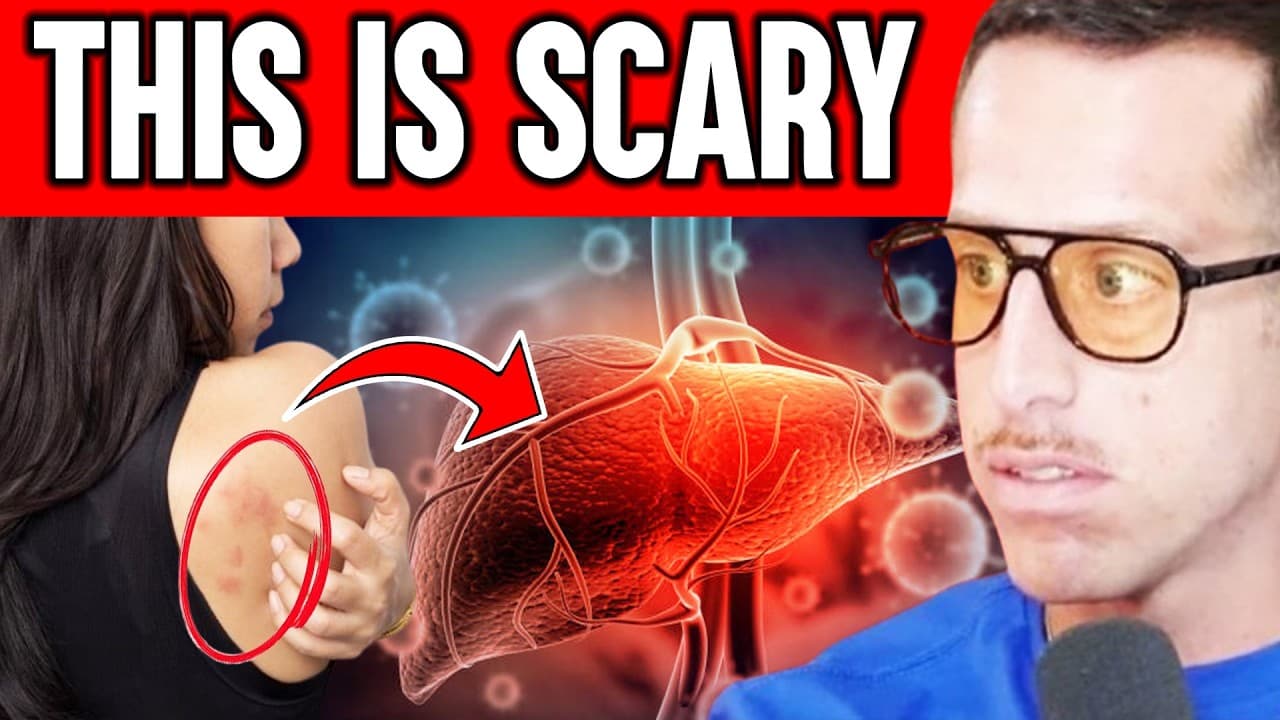
Possible warning signs of liver trouble include unexplained fatigue, stubborn belly fat, skin irritation, brain fog, digestive problems, yellowish eyes or skin, and disrupted sleep with night sweats. The transcript recommends reducing alcohol, concentrated fructose, certain oils, unnecessary over-the-counter medication use, and pesticide exposure while emphasizing protein, selected fats, bitter foods, sulfur-rich vegetables, and diluted apple cider vinegar.
Transcript
Your liver is begging for help, and these early warning signs prove it. If you ignore it, your body will start breaking down from the inside out. But if you catch it now, you could reverse the damage and start burning fat like you used to. Don't skip this. Your energy, your sleep, and your weight depend on it. Here are the seven early warning signs... Read More
Key Insights
- Unexplained fatigue is presented as a possible sign that the liver is struggling to convert stored glycogen into usable energy. The transcript says this impairment may contribute to toxin buildup and tiredness that appears after meals or unexpectedly, even following a full night of sleep.
- Persistent belly fat is linked in the transcript to a sluggish liver and insulin resistance. The proposed sequence is that impaired liver function promotes insulin resistance, the body produces more insulin, and increased insulin encourages additional fat storage despite previous attempts to reduce abdominal fat.
- Skin irritation is attributed to impaired bile flow and reduced detoxification. The transcript connects itching, rashes, breakouts, and spider veins with thick, sluggish bile, poor absorption of fat-soluble vitamins A, D, E, and K, and the body's attempt to eliminate unwanted substances through the skin.
- Brain fog and mood swings are described as possible consequences of disrupted ammonia and hormone regulation. According to the transcript, an overloaded liver may allow toxins to affect the brain, potentially contributing to impaired focus, anxiety, irritability, forgetfulness, and other subtle changes in mood or cognition.
- Digestive problems are associated with inadequate bile production and impaired fat breakdown. The transcript highlights bloating, nausea, constipation, diarrhea, loose stools, intolerance to fatty foods, and visible fatty streaks in stool as possible signs that dietary fat and nutrients are not being processed effectively.
- Yellowish eyes or skin are presented as signs of bilirubin buildup. The transcript identifies even a faint yellow tint as a warning that may precede full jaundice and describes jaundice as a serious condition, making this symptom one of the clearest red flags discussed.
- Poor sleep and night sweats are connected to the period between 2 a.m. and 4 a.m., which the transcript calls liver time in Chinese medicine. Repeated waking, restlessness, sweating, or feeling wired and tired during that window is interpreted as the liver working overtime.
- Liver support is presented as a combination of removing stressors and supplying nutritional building blocks. The transcript recommends avoiding alcohol, concentrated fructose, selected oils, excessive medication use, and pesticides while prioritizing protein, selected fats, bitter foods, sulfur-rich vegetables, citrus, and diluted apple cider vinegar.
Install to Summarize YouTube Videos and Get Transcripts
Explore YouTube Video Summarizer or Get YouTube Transcript Extractor
Questions & Answers
Q: What are the seven early warning signs of liver trouble?
The seven warning signs identified in the transcript are unexplained fatigue, belly fat that does not respond to weight-loss efforts, itching or other skin problems, brain fog and mood swings, frequent digestive trouble, yellowish eyes or skin, and poor sleep with night sweats. The digestive signs discussed include bloating, nausea, constipation, diarrhea, loose stools, difficulty tolerating fatty foods, and visible fat in stool.
Q: Why can liver trouble cause unexplained fatigue?
The transcript says the liver helps convert sugar stored as glycogen into energy. When the liver struggles with this process, energy availability may decline while toxins accumulate in the bloodstream, forcing the body to work harder. The resulting fatigue may occur even after a full night's sleep, appear after meals, or arise unexpectedly without an obvious explanation.
Q: How are skin problems connected to bile production?
The liver produces bile, while the gallbladder stores it. According to the transcript, thick or sluggish bile can interfere with dietary fat breakdown and the absorption of fat-soluble vitamins A, D, E, and K. Impaired bile flow and detoxification are then associated with itching, rashes, breakouts, spider veins, and the body's attempt to remove unwanted substances through the skin.
Q: Why might liver problems affect digestion of fatty foods?
Bile produced by the liver is described as essential for breaking down dietary fat and supporting nutrient absorption. If bile becomes thick or its flow is impaired, fat digestion slows. The transcript says this may lead to intolerance of fatty meals, bloating, nausea, constipation, diarrhea, loose stools, or visible fatty streaks in stool, while absorbed nutrients and energy production may also decline.
Q: What foods and habits does the transcript say can harm the liver?
The transcript identifies vegetable and seed oils, fish oil, excessive fructose, alcohol, overconsumption of certain over-the-counter medications, glyphosate, and pesticides as liver stressors. Named oils include canola, corn, cottonseed, sunflower, soybean, safflower, rice bran, and grapeseed oils. Concentrated fructose sources include high-fructose corn syrup, soda, fruit juice, and smoothies, with excess fruit also described as potentially problematic when the liver is struggling.
Q: Which fats does the transcript recommend for liver support?
The transcript recommends replacing the listed vegetable and seed oils with saturated and monounsaturated fats. Suggested saturated-fat sources are coconut oil, butter, ghee, beef tallow, duck fat, and lard from a healthy source. Olive oil and avocado oil are the recommended monounsaturated options, particularly for salad dressings and dips. These choices are presented as ways to lower inflammation and support fat burning.
Q: Which protein and plant foods are recommended for liver support?
Recommended protein sources include high-quality bone broth, collagen, eggs with the yolk, and grass-fed beef. The transcript says these foods supply amino acids such as glycine, taurine, methionine, and leucine. Suggested bitter or sulfur-rich foods include arugula, milk thistle, ginger, lemons, limes, radishes, radicchio, onions, garlic, broccoli, Brussels sprouts, and cauliflower, along with organic coffee tested for contaminants.
Q: How does the transcript recommend supporting bile flow?
The transcript recommends bitter foods, sulfur-rich foods, citrus, and apple cider vinegar to support bile production or flow. It suggests squeezing lemon or lime into water or over a protein source and consuming foods such as arugula, ginger, radishes, radicchio, onions, garlic, and cruciferous vegetables. It also proposes diluting about one to two tablespoons of apple cider vinegar, which is described as a bitter containing acetic acid.
Summary & Key Takeaways
-
The transcript identifies seven possible warning signs of liver trouble: unexplained fatigue, persistent belly fat, itching or other skin problems, brain fog and mood changes, digestive difficulties, yellowish eyes or skin, and poor sleep with night sweats. These symptoms are linked primarily to impaired energy regulation, detoxification, and bile production.
-
Several dietary and environmental factors are presented as potential sources of liver stress. The list includes vegetable and seed oils, fish oil, excessive fructose, alcohol, overconsumption of certain over-the-counter medications, glyphosate, and pesticides. Fruit juice, smoothies, high-fructose corn syrup, nonorganic corn, soy, wheat, and coffee receive particular attention.
-
The proposed support plan replaces selected oils with saturated or monounsaturated fats, prioritizes protein, and adds bitter and sulfur-rich foods. Suggested choices include bone broth, collagen, eggs, beef, arugula, ginger, citrus, radishes, onions, garlic, broccoli, Brussels sprouts, cauliflower, organic coffee, and diluted apple cider vinegar.
Read in Other Languages (beta)
Share This Summary 📚
Summarize YouTube Videos and Get Video Transcripts with 1-Click
Try YouTube Summary with ChatGPT & Claude or YouTube Transcript Generator
Explore More Summaries from Ben Azadi 📚


Summarize YouTube Videos and Get Video Transcripts with 1-Click
Try YouTube Summary with ChatGPT & Claude or YouTube Transcript Generator