Why Axonius Won Innovation Sandbox 2019
TL;DR
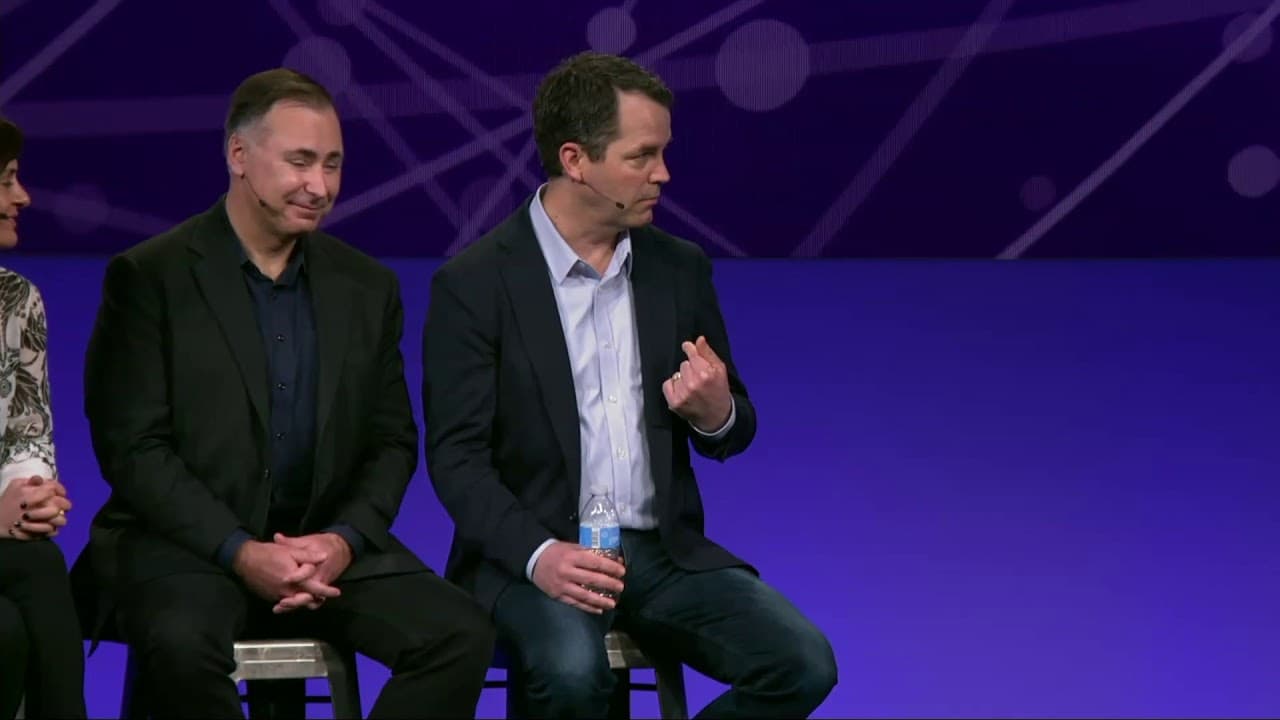
Axonius won the 2019 Innovation Sandbox after judges highlighted its approach to a persistent security problem: determining what servers, virtual machines, and endpoint devices an organization has and which controls cover them. Duality also reached the final two, earning praise for enabling privacy-protecting analysis in healthcare and financial services while protecting sensitive data and proprietary models.
Transcript
Please welcome back Dr. Hugh Thompson. Great. Wow. Welcome back. Welcome back, everybody. Welcome back to our esteemed judging panel. You guys look fairly healthy- Exactly ... uh, after. No blood was shed, it seems like. Close. Or was it? We have band-aids. We have band-aids. Or just hiding it? Limps? Hiding. Okay. All right. Well, I heard, uh, it ... Read More
Key Insights
- Axonius won the 2019 Innovation Sandbox after advancing from a field of ten finalists and reaching the final two alongside Duality. The judges described the decision process as contentious, reflecting the strength and diversity of the companies under consideration.
- Axonius addresses the foundational security problem of asset visibility. Large organizations can struggle to determine how many servers, virtual machines, and endpoint devices they operate, as well as which assets fall within the coverage of particular security controls.
- Accurate asset information is essential for prioritizing security work. One judge explained that chief information security officers face an effectively infinite attack surface, making it necessary to understand and fix fundamental infrastructure issues before concentrating on advanced threats, zero-days, or other specialized attack scenarios.
- Axonius works by pulling together existing security and infrastructure investments. The judges valued this approach because it offered the potential to solve the asset-management problem without requiring another set of agents to be deployed throughout an organization’s environment.
- Duality supports privacy-protecting analysis of sensitive information. A judge with experience in healthcare and financial services described such analysis as especially important where organizations want to use valuable data but face serious privacy, access, and intellectual-property constraints.
- Healthcare organizations can benefit from protected analysis because insurers, providers, and pharmaceutical companies may need to work with valuable health information while preserving privacy. The panel noted that gaining access to this data can be extremely difficult and that successful technology could make a meaningful difference.
- Financial services organizations need to protect both private data and proprietary analytical models. The judges cited credit-pricing models as an example of intellectual property that must remain protected while organizations pursue business activities that may otherwise be prevented by privacy or confidentiality concerns.
- The judging process considered both immediate usefulness and future significance. Judges brought different perspectives, including experience as chief information security officers, and used those viewpoints to evaluate what makes a successful company and which technologies could remain meaningful over time.
Install to Summarize YouTube Videos and Get Transcripts
Explore YouTube Video Summarizer or Get YouTube Transcript Extractor
Questions & Answers
Q: Why did Axonius win Innovation Sandbox 2019?
Axonius won because its technology addressed a basic but unresolved security challenge: organizations often cannot obtain a clear inventory of their servers, virtual machines, endpoint devices, and corresponding security coverage. Judges believed its approach could pull existing security and infrastructure investments together, potentially solving this long-standing problem without requiring the deployment of additional agents.
Q: What security problem does Axonius address?
Axonius addresses the difficulty of knowing exactly which technology assets exist inside a large organization and how those assets are covered. The panel specifically mentioned servers, virtual machines, endpoint devices, and questions about security scope. Without straightforward answers, chief information security officers have trouble establishing priorities and ensuring that foundational infrastructure problems receive attention.
Q: How does Axonius use existing security investments?
Axonius was described as pulling together an organization’s existing security and infrastructure investments. The judges considered this valuable because the approach could provide a unified answer to asset and coverage questions without adding more agents to the environment. That distinction helped the company stand out as a practical response to a problem security leaders have faced for decades.
Q: Why is asset visibility important for security leaders?
Asset visibility is important because security leaders need to know what infrastructure exists before they can determine what is protected and what requires remediation. One judge explained that every initiative competes for priority across an effectively infinite attack surface. Reliable information about servers, virtual machines, endpoints, and coverage helps leaders return to basic infrastructure needs before pursuing advanced threats.
Q: What does Duality's technology aim to enable?
Duality’s technology aims to enable analysis while protecting privacy. The judges saw value in situations where organizations need to work with sensitive data but cannot expose it freely. They highlighted healthcare and financial services as two major areas where protected analysis could enable activities that privacy concerns, access restrictions, or intellectual-property risks had previously made very difficult.
Q: How could Duality help healthcare organizations?
Duality could help healthcare organizations analyze sensitive information while protecting privacy. A judge described experience at a large health maintenance organization operating as both an insurer and a provider, where pharmaceutical companies wanted access to valuable data. Because granting that access was extremely difficult, technology that protects information during analysis could support useful collaboration while addressing privacy concerns.
Q: Why could financial services benefit from Duality?
Financial services organizations need to protect two important categories: private data and proprietary analytical models. The panel cited models used for credit pricing as an example of intellectual property. Technology that safeguards both the underlying information and the models could allow organizations to pursue business activities that would otherwise be restricted by confidentiality, privacy, or competitive concerns.
Q: How did the judges evaluate the Innovation Sandbox finalists?
The judges evaluated a diverse group of companies through different professional perspectives, including the viewpoint of chief information security officers. Their discussion considered what makes a company successful, which offerings are useful in the present, and which could remain meaningful in the future. The deliberations were described as contentious, and Axonius and Duality ultimately became the final two.
Summary & Key Takeaways
-
Axonius and Duality emerged as the top two finalists from a group of ten companies. The judges described their deliberations as contentious and emphasized that their different professional perspectives helped them assess each company’s current value, future relevance, market opportunity, and potential to address important security and business problems.
-
Duality impressed the panel with technology intended to support privacy-protecting analysis. A judge identified healthcare and financial services as two large potential markets, explaining that organizations need ways to analyze sensitive information while protecting patient or customer data and, in financial services, proprietary models used for activities such as credit pricing.
-
Axonius resonated with judges because organizations often lack reliable answers about their servers, virtual machines, endpoint devices, and security coverage. Its approach was praised for addressing this long-standing foundational problem by pulling together existing security and infrastructure investments instead of requiring organizations to deploy additional agents. The judges selected Axonius as the winner.
Read in Other Languages (beta)
Share This Summary 📚
Summarize YouTube Videos and Get Video Transcripts with 1-Click
Try YouTube Summary with ChatGPT & Claude or YouTube Transcript Generator
Explore More Summaries from RSAC Cybersecurity 📚



Summarize YouTube Videos and Get Video Transcripts with 1-Click
Try YouTube Summary with ChatGPT & Claude or YouTube Transcript Generator